|
Pan American Experiences
|
------- |

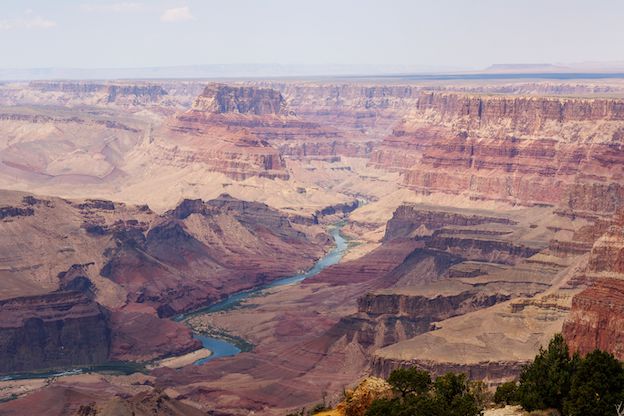
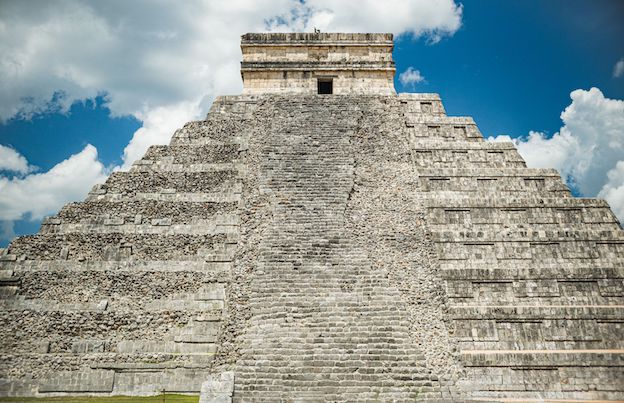
Image: Igor Passchier / Pexels
A Lost History Tour: Revisiting the Removed Monuments and Post-Trump Cultural Spaces in the U.S.
|
UNITED STATES ------------------------------------------1344[EXPERIENCE] | |||
Grand Canyon National Park, United StatesA Location Guide for Documentary Filmmakers, Photographers, Influencers and StorytellersBy Heydi Bernal for Ruta Pantera on 7/31/2026 4:17:05 AM |
||||
| Few places on Earth inspire storytellers quite like the Grand Canyon. Stretching across northern Arizona for 446 kilometers (277 miles), carved over millions of years by the Colorado River, this immense landscape is far more than one of America's most famous tourist attractions. It is a geological archive, a sacred homeland for Native American tribes, a UNESCO World Heritage Site, and one of the world's greatest outdoor studios for photography, filmmaking and visual storytelling.
Every year nearly five million visitors stand along its rim, yet remarkably few venture beyond the popular viewpoints to discover the extraordinary diversity hidden within its cliffs, forests, rivers and desert plateaus. At sunrise the canyon glows with deep reds and brilliant oranges before gradually revealing thousands of layers of ancient rock. By sunset, shadows transform the landscape into an ever-changing canvas where no two evenings ever look the same. For documentary filmmakers, photographers and content creators, the Grand Canyon offers almost unlimited creative possibilities. Wildlife documentaries, travel programs, geological studies, outdoor adventure films, landscape photography, drone alternatives, astrophotography, cultural documentaries and conservation stories all find a natural home here. But because this is one of the United States' most carefully protected national parks, creators must understand the regulations governing commercial filming, photography, drone operations and environmental protection before arriving. Fortunately, with proper planning, the Grand Canyon rewards creators with some of the most spectacular natural imagery anywhere in the world. Getting There Most international travelers reach the Grand Canyon through Las Vegas, Nevada, located approximately 450 kilometers (280 miles) from the South Rim, or Phoenix, Arizona, about 370 kilometers (230 miles) away. Both cities offer extensive domestic and international flight connections, rental vehicles and guided tours. For independent filmmakers carrying cameras, lenses and production equipment, the most practical gateway is Flagstaff, located only 130 kilometers (80 miles) south of the park. Flagstaff Regional Airport receives connecting flights from Phoenix, while Interstate 40 provides convenient road access for larger production crews transporting lighting, camera gear and support vehicles. Visitors seeking a more historic arrival can board the Grand Canyon Railway from Williams, Arizona. Operating since 1901, the restored railway offers one of America's classic scenic train journeys, delivering passengers directly to the South Rim while providing unique opportunities for travel documentaries and historical storytelling before even entering the park. Unlike many national parks, the Grand Canyon is divided into several distinct areas. The South Rim remains open throughout the year and receives nearly 90 percent of all visitors thanks to its accessibility, extensive visitor services and iconic viewpoints. The North Rim, sitting approximately 300 meters (1,000 feet) higher in elevation, receives far fewer visitors and offers a quieter, more remote filming environment. However, heavy snowfall forces the North Rim to close each winter, generally from mid-October until mid-May. Climate and Filming Conditions One of the Grand Canyon's greatest advantages for filmmakers is the incredible variety of weather and lighting conditions available throughout the year. Elevation changes of more than 2,000 meters (6,500 feet) create dramatically different climates within the park itself. While snow may blanket the rim during winter mornings, temperatures near the Colorado River can remain surprisingly warm. Spring and autumn are generally considered the ideal seasons for photography and documentary production. Daytime temperatures along the South Rim usually range between 10°C and 24°C (50°F–75°F), skies are often clear, and visitor numbers are lower than during the busy summer months. Wildflowers bloom across the high desert in spring, while autumn brings golden aspens and crisp mountain air. Summer provides the longest daylight hours and exceptional visibility, but also presents challenges. Temperatures on the canyon floor frequently exceed 40°C (104°F), while afternoon thunderstorms during the North American monsoon season can produce dramatic lightning, heavy rain and sudden flash floods. For filmmakers, these rapidly changing weather conditions can create spectacular footage—but also demand careful planning and constant attention to safety. Sunrise and sunset remain the two most valuable periods of the day. During these brief windows, sunlight strikes the canyon walls at low angles, revealing textures, colors and shadows that disappear under the harsher midday sun. Many professional landscape photographers begin hiking well before dawn to position themselves at overlooks such as Mather Point or Yavapai Point, where the first rays of sunlight slowly illuminate nearly two billion years of geological history. What Will You See? The Grand Canyon is much more than a massive canyon carved by the Colorado River. It is one of the most complete geological records on Earth, exposing nearly two billion years of the planet's history through colorful layers of limestone, sandstone, shale, granite, and schist. Every overlook reveals a different perspective, and changing light conditions can dramatically transform the landscape within minutes, making it an extraordinary destination for filmmakers and photographers seeking dynamic natural imagery. The Colorado River, which continues to shape the canyon today, winds for approximately 446 kilometers (277 miles) through the national park. From the rim, the river often appears calm and distant, but closer inspection reveals powerful whitewater rapids that attract rafting expeditions from around the world. These contrasting perspectives—from panoramic overlooks to intimate riverside scenes—allow creators to capture a remarkable variety of visual stories within a single destination. The canyon is equally impressive for wildlife filming. California condors, among the largest flying birds in North America, frequently soar along the cliffs, while mule deer, elk, bighorn sheep, coyotes, ravens, and numerous reptiles inhabit the surrounding forests and desert plateaus. During spring and summer, colorful wildflowers bloom across higher elevations, while pine forests gradually transition into desert vegetation as the terrain descends toward the river. Nighttime offers another entirely different experience. Designated as an International Dark Sky Park, the Grand Canyon provides exceptional conditions for astrophotography and time-lapse filmmaking. On clear nights, the Milky Way stretches across the canyon with remarkable clarity, making it one of the finest locations in the United States for capturing the night sky. Perhaps the canyon's greatest strength as a storytelling location is its constantly changing character. Morning fog, afternoon storms, golden sunsets, winter snowfall, and seasonal vegetation ensure that no two visits ever produce the same images. Every hour presents new opportunities for visual storytelling. The Best Places to Film The South Rim serves as the primary filming location for most creators, offering year-round access and a wide variety of iconic viewpoints. Among them, Mather Point remains one of the park's most photographed locations. Its elevated position provides sweeping panoramic views across multiple layers of the canyon and is particularly spectacular at sunrise, when the first light gradually illuminates the cliffs below. A short distance away, Yavapai Point offers one of the clearest views of the Colorado River and the canyon's complex geological formations. Educational exhibits at the nearby geology museum help filmmakers understand the immense timescales represented by the exposed rock layers, adding valuable context to documentary productions. For those seeking dramatic compositions, Desert View Watchtower combines breathtaking scenery with cultural history. Designed in 1932 by architect Mary Colter, the stone tower incorporates architectural elements inspired by ancestral Puebloan structures and overlooks one of the widest sections of the canyon. From its upper observation deck, creators can capture expansive views stretching toward the Painted Desert. Farther east, Lipan Point is widely regarded by professional photographers as one of the park's finest sunrise locations. Its unobstructed views reveal deep canyon walls and multiple bends in the Colorado River, producing images that differ significantly from the more frequently photographed western viewpoints. Those willing to hike can access even more dramatic perspectives. The South Kaibab Trail descends along exposed ridgelines, providing uninterrupted panoramic views almost immediately after leaving the rim. Bright Angel Trail, one of the park's oldest routes, offers opportunities to document changing ecosystems as it winds from pine forests into the desert environment near the river. For creators looking to avoid crowds, the North Rim presents an entirely different atmosphere. Receiving only a small fraction of the visitors who explore the South Rim each year, it offers quieter landscapes, denser forests, and elevated viewpoints that provide fresh visual perspectives rarely seen in mainstream travel content. Although its operating season is shorter due to heavy winter snowfall, many professional photographers consider the North Rim one of the Grand Canyon's hidden treasures. Together, these locations allow filmmakers to capture everything from sweeping aerial-style panoramas—without the use of drones—to intimate wildlife encounters, geological close-ups, historical architecture, and some of the most spectacular sunrise and sunset sequences found anywhere in North America. |
||||
|
Wildlife and Plant Life
Although most visitors come for the spectacular scenery, the Grand Canyon is also one of the most biologically diverse landscapes in the American Southwest. More than 1,700 plant species, nearly 450 bird species, 90 mammal species, 50 reptile species, and hundreds of insects thrive within the park's boundaries. This remarkable biodiversity is possible because the canyon contains multiple ecosystems compressed into a single landscape. Traveling from the rim to the Colorado River is like journeying from the forests of Canada to the deserts of northern Mexico. The South Rim is dominated by ponderosa pine forests, pinyon pines, junipers, and Gambel oak, while lower elevations transition into desert shrubs, cacti, and hardy plants adapted to extreme heat and limited rainfall. During spring, colorful wildflowers bloom across meadows and rocky slopes, adding unexpected bursts of color to the canyon's familiar red and orange landscape. Wildlife photographers often arrive hoping to capture one of the park's most celebrated conservation success stories: the California condor. With a wingspan approaching three meters (9.5 feet), it is the largest flying bird in North America. Once on the brink of extinction, the species has slowly recovered through intensive conservation efforts, and the Grand Canyon is now one of the best places in the world to observe these magnificent birds soaring above the cliffs. Other frequently observed mammals include elk, mule deer, desert bighorn sheep, coyotes, gray foxes, bobcats, and numerous smaller mammals such as rock squirrels and chipmunks. Mountain lions also inhabit the park, although they are rarely seen. Along the Colorado River, visitors may encounter beavers, while the canyon's cliffs provide nesting sites for peregrine falcons, golden eagles, ravens, and dozens of other bird species. For documentary filmmakers, patience is often rewarded. Early morning and late afternoon provide the best opportunities for wildlife filming, when animals are more active and the soft light enhances both landscapes and close-up photography. Native Communities and Cultural Heritage Long before the Grand Canyon became a national park or one of the world's most recognizable natural landmarks, it was home to Indigenous peoples whose histories extend back thousands of years. Archaeological evidence indicates that humans have lived in and around the canyon for at least 12,000 years, leaving behind rock art, ancient dwellings, ceremonial sites, and trade routes that remain visible today. Today, eleven federally recognized Native American tribes maintain cultural connections to the Grand Canyon. Among the most prominent are the Havasupai, Hopi, Navajo, Hualapai, Paiute, Zuni, and several Apache tribes. For many of these communities, the canyon is not simply a scenic destination but a sacred landscape deeply connected to their spiritual beliefs, traditions, and identity. The Havasupai people, whose name means "People of the Blue-Green Waters," have lived within the canyon for centuries and continue to reside in Supai Village, one of the most remote communities in the United States. Accessible only by hiking, horseback, or helicopter, the village serves as the gateway to the world-famous turquoise waterfalls of Havasu Creek. The Hopi regard the Grand Canyon as the place from which their ancestors emerged into the present world, while the Navajo Nation borders much of the park's eastern boundary and continues to preserve a rich cultural heritage throughout the region. For storytellers, these living cultures add a profound human dimension to the landscape. However, visitors should remember that many archaeological sites, ceremonial locations, and culturally significant areas are protected. Filming or photographing tribal lands outside the national park often requires separate permission from the respective tribal governments, and respectful engagement with local communities is essential. Understanding the canyon's Indigenous heritage allows filmmakers to move beyond spectacular scenery and tell more meaningful stories about the people who have called this extraordinary landscape home for countless generations. Why the Grand Canyon Matters The Grand Canyon is far more than one of America's most famous tourist destinations. It is one of the world's greatest natural laboratories, offering scientists an unparalleled window into nearly two billion years of Earth's geological history. Every layer of exposed rock tells the story of ancient oceans, deserts, volcanic activity, shifting continents, and the relentless power of erosion that continues to shape the landscape today. Recognized as a UNESCO World Heritage Site since 1979, the park protects more than 4,900 square kilometers (1.2 million acres) of canyons, forests, rivers, and desert ecosystems. Each year, nearly five million visitors from around the globe come to experience its breathtaking scenery, making it one of the most visited national parks in the United States. Yet the Grand Canyon is much more than a destination for sightseeing. It is a place where geology, ecology, archaeology, Indigenous culture, outdoor recreation, conservation, and scientific research converge. Issues such as water management, climate change, tourism, biodiversity, and the preservation of sacred Indigenous lands continue to shape important national conversations about the future of protected landscapes. For filmmakers, photographers, journalists, and storytellers, the Grand Canyon offers something increasingly rare in today's world: a location where extraordinary natural beauty is inseparable from equally compelling stories of science, history, culture, and conservation. Every image captured here has the potential to reveal not only one of the planet's greatest landscapes but also humanity's ongoing relationship with the natural world. Filming Permits, Logistics and Practical Information Filming Permits The Grand Canyon welcomes millions of visitors each year who photograph and record personal videos throughout the park. If your trip is intended for vacation memories, social media posts, or non-commercial content created with standard cameras or smartphones, you generally do not need a special filming permit. However, professional productions require additional planning. Documentaries, television programs, feature films, advertising campaigns, commercial photography, and productions involving large crews or specialized equipment may require authorization from the National Park Service (NPS). Before traveling, production companies should contact park officials to explain the nature of the project, filming dates, crew size, equipment, and intended filming locations. Commercial productions must also comply with environmental regulations designed to protect wildlife, minimize visitor disruption, and preserve sensitive natural and cultural resources. Depending on the scope of the project, filmmakers may need liability insurance, location approvals, or additional coordination with park management. Creators planning to work outside the National Park on neighboring tribal lands should remember that separate permits may also be required from the respective tribal governments. Permission granted by the National Park Service does not automatically authorize filming within Navajo Nation, Havasupai Reservation, Hualapai Reservation, or other Indigenous territories. For international creators, contacting the park several weeks before arrival is strongly recommended. Regulations can change, and confirming current requirements in advance helps avoid unexpected delays once on location. Drone Operations Many first-time visitors are surprised to learn that recreational and commercial drone flights are prohibited throughout Grand Canyon National Park. Since 2014, the National Park Service has banned the launching, landing, or operation of unmanned aircraft within all National Park boundaries unless specific written authorization has been granted for official purposes such as scientific research, search-and-rescue missions, wildfire management, or other government operations. The restriction exists for several reasons. Drones can disturb nesting birds, particularly endangered California condors, interfere with search-and-rescue helicopters, disrupt the natural soundscape that visitors travel long distances to experience, and create safety hazards in one of the world's busiest air-tourism corridors. Violating these regulations may result in significant fines, confiscation of equipment, removal from the park, and, in some cases, criminal penalties. Fortunately, the lack of drone access rarely limits creative storytelling. Numerous overlooks throughout both the South Rim and North Rim provide elevated panoramic views that closely resemble aerial perspectives. Helicopter tours operating outside National Park regulations also offer legal opportunities to capture dramatic aerial footage through authorized commercial operators. What Is Allowed Content creators are generally welcome to enjoy the park while respecting both the environment and fellow visitors. Activities typically permitted include: Photographing landscapes, wildlife, hiking trails, and scenic overlooks for personal use. Recording travel videos using handheld cameras, smartphones, GoPros, or similar equipment. Using tripods, monopods, filters, and portable camera accessories in most public areas, provided they do not block trails or viewpoints. Conducting interviews with traveling companions or recording personal travel experiences. Filming along established roads, overlooks, visitor areas, and authorized hiking trails. Park rangers encourage visitors to Leave No Trace, remain on designated paths, and respect wildlife by observing animals from a safe distance without attempting to attract or feed them. What Is Not Allowed To protect one of America's most treasured landscapes, several activities are strictly prohibited or carefully regulated. Visitors should never operate drones within park boundaries, enter closed or environmentally sensitive areas, disturb wildlife, remove rocks, plants, fossils, or archaeological artifacts, light fires outside designated areas, or leave trash anywhere in the park. Commercial productions should not set up large lighting systems, props, stages, or filming equipment without prior authorization when permits are required. Likewise, creators should avoid obstructing trails, roads, overlooks, or visitor facilities while filming. Special care should also be taken around archaeological sites and culturally significant locations. Many ancient structures and sacred places are protected by federal law, and damaging or removing artifacts carries severe legal consequences. The Grand Canyon has remained one of the world's great natural wonders because generations of visitors have respected these protections. Responsible storytelling ensures future creators will continue to enjoy the same extraordinary opportunities. |
||||
 Add this article to your favorites
[FOR MEMBERS ONLY]
Add this article to your favorites
[FOR MEMBERS ONLY]
Copy this link to send this article to a friend: [FOR MEMBERS ONLY] |
||||

|
|
||||
|---|---|---|---|---|
| |
|
|
|
|
×
|
||||
|
References: National Park Service. (n.d.). Grand Canyon National Park. U.S. Department of the Interior. https://www.nps.gov/grca/ UNESCO World Heritage Centre. (n.d.). Grand Canyon National Park. https://whc.unesco.org/en/list/75/ National Park Service. (n.d.). Commercial filming and still photography. U.S. Department of the Interior. https://www.nps.gov/aboutus/news/commercial-film-and-photo-permits.htm Federal Aviation Administration. (n.d.). Recreational flyer and drone resources. https://www.faa.gov/uas National Park Service. (n.d.). Leave No Trace. U.S. Department of the Interior. https://www.nps.gov/articles/leave-no-trace-seven-principles.htm National Park Service. (n.d.). Grand Canyon wildlife. U.S. Department of the Interior. https://www.nps.gov/grca/learn/nature/ National Park Service. (n.d.). Grand Canyon geology. U.S. Department of the Interior. https://www.nps.gov/grca/learn/nature/geology.htm National Park Service. (n.d.). Grand Canyon history and culture. U.S. Department of the Interior. https://www.nps.gov/grca/learn/historyculture/ National Park Service. (n.d.). Night skies at Grand Canyon National Park. U.S. Department of the Interior. https://www.nps.gov/grca/learn/nature/night-skies.htm Grand Canyon Conservancy. (n.d.). Grand Canyon Conservancy. https://www.grandcanyon.org/ Grand Canyon Railway & Hotel. (n.d.). Grand Canyon Railway. https://www.thetrain.com/ Havasupai Tribe. (n.d.). Official website. https://theofficialhavasupaitribe.com/ Navajo Nation. (n.d.). Official website. https://www.navajo-nsn.gov/ Visit Arizona. (n.d.). Grand Canyon National Park. https://www.visitarizona.com/places/parks-monuments/grand-canyon-national-park/ International Dark-Sky Association. (n.d.). International Dark Sky Places. https://darksky.org/places/ |
||||
Please leave a comment about this article: 1344 |
|
| Enter your email address: |
Your email will not be displayed. |
| Your nickname: | |
| Your comment: | |
| Was this article helpful to you? | |
|
|
|
Articles about exciting travel experiences in our hemisphere.
Cape Froward, Chile
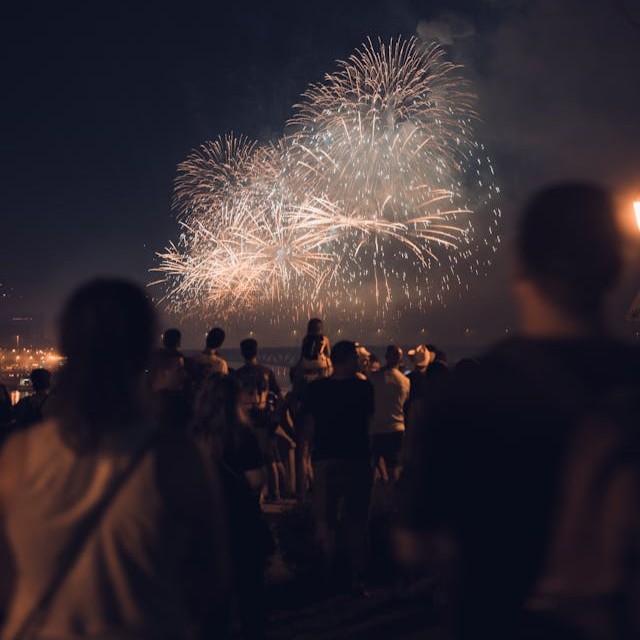

Welcome to the World’s Largest New Year’s Celebration
For those traveling from North, Central, or South America, New Year's Eve in Rio offers a rich narrative about how a city can transform a universal holiday into a unique celebration, rooted in local traditions and open to the world.







|
Experiences Finder
(Search our catalog of Experiences here.) |
|---|