|
Pan American Experiences
|
------- |

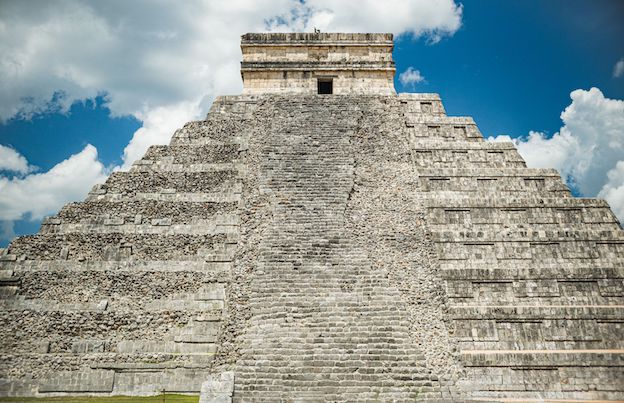
Image: Vintage Lenses / Pexels
The Original Piñata: The Clay Legacy That Survived the Centuries
|
MEXICO ------------------------------------------1358[EXPERIENCE] | |||
The Mayan Sites of Yucatán, MexicoA Location Guide for Documentary Filmmakers, Photographers, Influencers and StorytellersBy Heydi Bernal for Ruta Pantera on 7/31/2026 4:17:05 AM |
||||
| Few civilizations have captured the imagination of historians, archaeologists, and storytellers as profoundly as the Maya. Long before the arrival of Europeans in the Americas, the Maya built one of the world's most sophisticated civilizations, developing advanced astronomy, mathematics, architecture, engineering, and writing systems while constructing magnificent cities that continue to astonish visitors today. Hidden among tropical forests and limestone plains across Mexico's Yucatán Peninsula, these ancient ceremonial centers provide extraordinary opportunities for documentary filmmaking, photography, educational content, and cultural storytelling.
Each year, millions of visitors explore iconic archaeological sites such as Chichén Itzá, Uxmal, Ek Balam, Cobá, and Mayapán, yet every location offers a distinctly different perspective on Maya civilization. Towering pyramids emerge above the jungle canopy, intricate stone carvings preserve centuries of history, and ancient observatories reveal how Maya astronomers accurately tracked celestial movements long before the invention of modern telescopes. Together, these remarkable sites form one of the most important archaeological regions in the Western Hemisphere. For filmmakers and photographers, the Yucatán Peninsula presents an exceptional combination of history, architecture, culture, nature, and living traditions. However, unlike many outdoor destinations, archaeological zones are protected by strict federal regulations administered by Mexico's National Institute of Anthropology and History (INAH). Commercial filming, professional photography, drone operations, and large productions are carefully regulated to preserve these irreplaceable monuments for future generations. Understanding both the creative opportunities and the legal requirements before arriving allows storytellers to focus on what matters most—capturing the remarkable legacy of one of history's greatest civilizations. Getting There Most visitors begin their journey through the Yucatán Peninsula by flying into Mérida International Airport or Cancún International Airport, both of which offer extensive domestic and international connections. Mérida provides the most convenient access to western archaeological sites such as Uxmal and Mayapán, while Cancún serves as the primary gateway for Chichén Itzá, Ek Balam, Cobá, and the Riviera Maya. The region is connected by an excellent highway network, making rental cars one of the most practical options for documentary crews and photographers transporting professional equipment. Organized tours are widely available, but independent travel provides greater flexibility for working during sunrise, sunset, and other optimal lighting conditions. The recently inaugurated Tren Maya (Maya Train) has also transformed access to many archaeological zones. Designed to improve transportation throughout southeastern Mexico, the railway links major cities, cultural attractions, and archaeological sites while offering filmmakers an additional perspective on the landscapes and communities of the Yucatán Peninsula. Climate and Filming Conditions The Yucatán Peninsula enjoys a tropical climate throughout the year, characterized by warm temperatures, abundant sunshine, and a distinct rainy season. Average daytime temperatures generally range between 25°C and 35°C (77°F–95°F), with the hottest months occurring between April and August. For filmmakers and photographers, the most comfortable period to work extends from November through March, when humidity is lower, rainfall is less frequent, and temperatures are more manageable for long days outdoors. During these months, softer morning and afternoon light also enhances the texture of limestone temples, carved reliefs, and jungle vegetation. The rainy season, typically from May through October, produces lush green landscapes that can dramatically enhance documentary footage. Afternoon showers are common, often followed by spectacular cloud formations and vibrant sunsets. However, creators should protect camera equipment from humidity and sudden tropical downpours, particularly when working in remote archaeological sites surrounded by dense vegetation. As with many heritage destinations, arriving early in the morning offers several advantages. Besides avoiding the strongest midday heat, photographers can capture the monuments before large tour groups arrive, allowing cleaner compositions and a quieter atmosphere for documentary production. What Will You See? The archaeological sites of the Yucatán Peninsula are far more than collections of ancient ruins. Together, they preserve the legacy of one of the most sophisticated civilizations in human history, offering storytellers an extraordinary combination of monumental architecture, scientific achievement, cultural heritage, and breathtaking natural landscapes. Every site tells a different chapter of the Maya story, revealing how cities evolved over centuries while adapting to changing political, environmental, and religious conditions. Massive pyramids dominate many of these ceremonial centers, but they represent only a fraction of what visitors can explore. Ancient observatories, ball courts, royal palaces, ceremonial plazas, temples, reservoirs, and intricate stone carvings illustrate the remarkable engineering skills of the Maya, who built thriving cities without metal tools, wheeled transportation, or draft animals. Beyond the architecture, the surrounding environment contributes equally to the visual experience. Dense tropical forests, limestone formations, underground rivers, and thousands of cenotes characterize the Yucatán Peninsula, creating dramatic contrasts between natural and cultural landscapes. Wildlife such as spider monkeys, howler monkeys, coatimundis, iguanas, colorful tropical birds, and butterflies frequently appear around archaeological zones, providing additional opportunities for nature and documentary filmmakers. Perhaps most remarkable is the way these sites continue to serve as symbols of living Indigenous culture. Millions of Maya people still live throughout southern Mexico, Guatemala, Belize, and neighboring countries, preserving traditions, languages, cuisine, and customs whose origins extend back thousands of years. For storytellers, the Yucatán is not simply about exploring the past—it is also about documenting a civilization whose cultural identity continues to thrive today. The Most Important Archaeological Sites No destination represents the Maya civilization more famously than Chichén Itzá, one of the New Seven Wonders of the World and a UNESCO World Heritage Site. Located approximately two and a half hours from Cancún and less than two hours from Mérida, the ancient city attracts more than two million visitors each year. Its iconic Temple of Kukulkán, also known as El Castillo, dominates the central plaza and demonstrates the extraordinary astronomical knowledge of Maya architects. During the spring and autumn equinoxes, sunlight creates the illusion of a serpent descending the pyramid's staircase, one of the world's most celebrated architectural phenomena. Nearby stands the Great Ball Court, the largest known ceremonial ball court in Mesoamerica. Measuring approximately 168 meters (551 feet) in length, it provides filmmakers with one of the most impressive examples of ancient sporting architecture. The Temple of the Warriors, the Sacred Cenote, and the Observatory (El Caracol) further reveal the city's religious, military, and scientific importance. Less visited but equally impressive is Uxmal, located southwest of Mérida. Unlike Chichén Itzá, Uxmal is celebrated for its elegant Puuc architectural style, characterized by intricate stone mosaics, geometric designs, and richly decorated facades. The Pyramid of the Magician rises dramatically above the surrounding jungle, while the Governor's Palace is widely regarded as one of the finest examples of pre-Columbian architecture anywhere in the Americas. Because visitor numbers are significantly lower than at Chichén Itzá, Uxmal often provides filmmakers with quieter shooting conditions and greater creative flexibility. For creators seeking a more adventurous setting, Cobá offers a completely different atmosphere. Hidden within dense tropical forest, its network of ancient roads, known as sacbeob, once connected the city with dozens of neighboring settlements across the Yucatán Peninsula. Although climbing the main pyramid is no longer permitted for conservation reasons, the towering Nohoch Mul structure remains one of the tallest Maya pyramids in Mexico and creates a dramatic backdrop for documentary storytelling. Further north, Ek Balam has become increasingly popular among photographers because of its remarkably preserved sculptures and decorative carvings. The Acropolis, adorned with elaborate stucco figures and intricate architectural details, provides some of the finest surviving examples of Maya artistic craftsmanship. Compared with larger archaeological sites, Ek Balam offers a quieter environment where creators can spend more time studying and documenting architectural details without large crowds. Another important destination is Mayapán, often described as the last great capital of the Maya civilization before the arrival of the Spanish. Although smaller than Chichén Itzá, the site contains more than 4,000 structures enclosed within fortified walls, offering valuable insight into the political and social organization of the Late Postclassic Maya period. For historians and documentary filmmakers, Mayapán represents a fascinating bridge between the height of Maya civilization and the profound transformations that followed European contact. Together, these archaeological sites demonstrate the extraordinary diversity of Maya architecture, urban planning, astronomy, religion, and political organization. Rather than repeating the same experience, each location contributes a unique perspective, allowing storytellers to build richer narratives about one of the world's most influential ancient civilizations. |
||||
|
Wildlife and Natural Landscapes
While the magnificent pyramids and ceremonial cities are the primary attraction, the natural environment surrounding the Maya archaeological sites is equally remarkable. Much of the Yucatán Peninsula is covered by tropical dry forest, one of Mexico's most important ecosystems and home to hundreds of species of mammals, reptiles, birds, and insects that often become unexpected stars of wildlife documentaries and travel productions. Early mornings frequently begin with the calls of howler monkeys echoing through the forest canopy, while spider monkeys move effortlessly between towering trees. Iguanas bask atop ancient stone walls, colorful motmots perch quietly near temple entrances, and coatis roam the archaeological grounds searching for food. Birdwatchers may also encounter toucans, parrots, falcons, hummingbirds, and over 500 bird species that inhabit the peninsula throughout the year. Another defining feature of the region is its extraordinary network of cenotes—natural sinkholes formed when limestone bedrock collapsed, exposing crystal-clear underground rivers. The ancient Maya regarded these freshwater pools as sacred places connected to the underworld, and many served as ceremonial sites for religious rituals. Today, they provide breathtaking settings for photography, underwater filmmaking, and nature documentaries, with beams of sunlight filtering through openings in the rock to illuminate the water below. The combination of dense jungle, ancient temples, hidden caves, and turquoise cenotes creates an exceptional visual diversity rarely found in a single destination. Within a relatively short driving distance, creators can produce historical documentaries, wildlife films, travel features, adventure content, and landscape photography without ever leaving the Yucatán Peninsula. The Living Maya Culture Although the monumental cities were abandoned centuries ago, the Maya civilization never disappeared. Today, more than seven million Maya people live throughout Mexico, Guatemala, Belize, Honduras, and El Salvador, making them one of the largest Indigenous populations in the Americas. Throughout the Yucatán Peninsula, Maya communities continue to preserve their language, traditions, cuisine, handicrafts, agricultural practices, and spiritual beliefs, offering storytellers an opportunity to connect the ancient past with the living present. The Yucatec Maya language is still spoken by hundreds of thousands of people across the peninsula, often alongside Spanish. Traditional markets feature embroidered textiles, handwoven hammocks, pottery, and wood carvings crafted using techniques passed down through generations. In many rural communities, ancient customs remain an integral part of daily life, from traditional farming methods to religious ceremonies that blend pre-Hispanic beliefs with Catholic traditions introduced during the colonial period. For documentary filmmakers, these communities provide valuable opportunities to explore themes that extend far beyond archaeology. Stories of cultural preservation, language revitalization, sustainable agriculture, traditional medicine, and Indigenous identity continue to shape modern Maya society. However, respectful engagement is essential. Visitors wishing to film within Indigenous communities should always seek permission beforehand, explain the purpose of their project, and respect local customs and privacy. Understanding that the Maya are a living people—not simply a civilization of the past—adds depth and authenticity to any documentary or storytelling project produced in the region. Why the Maya Sites Matter The archaeological cities of the Yucatán Peninsula represent one of humanity's greatest cultural achievements. Long before the rise of many European civilizations, Maya scholars developed sophisticated mathematical systems that included the concept of zero, accurately calculated planetary movements, created complex calendars, and built monumental cities aligned with celestial events. Their accomplishments continue to influence archaeology, astronomy, architecture, and anthropology around the world. Today, several Maya archaeological sites—including Chichén Itzá and Uxmal—are recognized as UNESCO World Heritage Sites, while Chichén Itzá has also been named one of the New Seven Wonders of the World. Together, these designations acknowledge not only the extraordinary engineering and artistic achievements of the Maya but also the global responsibility to preserve these irreplaceable monuments for future generations. Tourism plays an essential role in supporting conservation efforts across the region. Entrance fees help fund archaeological research, site maintenance, visitor services, and preservation projects carried out by Mexico's National Institute of Anthropology and History (INAH). At the same time, growing visitor numbers require careful management to protect fragile structures from erosion and overcrowding. For storytellers, these sites offer much more than spectacular visuals. They provide an opportunity to explore the intersection of science, history, religion, architecture, environmental adaptation, and cultural resilience. Every temple, observatory, and carved monument tells a story that continues to inspire curiosity more than a thousand years after it was built. Filming Permits, Logistics and Practical Information Mexico welcomes millions of visitors who photograph its archaeological treasures every year. Casual photography and personal travel videos are generally permitted in most archaeological zones, provided visitors respect site regulations and do not interfere with other guests. Professional productions, however, operate under different rules. Commercial documentaries, television productions, advertising campaigns, promotional videos, professional photography sessions, and projects involving extensive equipment may require prior authorization from the Instituto Nacional de Antropología e Historia (INAH), the federal agency responsible for protecting Mexico's archaeological heritage. Permit requirements vary depending on the nature of the production, the number of crew members, the type of equipment being used, and whether the content has a commercial purpose. Productions involving lighting systems, large crews, actors, models, or exclusive access to archaeological areas typically require advance approval and may involve additional fees. Because regulations can change, filmmakers should contact INAH well before traveling to confirm current requirements and allow sufficient time for the application process. International productions should be particularly careful to verify all permissions before arriving, as unauthorized commercial filming can result in fines, suspension of production activities, or restrictions on future access. Planning ahead not only ensures compliance with local regulations but also helps protect some of the world's most valuable archaeological treasures for generations to come. Drone Operations One of the most common misconceptions among content creators visiting the Yucatán Peninsula is that drones may be freely operated above archaeological sites. In reality, Mexico maintains strict regulations regarding drone flights over federally protected cultural heritage areas. At archaeological zones administered by the National Institute of Anthropology and History (INAH), recreational and commercial drone operations are generally prohibited unless prior authorization has been granted. These restrictions exist to protect fragile monuments, preserve the visitor experience, and ensure public safety. Unauthorized drone flights may result in fines, confiscation of equipment, suspension of filming activities, and possible legal action. Drone operators should also remember that Mexico's Federal Civil Aviation Agency (AFAC) regulates drone operations nationwide. Flying near archaeological monuments, populated areas, airports, or protected natural reserves may require additional authorizations beyond those issued by INAH. Fortunately, many Maya sites were designed with elevated plazas, pyramids, and wide ceremonial spaces that naturally provide impressive panoramic viewpoints. Professional photographers can often achieve dramatic high-angle compositions without relying on aerial equipment. |
||||
 Add this article to your favorites
[FOR MEMBERS ONLY]
Add this article to your favorites
[FOR MEMBERS ONLY]
Copy this link to send this article to a friend: [FOR MEMBERS ONLY] |
||||
|
|
||||
|---|---|---|---|---|
| |
|
|
|
|
×
|
||||
|
References: Instituto Nacional de Antropología e Historia. (s. f.). Zonas arqueológicas de México. https://www.inah.gob.mx/zonas/zonas-arqueologicas Instituto Nacional de Antropología e Historia. (s. f.). Permisos para filmación y fotografía en zonas arqueológicas. https://www.inah.gob.mx UNESCO World Heritage Centre. (s. f.). Pre-Hispanic City of Chichen-Itza. https://whc.unesco.org/en/list/483 UNESCO World Heritage Centre. (s. f.). Pre-Hispanic Town of Uxmal. https://whc.unesco.org/en/list/791 Gobierno de México. (s. f.). Tren Maya. https://www.trenmaya.gob.mx Secretaría de Turismo de México. (s. f.). Yucatán. https://www.visitmexico.com Comisión Nacional de Áreas Naturales Protegidas. (s. f.). Reserva de la Biosfera Sian Ka'an. https://simec.conanp.gob.mx Encyclopaedia Britannica. (2024). Maya civilization. https://www.britannica.com/topic/Maya-people National Geographic Society. (s. f.). Maya Civilization. https://education.nationalgeographic.org World Monuments Fund. (s. f.). Maya Archaeological Sites. https://www.wmf.org |
||||
Please leave a comment about this article: 1358 |
|
| Enter your email address: |
Your email will not be displayed. |
| Your nickname: | |
| Your comment: | |
| Was this article helpful to you? | |
|
|
|
Articles about exciting travel experiences in our hemisphere.
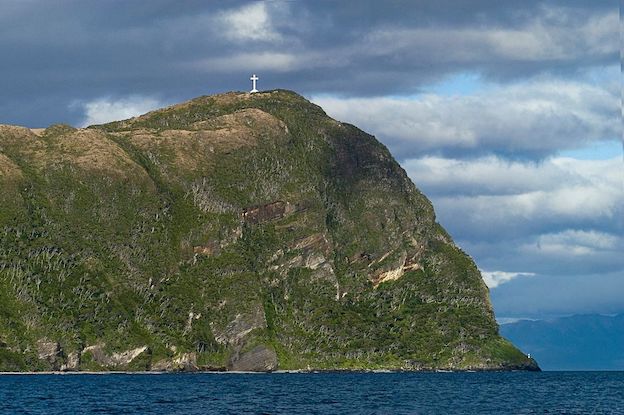
Cape Froward, Chile
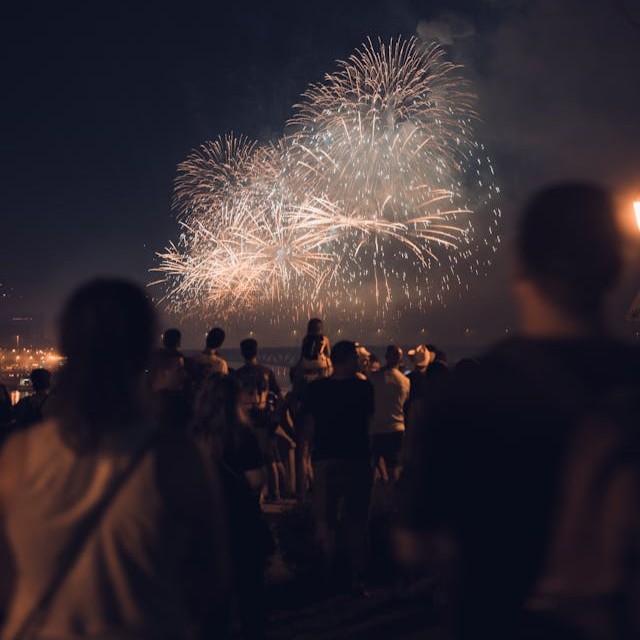

Welcome to the World’s Largest New Year’s Celebration
For those traveling from North, Central, or South America, New Year's Eve in Rio offers a rich narrative about how a city can transform a universal holiday into a unique celebration, rooted in local traditions and open to the world.










|
Experiences Finder
(Search our catalog of Experiences here.) |
|---|