|
Pan American Experiences
|
------- |

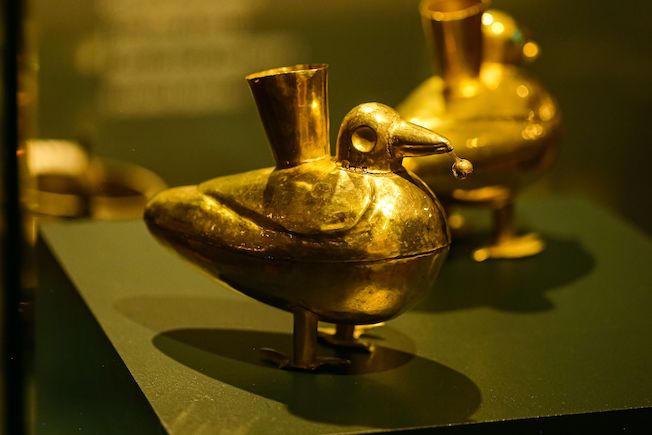
Image: Daniel Neves Cotta / Pexels
|
COLOMBIA ------------------------------------------1362[EXPERIENCE] | |||
The Gold Museum, Bogotá, ColombiaA Location Guide for Documentary Filmmakers, Photographers, Influencers and StorytellersBy Heydi Bernal for Ruta Pantera on 7/31/2026 11:41:19 AM |
||||
| Few museums in the world tell the story of an entire civilization as powerfully as Colombia's Gold Museum. Located in the historic heart of Bogotá, this internationally renowned institution houses the largest collection of pre-Hispanic goldwork on Earth, preserving thousands of objects that reveal the artistic mastery, scientific knowledge, spiritual beliefs, and cultural diversity of the Indigenous societies that flourished throughout Colombia long before European contact.
Rather than presenting gold simply as a precious metal, the museum explains its profound ceremonial and symbolic significance. For many Indigenous cultures, gold represented light, transformation, power, and the connection between the human and spiritual worlds. Every mask, pectoral, necklace, vessel, and ceremonial offering displayed throughout the museum tells a story of identity, mythology, trade, leadership, and ritual. Today, the Gold Museum preserves more than 34,000 gold artifacts and approximately 20,000 additional archaeological objects made from ceramics, stone, shell, wood, bone, textiles, and other materials. Together, these collections provide one of the most comprehensive interpretations of pre-Columbian societies anywhere in the Americas, making the museum one of Colombia's most important cultural institutions and one of the country's most visited museums. For documentary filmmakers, photographers, journalists, historians, educators, and content creators, the museum offers an extraordinary opportunity to document one of the world's richest collections of Indigenous cultural heritage. However, because every object forms part of Colombia's national archaeological patrimony, photography, commercial filming, and media productions are governed by specific regulations established by the Banco de la República, which manages the museum, and must be understood before any professional production begins. Getting There The Gold Museum is located at Carrera 6 No. 15-88, beside Parque Santander in Bogotá's historic center, only a short walk from La Candelaria, Plaza de Bolívar, the Botero Museum, and the Colonial Art Museum. Its central location makes it one of the easiest cultural attractions to include within a day of exploring Bogotá's historic district. The simplest way to reach the museum is by using Bogotá's TransMilenio rapid transit system. The Museo del Oro Station is located directly beside the building, providing convenient access from most areas of the city. Taxi services and rideshare applications are also widely available, although traffic in downtown Bogotá can become heavy during weekday rush hours. International visitors arriving through El Dorado International Airport can normally reach the museum in approximately 30 to 45 minutes, depending on traffic conditions. Many travelers combine their visit with nearby attractions such as Monserrate, Plaza de Bolívar, the Botero Museum, and the Luis Ángel Arango Library, all located within walking distance. What Will You See? The museum is much more than an exhibition of gold objects. It presents the history of Colombia's Indigenous peoples through a carefully designed journey that explores technology, religion, cosmology, politics, trade, craftsmanship, and daily life before the arrival of Europeans. Visitors encounter exquisitely crafted nose ornaments, breastplates, necklaces, crowns, musical instruments, ritual vessels, masks, earrings, miniature sculptures, animal figures, and ceremonial offerings. Many of these pieces demonstrate an astonishing level of technical sophistication, including lost-wax casting, hammering, repoussé, alloy production, and intricate metalworking techniques developed centuries before similar technologies appeared elsewhere in the Americas. Among the museum's greatest treasures is the world-famous Muisca Raft (Balsa Muisca), one of Colombia's most iconic archaeological discoveries. This small yet remarkably detailed gold sculpture depicts the ceremony that inspired the legendary story of El Dorado, in which the Muisca ruler, covered in gold dust, crossed Lake Guatavita to present offerings to the gods. Few individual artifacts have had such a profound influence on global exploration and mythology. As visitors move through the galleries, they discover that each region of Colombia developed its own artistic traditions. Rather than displaying a single civilization, the museum reveals the remarkable cultural diversity that existed across the country thousands of years before European colonization. The Most Important Galleries The museum's permanent exhibition is organized into several thematic galleries that gradually build a deeper understanding of Colombia's pre-Hispanic cultures. The first galleries introduce visitors to the extraordinary craftsmanship of Indigenous goldsmiths, explaining how natural resources were transformed into ceremonial objects using highly sophisticated metallurgical techniques. Interactive displays demonstrate ancient manufacturing processes and reveal the remarkable scientific knowledge possessed by these communities. Another gallery explores "People and Gold in Pre-Hispanic Colombia," examining how metals functioned within political, religious, and social life rather than serving primarily as currency or economic wealth. Here, visitors learn that many objects were created specifically for rituals, leadership ceremonies, and communication with the spiritual world. The museum's celebrated Cosmology and Symbolism Gallery examines the beliefs that shaped Indigenous understandings of nature, animals, ancestors, and the universe. Through beautifully illuminated displays, visitors discover how birds, jaguars, bats, snakes, frogs, and other animals frequently appeared in ceremonial art as symbols of transformation and spiritual power. Perhaps the most memorable moment comes inside The Offering Room (La Ofrenda). In a darkened circular chamber, an immersive audiovisual presentation surrounds visitors with music, lighting, and hundreds of gold objects displayed as ritual offerings. The experience recreates the spiritual significance of ceremonial deposits made in lakes, rivers, caves, and sacred places, providing one of the most powerful museum presentations anywhere in Latin America. The Indigenous Cultures Represented The Gold Museum tells the story of Colombia through the achievements of dozens of Indigenous societies that flourished for thousands of years before the arrival of Europeans. Rather than focusing on a single civilization, the museum presents the extraordinary diversity of cultures that inhabited the Andes, the Caribbean coast, the Pacific lowlands, the Amazon, the Eastern Plains, and the Sierra Nevada de Santa Marta. Among the best represented are the Muisca, whose sophisticated society occupied the highlands surrounding present-day Bogotá. Their ceremonial offerings inspired the legend of El Dorado, one of history's most enduring myths. The museum's famous Muisca Raft illustrates the investiture ceremony of a new ruler at Lake Guatavita, an event that fueled centuries of European exploration across South America. Visitors also discover the remarkable artistry of the Quimbaya, celebrated for producing some of the finest goldwork ever created in the Americas. Their elegant poporos, ceremonial vessels, and sculptural masterpieces demonstrate exceptional technical precision and artistic refinement that continue to impress archaeologists and goldsmiths today. Other galleries highlight the achievements of the Zenú, renowned for their sophisticated hydraulic engineering and intricate filigree work; the Tairona, masters of metallurgy who inhabited the Sierra Nevada de Santa Marta; the Calima, Tolima, Nariño, Tumaco-La Tolita, Sinú, and numerous additional societies whose artistic traditions varied dramatically across Colombia's diverse landscapes. Together, these collections reveal that pre-Hispanic Colombia was not a single culture, but a mosaic of highly developed civilizations, each with its own beliefs, technologies, artistic styles, and political systems. |
||||
|
Why the Gold Museum Matters
The Gold Museum is widely regarded as one of the world's most important museums dedicated to pre-Columbian civilizations. More than a repository of archaeological treasures, it serves as a center for research, conservation, education, and cultural preservation, helping both Colombians and international visitors understand the richness of the country's Indigenous heritage. Its collection of more than 34,000 gold objects—supported by approximately 20,000 additional archaeological artifacts made of ceramics, stone, shell, wood, bone, and textiles—represents the largest public collection of pre-Hispanic goldwork anywhere in the world. Every object contributes to a broader narrative about religion, trade, craftsmanship, environmental adaptation, leadership, and the sophisticated technologies developed by Indigenous societies centuries before European contact. The museum also plays a critical role in combating misconceptions about ancient American civilizations. Rather than portraying gold as accumulated wealth, its exhibitions explain that these objects were primarily ceremonial, spiritual, and symbolic. Gold represented transformation, fertility, ancestry, and communication with supernatural forces, offering visitors a far deeper understanding of Indigenous worldviews. For documentary filmmakers and educators, few institutions provide such a comprehensive visual introduction to Colombia's archaeological heritage. Filming Permits, Photography and Media Access The Gold Museum welcomes visitors who wish to document their experience through photographs and personal videos. Visitors may photograph and record the permanent exhibitions without using flash or tripods, provided the images are intended solely for private, non-professional, and non-commercial use. Personal photographs and videos may also be shared on social media, provided they are not used for commercial purposes. Professional productions operate under different regulations. Documentary filmmakers, television crews, commercial photographers, advertising agencies, production companies, journalists, and influencers creating commercial content must obtain prior authorization from the Banco de la República before filming inside the museum. Requests should be submitted at least two business days in advance to allow museum staff sufficient time to evaluate the proposed production. Media inquiries, professional photography, and audiovisual productions are coordinated through the museum's Cultural Communications Office. Requests may be submitted by email to prensacultural@banrep.gov.co, while additional information is available through the museum's communications offices by telephone. The production request should clearly describe the purpose of the project, expected publication, filming dates, number of crew members, equipment list, and intended areas of the museum to be recorded. Depending on the complexity of the production, museum staff may establish specific filming schedules designed to minimize disruption to visitors and protect the collections. Productions involving lighting equipment, interviews, multiple cameras, commercial branding, actors, or extensive setups are typically reviewed individually before authorization is granted. Because museum policies may evolve over time, professional creators should always confirm current requirements directly with the Banco de la República before making travel arrangements. |
||||
 Add this article to your favorites
[FOR MEMBERS ONLY]
Add this article to your favorites
[FOR MEMBERS ONLY]
Copy this link to send this article to a friend: [FOR MEMBERS ONLY] |
||||

|
|
||||
|---|---|---|---|---|
| |
|
|
|
|
×
|
||||
|
References: Banco de la República. (n.d.). Museo del Oro. https://www.banrepcultural.org/bogota/museo-del-oro Banco de la República. (n.d.). Información para visitantes – Museo del Oro. https://www.banrepcultural.org/bogota/museo-del-oro/informacion-general Banco de la República. (n.d.). Exposiciones permanentes – Museo del Oro. https://www.banrepcultural.org/bogota/museo-del-oro Banco de la República. (n.d.). Reglamento para visitantes, fotografía y producciones audiovisuales. https://www.banrepcultural.org Unidad Administrativa Especial de Aeronáutica Civil (Aerocivil). (n.d.). Regulación para sistemas de aeronaves no tripuladas (UAS/RPAS). https://www.aerocivil.gov.co Instituto Colombiano de Antropología e Historia (ICANH). (n.d.). Patrimonio arqueológico de Colombia. https://www.icanh.gov.co Pexels. (n.d.). Photo by Daniel Neves Cotta. https://www.pexels.com |
||||
Please leave a comment about this article: 1362 |
|
| Enter your email address: |
Your email will not be displayed. |
| Your nickname: | |
| Your comment: | |
| Was this article helpful to you? | |
|
|
|
Articles about exciting travel experiences in our hemisphere.
ADVENTURE
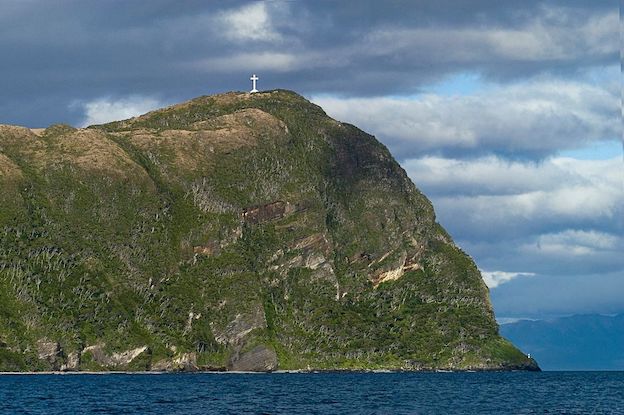
Cape Froward, Chile
BEACH & SUN

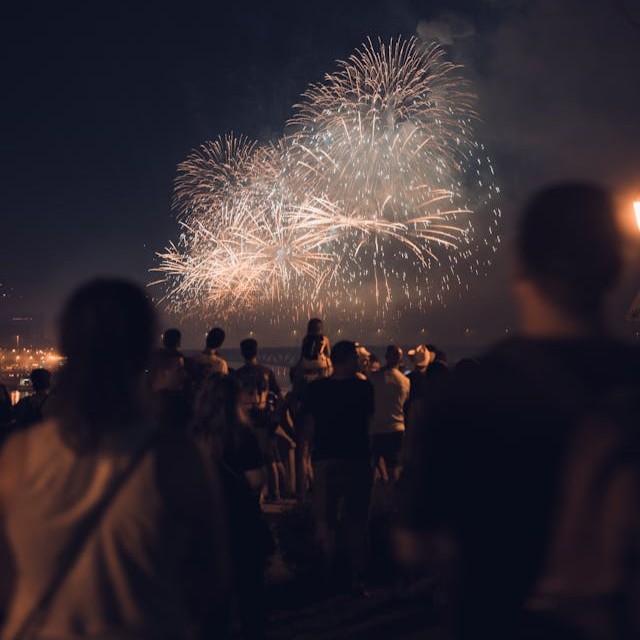
Welcome to the World’s Largest New Year’s Celebration
For those traveling from North, Central, or South America, New Year's Eve in Rio offers a rich narrative about how a city can transform a universal holiday into a unique celebration, rooted in local traditions and open to the world.







|
Experiences Finder
(Search our catalog of Experiences here.) |
|---|