|
Pan American Experiences
|
------- |

Related Articles:
The Whale Festival: How a Pacific Fishing Community Marks the Arrival of the Humpbacks Each Year |
------------------------------------------329[FEATURE] | |||
Travel without barriers: how to democratize the world's roadsTravel as a privilege (and the dream that it isn't)By Estefanía Muriel for Ruta Pantera on 9/22/2025 9:19:23 PM |
||||
| Travel has always been more than just moving around: it's about discovering other worlds, experiencing the unknown, and broadening one's perspective. But, in practice, this experience isn't accessible to everyone. In a hyperconnected world, where an Instagram photo can travel across oceans in seconds, the chances of getting on a plane or a tour bus remain unequal. This is no coincidence: behind every train ticket or every hotel stay are economic, political, and social structures that exclude. While for some, traveling is almost an annual ritual—vacation, getaway, cultural experience—for millions, it remains a distant luxury. Nearly 9 out of 10 people worldwide are excluded from the experience of flying, whether for economic, geographical, or infrastructure reasons. So how can we ensure that travel is truly for everyone and not just for those with greater resources? Causes of travel inequality There are several barriers that cause tourism to be concentrated in the hands of those who can pay more: The cost of transportation : Flights, even with low-cost airlines, remain expensive compared to the average wages of millions of workers. In Latin America, for example, the monthly minimum wage in several countries is barely enough to cover a single plane ticket within the region. The infrastructure gap : Not all cities are connected to accessible transportation networks. There are entire towns where getting to an airport costs more on transfers than the flight itself. The weight of the global economy : Factors such as inflation, recessions, and immigration policies directly impact the ability to move. Visas, mandatory insurance, and airport taxes increase costs. Tourism as an aspirational product : Social media has reinforced the idea that travel is synonymous with luxury, glamour, and status. This increases the cultural pressure to experience things many can't afford, and reinforces the divide. | ||||
| Options to democratize travel If tourism can generate income, promote cultural exchanges, and enrich those who participate, it can also be conceived from a perspective of social justice. There are options, some already underway and others yet to be imagined: 1. Social tourism programs Many countries have created state-run programs to provide low-income people with access to subsidized vacations. In Argentina, the Chapadmalal Social Tourism program offers nominally priced stays for families, retirees, and students. According to the country's Ministry of Tourism, more than 200,000 people participated in 2022. 2. Public transport as an ally The railway system in Europe is an example of how public transport can make travel more affordable. The Eurail Pass, although not perfect, has inspired more accessible local models. If discounts for young people, the unemployed, or retirees were applied on intercity buses and trains in Latin America, domestic tourism would become more democratic. 3. Community accommodations The rise of platforms like Airbnb has had contradictory effects: it has made housing more expensive in some cities, but it has also demonstrated that sharing spaces is possible. Cooperative projects and hostels run by local communities open the door to low-budget travelers and, in addition, redistribute income into the local economy. 4. More humane visa policies Reducing excessive or costly entry requirements for certain countries would allow more people to travel. Some African nations already implement visa-on-arrival policies or even free regional transit, which benefits both tourists and local economies. 5. Education for responsible travel It's not all about money. You also have to learn to travel in different ways. From backpacking on a budget to practicing slow travel, staying longer in one place and spending less—alternatives exist and can be disseminated through educational campaigns. | ||||
 Add this article to your favorites
[FOR MEMBERS ONLY]
Add this article to your favorites
[FOR MEMBERS ONLY]
Copy this link to send this article to a friend: [FOR MEMBERS ONLY] |
||||
|
|
||||
|---|---|---|---|---|
| |
|
|
|
|
×
|
||||
|
References: References World Tourism Organization. (1999). Global Code of Ethics for Tourism . Madrid: UNWTO. https://www.unwto.org/es/codigo-etico-mundial-para-el-turismo UN. (1999). Declaration on the Right to Tourism . United Nations. https://www.un.org LundUniversity. (2020). One percent of the world's population accounts for more than half of flying emissions . https://www.lunduniversity.lu.se/article/one-percent-world's-population-accounts-more-half-flying-emissions |
||||
Please leave a comment about this article: 329 |
|
| Enter your email address: |
Your email will not be displayed. |
| Your nickname: | |
| Your comment: | |
| Was this article helpful to you? | |
|
|
|
Articles about exciting travel experiences in our hemisphere.
ADVENTURE
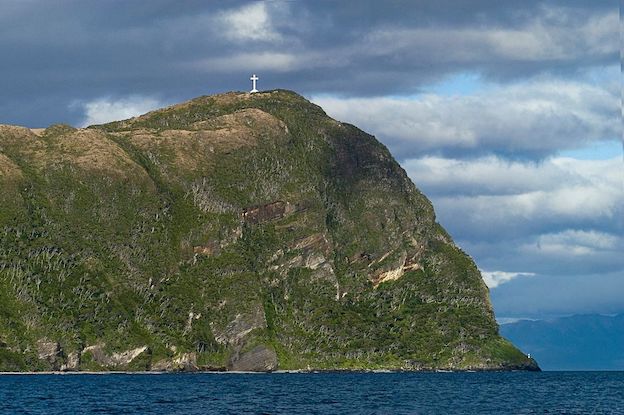
Cape Froward, Chile
BEACH & SUN

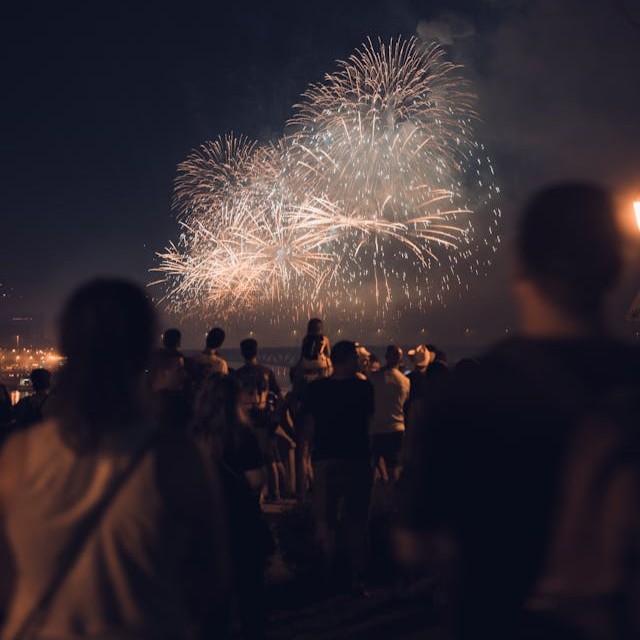
Welcome to the World’s Largest New Year’s Celebration
For those traveling from North, Central, or South America, New Year's Eve in Rio offers a rich narrative about how a city can transform a universal holiday into a unique celebration, rooted in local traditions and open to the world.













|
Experiences Finder
(Search our catalog of Experiences here.) |
|---|