|
Pan American Experiences
|
------- |


Argentina Related Articles:
Exploring Caverna de las Brujas in Malargüe |
ARGENTINA ------------------------------------------427[EXPERIENCE] | |||
Rafting on the Río Los Patos in BarrealBy Jazmin Agudelo for Ruta Pantera on 10/9/2025 10:24:03 AM |
||||
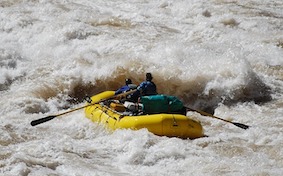
| Imagine the rush of icy Andean meltwater splashing against your face as you navigate a red inflatable raft through churning rapids, flanked by towering rock walls and snow-capped peaks. This isn’t a scene from an extreme sports documentary—it’s the everyday thrill of rafting on the Río Los Patos in Barreal, San Juan Province, Argentina. Nestled in the heart of the Calingasta Valley, this river offers an accessible yet exhilarating adventure that combines natural beauty, adrenaline, and a touch of history. As one of the premier water-based activities in the region, it draws families, thrill-seekers, and nature lovers alike to its crystal-clear waters. | ||||
| A River Born from the Andes The Río Los Patos originates high in the Andes Mountains, fed by snowmelt from peaks that soar over 4,000 meters. It flows southwest through the Calingasta Valley, eventually merging with the Río Blanco to form the Río San Juan, a vital waterway for the province. Spanning approximately 40 meters in width at its rafting sections, the river carves through a dramatic landscape of rocky canyons, arid plains, and lush riparian zones dotted with native vegetation. Its name, meaning "River of the Ducks," hints at the wildlife that frequents its banks, though today it's better known for its adventure potential than avian inhabitants. Geographically, the Río Los Patos is part of the larger Andean ecosystem in San Juan, a province renowned for its diverse terrains—from deserts to mountains. Barreal, the charming town serving as the launch point, lies about 200 kilometers west of San Juan's capital, in the Calingasta Department. This area has historical significance as a passage during General José de San Martín's legendary Crossing of the Andes in 1817, where troops traversed nearby valleys en route to liberate Chile. The river itself has long been a lifeline for local communities, supporting agriculture and, more recently, ecotourism. The confluence of Río Los Patos and Río Blanco creates a dynamic water system ideal for rafting, with seasonal flows that peak during the austral summer (December to March) due to increased meltwater. This natural setting not only provides thrilling rapids but also opportunities to spot local flora and fauna, including Andean condors soaring overhead and native shrubs lining the shores. The river's remote location ensures a pristine environment, far from urban hustle, making it a perfect escape for those seeking immersion in Argentina's wild west. From Gentle Floats to Heart-Pounding Drops Rafting on the Río Los Patos caters to a wide range of skill levels, making it an inclusive adventure. Routes vary in difficulty, from Class II-III rapids suitable for families and beginners to more challenging Class IV sections for experienced paddlers. A typical descent covers 10-15 kilometers, lasting 1.5 to 3 hours on the water, depending on the chosen route and water levels. The journey begins with a safety briefing and gear fitting—life jackets, helmets, wetsuits, and paddles are standard. Groups of 6-8 board sturdy inflatable rafts guided by certified instructors who navigate the river's twists and turns. As you push off from Barreal's riverbanks, the initial calm allows time to admire the surrounding scenery: jagged cliffs, distant glaciers, and the occasional glimpse of the majestic Aconcagua in the distance. Then come the rapids—foamy waves crashing over rocks, creating exhilarating drops and spins that demand teamwork to paddle through. Participants often describe the experience as a blend of excitement and serenity. "The rapids get your heart racing, but between them, you're floating in this incredible valley," shares one reviewer on social media. Winter rafting is possible, offering a unique snowy backdrop, though water levels are lower and colder. The best season is summer, when flows are higher, creating more dynamic rapids, but spring and fall provide milder conditions with fewer crowds. For families, shorter, gentler routes emphasize fun over intensity, with opportunities to swim in calmer pools. Advanced groups can tackle longer expeditions, sometimes combining rafting with kayaking or fishing at the confluence. The river's width and consistent flow make it safer than narrower, rockier streams, but the Andean setting adds an element of unpredictability—sudden winds or weather changes are common. | ||||
 Add this article to your favorites
[FOR MEMBERS ONLY]
Add this article to your favorites
[FOR MEMBERS ONLY]
Copy this link to send this article to a friend: [FOR MEMBERS ONLY] |
||||
|
|
||||
|---|---|---|---|---|
| |
|
|
|
|
×
|
||||
Please leave a comment about this article: 427 |
|
| Enter your email address: |
Your email will not be displayed. |
| Your nickname: | |
| Your comment: | |
| Was this article helpful to you? | |
|
|
|
Articles about exciting travel experiences in our hemisphere.
ADVENTURE
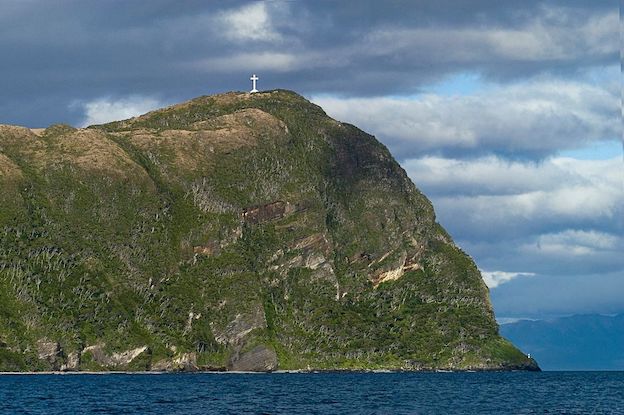
Cape Froward, Chile


BEACH & SUN

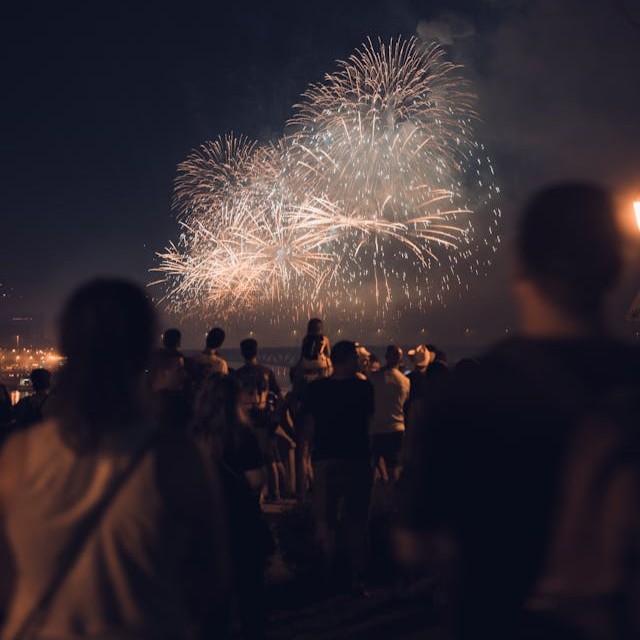
Welcome to the World’s Largest New Year’s Celebration
For those traveling from North, Central, or South America, New Year's Eve in Rio offers a rich narrative about how a city can transform a universal holiday into a unique celebration, rooted in local traditions and open to the world.









|
Experiences Finder
(Search our catalog of Experiences here.) |
|---|