|
Pan American Experiences
|
------- |


Argentina Related Articles:
The Obelisk That Almost Wasn’t
|
ARGENTINA ------------------------------------------429[EXPERIENCE] | |||
Following San Martín’s Steps in San JuanBy Jazmin Agudelo for Ruta Pantera on 10/9/2025 10:24:14 AM |
||||
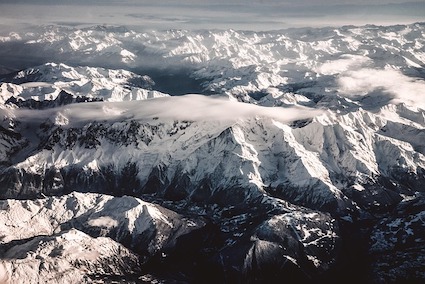
| Imagine the echo of hooves reverberating through rocky canyons, the icy wind of the cordillera whipping your face as you climb above 4,000 meters, with snow-capped peaks standing guard over your journey. This isn’t a scene from a historical epic—it’s the reality of a modern horseback trek across the Andes Crossing in San Juan, Argentina. Retracing the route that General José de San Martín forged in 1817 to liberate Chile and Peru from Spanish rule, this tourist expedition blends extreme adventure with living history lessons. Starting in the Valle de Calingasta, from Barreal, contemporary riders revive the Sanmartinian feat on mules and horses, traversing landscapes that seem frozen in time. | ||||
| San Martín’s Liberating Feat The Crossing of the Andes stands as one of the most daring military feats in American history. In January 1817, General José de San Martín, leading the Army of the Andes, launched an expedition that would alter the course of South American independence. After years of preparation in Mendoza, San Martín opted to surprise the Spanish royalists by crossing the formidable Cordillera de los Andes, bypassing more conventional routes. This strategy avoided the Alto Perú, where patriots had suffered prior defeats, enabling a surprise attack in Chile. The army, comprising over 5,400 men, 10,000 mules, and 1,600 horses, split into six columns to traverse different passes. The main force, led by San Martín, crossed via the Paso de Los Patos in San Juan, a 500-kilometer journey at extreme altitudes, facing subzero temperatures, avalanches, and scarce provisions. The feat lasted 21 days, with significant losses—about a third of the men and half the animals—but culminated in the victory at Chacabuco on February 12, 1817, paving the way for the independence of Chile and Peru. San Martín wasn’t the first to cross the Andes—Colonel Manuel Dorrego did so in 1811—but his campaign was the most ambitious and strategic. Collaborators like Bernardo O’Higgins and José Miguel Carrera played key roles, and logistics featured innovations such as cannons transported on mules and provisions prepared by Mendoza’s “patriotitas” women. This epic not only freed territories but also symbolized South American unity, inspiring generations. Today, the Paso de Los Patos, in southwestern San Juan, serves as the primary route for recreating this path, declared of historical and tourist interest. Monuments like the Border Marker and commemorative plaques mark the trail, honoring the soldiers’ resilience. Sanmartinian Horseback Rides Tourist horseback rides revive this feat with expeditions lasting 6 to 10 days, blending adventure, history, and nature. Organized by operators like Argentina Extrema and Alto Rumbo, these start in Barreal, Valle de Calingasta, and ascend via the Paso de Los Patos to the Chile border, covering 100-120 kilometers at altitudes between 3,000 and 4,500 meters. A typical itinerary includes: Day 1, arrival in San Juan and transfer to Barreal for acclimatization at a lodge; Days 2-6, 6-8 hour daily rides, camping at sites like Valle Hermoso or Las Vegas, with mules carrying gear; Day 7, return or extension. Participants, limited to small groups (10-20 people), ride “light” with personal saddlebags, while local wranglers handle logistics. The experience is immersive: guides share Sanmartinian anecdotes at spots like Portezuelo de Las Leñas, where the Aconcagua is visible. Traditional meals—barbecues, mate—and nights under the stars deepen the connection with nature. Tripadvisor reviews highlight the thrill of reaching the border marker, waving flags, and the camaraderie forged in the challenge. For variations, routes from Mendoza via Uspallata or expeditions to Espinacito are available. The annual official edition in March draws hundreds, requiring early registration. Keys to a Successful Journey This adventure demands physical preparation: good health, riding experience, and altitude acclimatization to avoid altitude sickness. Operators include air evacuation insurance and medical support. Essential gear: thermal clothing, boots, helmet, sleeping bag (-10°C), and sunscreen. Costs range from USD 1,500-2,500 per person, covering transport, meals, and equipment. Best season: austral summer (December-March), though Andean weather is unpredictable. Book via sites like San Juan Turismo or Explora Parques. | ||||
 Add this article to your favorites
[FOR MEMBERS ONLY]
Add this article to your favorites
[FOR MEMBERS ONLY]
Copy this link to send this article to a friend: [FOR MEMBERS ONLY] |
||||
|
|
||||
|---|---|---|---|---|
| |
|
|
|
|
×
|
||||
Please leave a comment about this article: 429 |
|
| Enter your email address: |
Your email will not be displayed. |
| Your nickname: | |
| Your comment: | |
| Was this article helpful to you? | |
|
|
|
Articles about exciting travel experiences in our hemisphere.
ADVENTURE
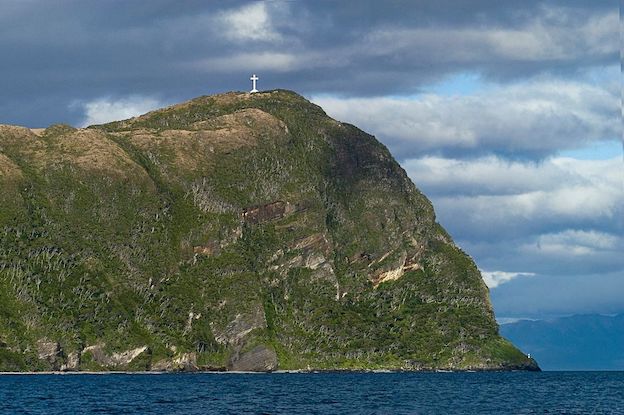
Cape Froward, Chile
BEACH & SUN

Welcome to the World’s Largest New Year’s Celebration
For those traveling from North, Central, or South America, New Year's Eve in Rio offers a rich narrative about how a city can transform a universal holiday into a unique celebration, rooted in local traditions and open to the world.






|
Experiences Finder
(Search our catalog of Experiences here.) |
|---|