|
Pan American Experiences
|
------- |



Americas Related Articles:
Pujol Crosses Borders: Mexico City's Jewel Arrives in New York City
How Giant Murals Are Transforming Cities Across South and Central America
Exploring Panamerica with Pride: A 2025 Guide for the LGBTQ+ Community |
AMERICAS ------------------------------------------578[ARTICLE] | |||
Caribbean Attacks: The Legal Controversy Behind U.S. Bombings In International WatersThe US attacks in the Caribbean have rekindled debates over sovereignty, maritime law, and the "narcoterrorism" narrative.By Estefanía Muriel for Ruta Pantera on 10/27/2025 2:27:55 PM |
||||
| Caribbean Attacks: The Legal Controversy Behind U.S. Bombings In International Waters The US attacks in the Caribbean have rekindled debates over sovereignty, maritime law, and the "narcoterrorism" narrative. The Caribbean is once again the scene of a struggle between power and legality. Since August 2025, the Donald Trump administration has ordered at least six attacks against suspected drug trafficking vessels in international waters. The most recent operation, in which two people died and a Colombian and an Ecuadorian survived, has challenged the limits of international law and strained diplomatic relations with Latin America. According to the United Nations Convention on the Law of the Sea ( UNCLOS ) , international waters are outside the jurisdiction of any State, except in cases of piracy or slave trade. A coup without Latin American consent The White House defended the bombings as part of a "legitimate operation" against drug trafficking networks that, according to Washington, "put US national security at risk." But in practice, the decision has been perceived as a violation of regional sovereignty. In Colombia , President Gustavo Petro called the attack an "attack on international law" and denounced the fact that the attack killed a Colombian fisherman. In contrast, his Interior Minister, Armando Benedetti , adopted a more cautious tone, confirming that the Colombian survivor, Jeison Obando Pérez, "will be prosecuted for drug trafficking in accordance with national law." | ||||
| Ecuador , for its part, adopted a more technical response: it repatriated citizen Andrés Fernando Tufiño Chila after verifying that he "had not committed crimes on Ecuadorian territory," according to the Associated Press . In practice, Quito avoided a direct diplomatic confrontation with Washington. The differences between Bogotá and Quito reflect two regional strategies: one of sovereign defense; the other, of geopolitical prudence vis-à-vis a key economic partner. Sovereignty or a global fight against drug trafficking? According to Reuters , the US operations are part of a new phase of Trump's anti-drug policy, which seeks to "intercept vessels before they reach US territorial waters." However, analysts warn that this "preemptive defense" doctrine could erode the principles of international law. Although Washington claims the sunken vessels were "narco-submarines," it has neither presented verifiable evidence nor allowed independent inspections. This ambiguity fuels suspicions that a policy of covert intervention is expanding in the Caribbean region, under the guise of maritime security. Donald Trump celebrated the bombings as “victories for justice” and posted videos of the attacks on his Truth Social network , calling the crew members “narco-terrorists.” In a country where the fentanyl crisis has caused more than 107,000 deaths annually ( DEA ), the rhetoric resonated loudly. In the United States , the dissemination of the images reinforced the idea of a government determined to protect its borders, even beyond them. But in Latin America , the reaction was very different: leaders and citizens perceived the gesture as an act of imperial arrogance. A dilemma that transcends the sea The Caribbean attacks not only call into question the legality of sinking vessels in international waters, but also expose the fine line between security and sovereignty. Washington maintains that it is acting in self-defense and in the name of combating global crime; however, the areas it has bombed are outside its recognized jurisdiction. For Latin American countries, these actions do not represent security operations, but rather a unilateral expansion of US naval power beyond the limits of international law. The sea, once a symbol of cooperation and free movement, has become the scene of an old conflict with new protagonists: that of a power that imposes its might where the law does not grant it authority. | ||||
 Add this article to your favorites
[FOR MEMBERS ONLY]
Add this article to your favorites
[FOR MEMBERS ONLY]
Copy this link to send this article to a friend: [FOR MEMBERS ONLY] |
||||
|
|
||||
|---|---|---|---|---|
| |
|
|
|
|
×
|
||||
| Miles earned: |
||||
Please leave a comment about this article: 578 |
|
| Enter your email address: |
Your email will not be displayed. |
| Your nickname: | |
| Your comment: | |
| Was this article helpful to you? | |
|
|
|
Articles about exciting travel experiences in our hemisphere.
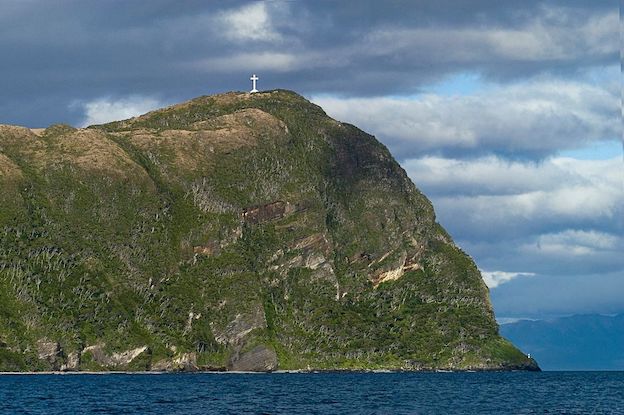
Cape Froward, Chile
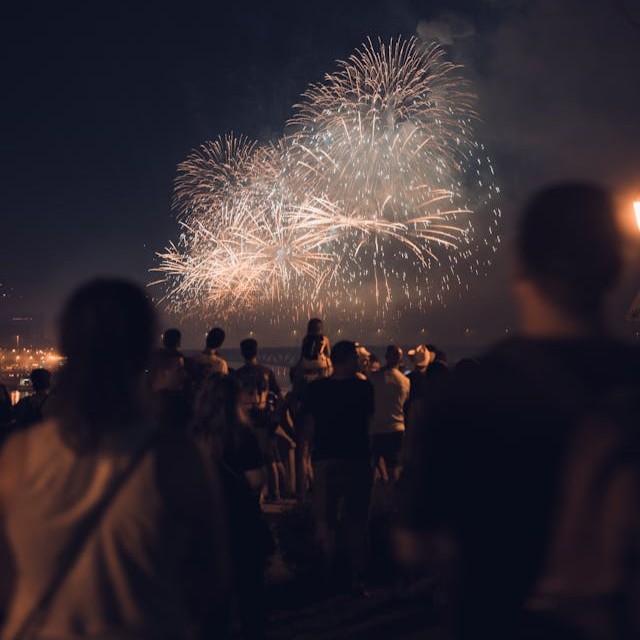

Welcome to the World’s Largest New Year’s Celebration
For those traveling from North, Central, or South America, New Year's Eve in Rio offers a rich narrative about how a city can transform a universal holiday into a unique celebration, rooted in local traditions and open to the world.













|
Experiences Finder
(Search our catalog of Experiences here.) |
|---|