The Great American Cruise Calendar: Festivals, Wildlife and Events at Sea
Plan Your Cruise Around the Moments You Actually Want to Experience
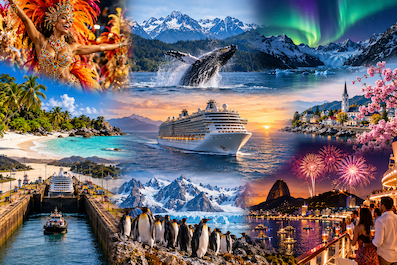
A cruise through the Americas does not have to be planned simply around a departure port, a ship or a list of destinations. Some of the most memorable voyages begin with a completely different question: What do you want to see happening when you arrive? Maybe it is the northern lights appearing over Alaska, humpback whales feeding in summer waters, cherry blossoms surrounding Vancouver before an Inside Passage sailing, Carnival transforming Rio de Janeiro into a giant celebration, or the first days of the holiday season in the Caribbean. The Americas offer an extraordinary calendar of natural phenomena and cultural events, and cruise itineraries can be used to connect travelers with many of them. The key is to understand that wildlife, weather and festivals follow their own calendars, so the right cruise is often the one whose dates match the experience rather than simply the destination.
January — Begin the Year in the Caribbean or Follow Summer South
January is one of the easiest months to build a cruise around warm-weather celebrations because the Caribbean is firmly within its major winter cruise period. Ships departing from Florida and other gateways can reach the Eastern, Western and Southern Caribbean, allowing travelers to combine islands, beaches, food and local celebrations while avoiding the coldest months farther north. It is also an important month for South America, where summer is underway and longer voyages can move through Brazil, Uruguay, Argentina and Chile before reaching Patagonia and, on selected itineraries, Antarctica. For travelers who want the beginning of the year to feel like an escape rather than a continuation of winter, January offers a wide choice of tropical and southern-summer possibilities.
The month can also be used to build a longer journey around wildlife. In Argentine Patagonia, southern right whales are present along the coast from June through the end of the year, while additional whale species, including humpbacks, minke and sei whales, can be encountered in different parts of Patagonia between October and March. A South American voyage in January can therefore become more than a sequence of port calls: it can be part of a larger seasonal journey through a continent experiencing the height of summer.
February — Carnival Becomes the Destination
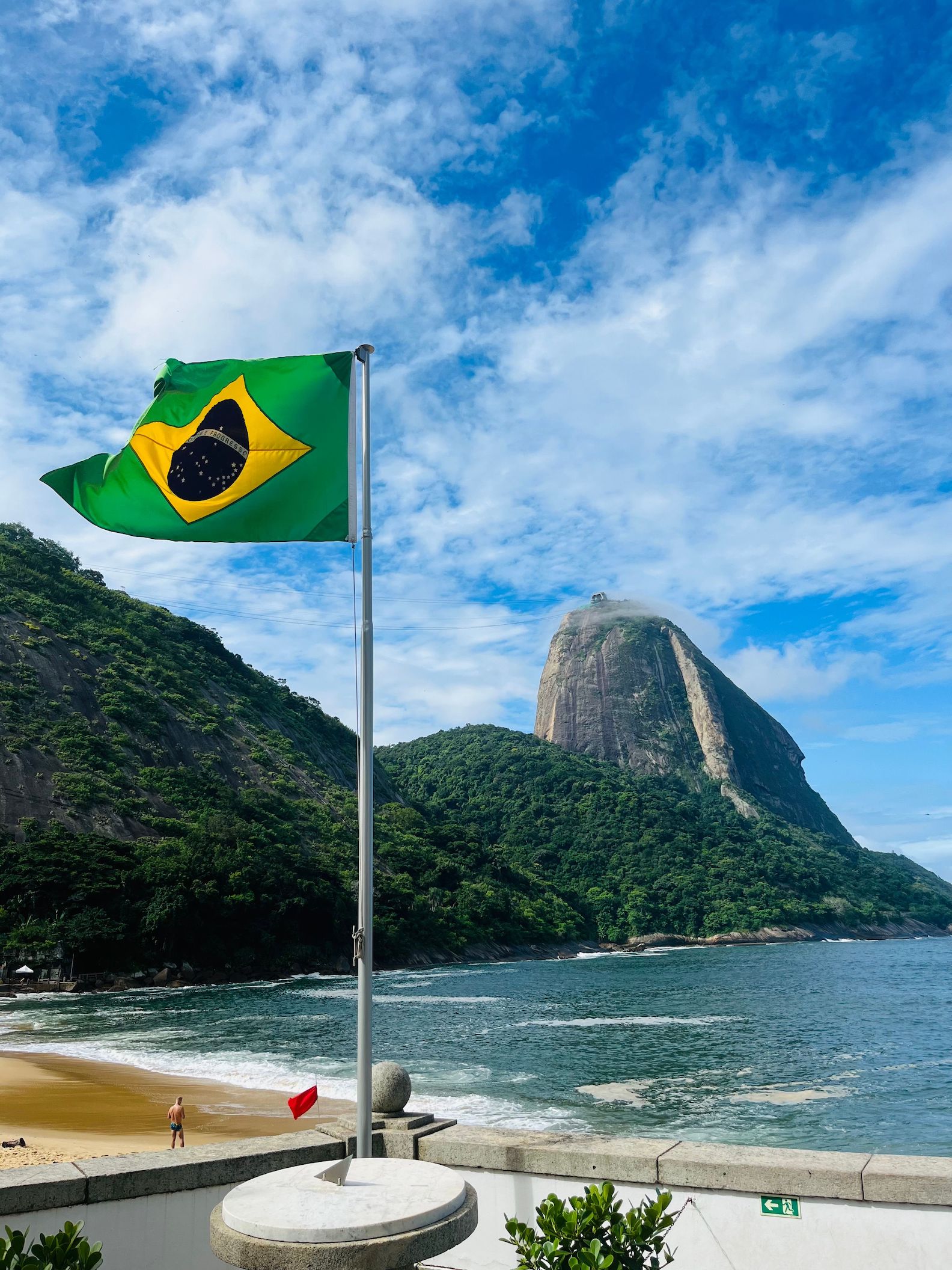
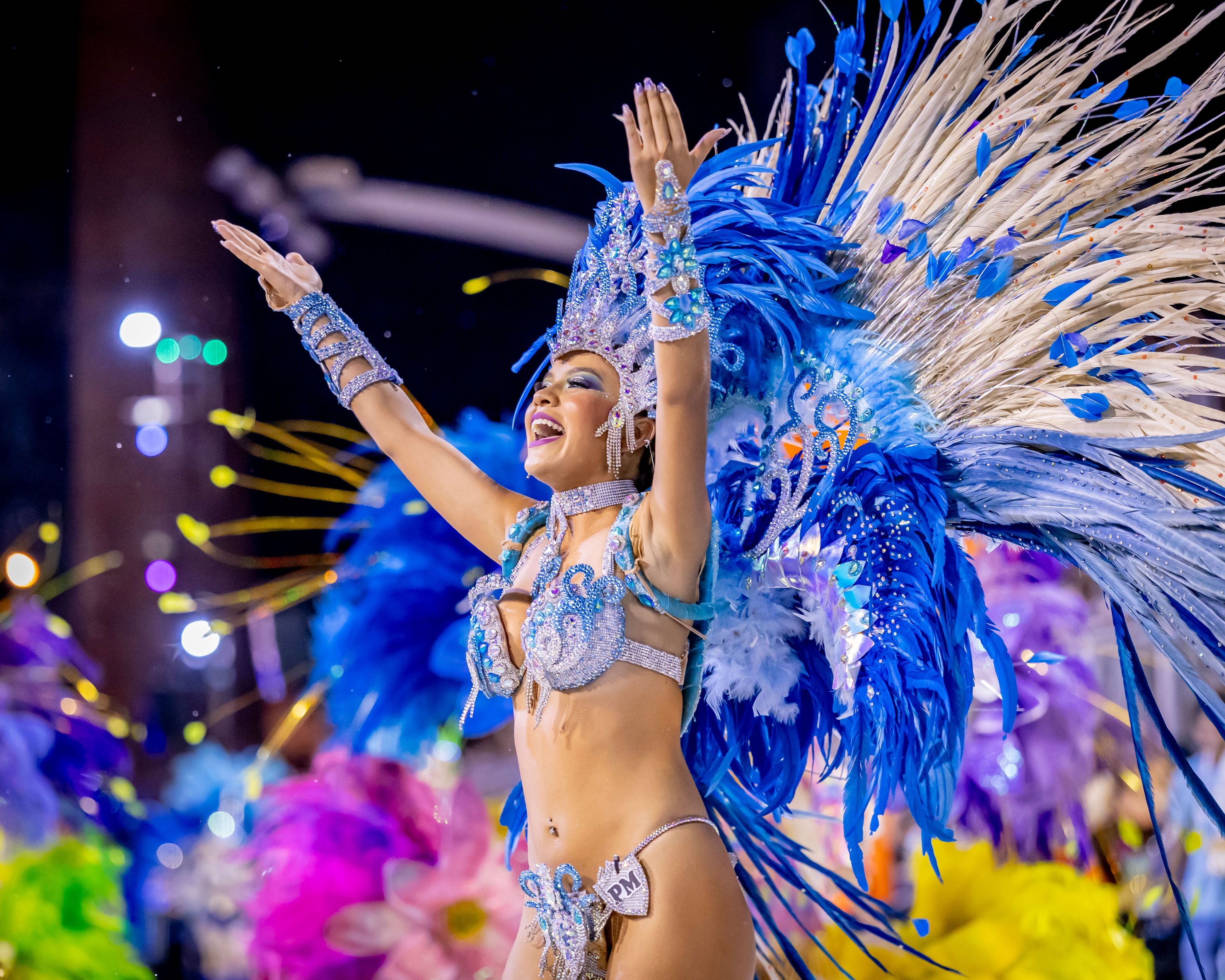
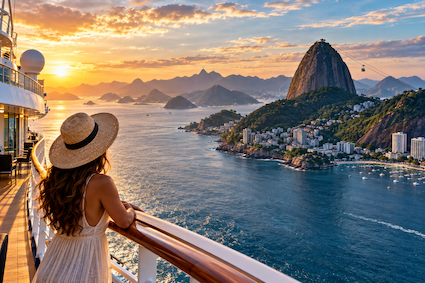
February is the month when a cruise can be deliberately built around one of the most spectacular cultural events in the Americas: Brazilian Carnival. In 2027, Rio de Janeiro's principal Sambadrome parades are scheduled for February 7, 8 and 9, with Série Ouro parades on February 5 and 6 and the Champions' Parade on February 13. Rio's street Carnival begins even earlier; the city has announced that the 2027 street-carnival period is scheduled to begin January 16.
This creates an interesting cruise-planning strategy. Rather than treating Rio as simply another South American port, travelers can arrange a longer stay before or after the cruise and make Carnival the central event of the journey. A cruise that arrives in Rio during Carnival week can become the maritime component of a much larger cultural trip, but travelers should be aware that availability and logistics become particularly important around major festival dates. Carnival is not something to squeeze into a few hours between ship excursions; it is an event worth building the trip around.
February also remains one of the major months for Caribbean cruising and for South American voyages toward Patagonia and Antarctica. That means travelers can choose between a cultural itinerary centered on Brazil, a tropical island itinerary in the Caribbean, or a southern expedition-style voyage. The calendar makes all three possible, but they represent very different experiences.
March — Spring Blooms and the Transition North
March introduces one of the more unusual cruise combinations: flowers in the north and wildlife in the south. Vancouver's cherry blossom season generally begins in early spring, with the city's annual Cherry Blossom Festival taking place from late March into April. Destination Vancouver describes more than 40,000 cherry trees across the city, while the festival combines blossom viewing with cultural events. A traveler planning an Alaska cruise from Vancouver can therefore arrive several days early and turn the embarkation city into part of the experience.
California provides another springtime option. The Flower Fields at Carlsbad Ranch, north of San Diego, typically bloom from March through May, while California's wildflower displays can spread across coastal and inland landscapes during spring. This can be particularly useful when planning Pacific Coast cruises from San Diego, because the cruise itself can be combined with a pre-cruise stay designed around spring landscapes.
Farther south, March remains part of the Southern Hemisphere's summer cruise season, so Patagonia, Chile and Argentina can still be incorporated into longer voyages. This creates a month when the same hemisphere offers two completely different visual stories: spring flowers emerging in the north while late summer continues in Patagonia.
April — Flowers, Whales and the Opening of Alaska
April is a remarkable transition month because several seasonal calendars overlap. Vancouver's cherry blossoms are still part of the spring landscape, while the Alaska cruise season begins to return. Holland America's published 2027 Alaska program, for example, runs from April through September, with departures from Seattle, Vancouver and Whittier. This makes Vancouver particularly interesting for travelers who want to combine a spring city experience with the beginning of the Inside Passage cruise season.
Wildlife can also become part of the planning. In Alaska, humpback and gray whales travel north into nutrient-rich summer feeding waters, while orcas remain in Alaska waters year-round. Travel Alaska notes that whale-watching excursions generally begin in spring and continue through September or October, weather permitting. The exact timing and sightings are never guaranteed, but choosing a sailing during the later spring and summer months increases the opportunity to encounter marine wildlife.
April also brings a confirmed 2027 festival opportunity in the Caribbean. Saint Lucia's Jazz & Arts Festival is scheduled for April 30 through May 9, 2027, bringing international and regional artists to venues including Pigeon Island. A Caribbean itinerary that includes Saint Lucia around those dates can therefore be planned around music and culture rather than beaches alone.
May — Music in the Caribbean and Wildlife in Alaska
May is an excellent month for travelers who want to combine outdoor scenery with cultural programming. Alaska is increasingly active as the northern cruise season gets underway, while the Caribbean remains accessible for travelers interested in warm-weather destinations and festivals. Saint Lucia's Jazz & Arts Festival continues into May in 2027, ending May 9. That creates a particularly interesting opportunity for a traveler to build a Caribbean itinerary around live music, local culture and island landscapes.
In Alaska, May is also the beginning of a period when whale activity becomes increasingly relevant. Humpback and gray whales migrate toward Alaska's productive summer feeding grounds, while the Inside Passage provides opportunities to see marine mammals against a backdrop of mountains, forests and coastal communities. The attraction is not a single scheduled event but a seasonal natural phenomenon, which makes it important to leave room in the itinerary for weather and wildlife conditions rather than expecting a guaranteed sighting.
June — The Wildlife Cruise
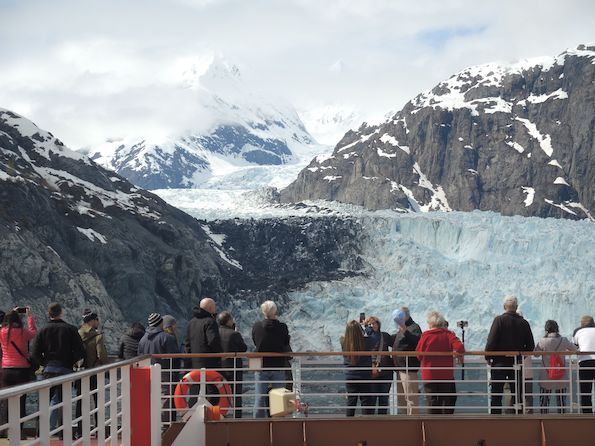
June is when Alaska becomes one of the strongest wildlife-focused cruise destinations in the Americas. Longer days, active marine ecosystems and the presence of humpback and gray whales create an itinerary in which the journey itself becomes a form of wildlife viewing. Travel Alaska notes that many whales arrive in Alaska during spring and remain through summer to feed, while orcas can be seen throughout the year.
This is also an important month for wildlife in South America. In Argentine Patagonia, southern right whales begin arriving along the Chubut coast in June and remain until the end of the year for reproduction, births and nursing. The cruise possibilities are different from Alaska, but the planning principle is the same: match the voyage to the natural calendar.
June therefore works particularly well for travelers who want their cruise to be about animals rather than simply scenery. Alaska offers whales and other northern wildlife, while Patagonia begins its own marine-wildlife season. The two destinations sit at opposite ends of the hemisphere, but their seasonal logic is surprisingly connected.
July — Caribbean Carnival and the Height of Alaska
July puts two very different experiences on the same calendar. In Alaska, the cruise season is well underway, with long summer days, glaciers, wildlife and Inside Passage scenery forming the core of the experience. Farther south, the Caribbean enters one of its major festival periods. Barbados' Crop Over traditionally runs through the summer, with celebrations extending from late June or July into early August and culminating in Grand Kadooment. Visit Barbados describes the festival as a celebration of the island's heritage, music, food, arts and the end of the sugar-cane growing season.
Saint Lucia also provides a concrete 2027 example: its tourism authority has announced July 19 and 20, 2027 for the island's Carnival celebrations. This means a Caribbean cruise in July can potentially be planned around Carnival rather than treating the island as a conventional beach stop.
The important planning detail is that festival dates vary by island and by year. A traveler should confirm the specific event calendar before booking the cruise, because being in the Caribbean during festival season does not automatically mean that a ship will be in port on the correct day.
August — Wildlife, Carnival and the Northern Summer
August is another month when the calendar can be built around very different experiences. Alaska remains deep in its summer cruise season, and whale-watching opportunities continue through the summer. In the Caribbean, Barbados' Crop Over celebrations traditionally reach their climax around this period, while other islands maintain their own summer Carnival traditions.
For travelers who prefer nature to festivals, August can also be a useful month for combining Alaska with a land extension. A cruise through the Inside Passage can be paired with time inland, where the experience shifts from glaciers and coastal wildlife to mountains, forests and national parks. The important idea is to treat the cruise as one component of a seasonal wildlife journey rather than the entire trip.
August is also a month when travelers should pay closer attention to tropical-weather forecasts when planning Caribbean itineraries. The Atlantic hurricane season runs from June 1 through November 30, with the greatest climatological activity generally occurring later in the season. Cruise lines can alter routes when necessary, but travelers planning around a fixed festival should understand that weather can affect port calls.
September — The Aurora Window Opens
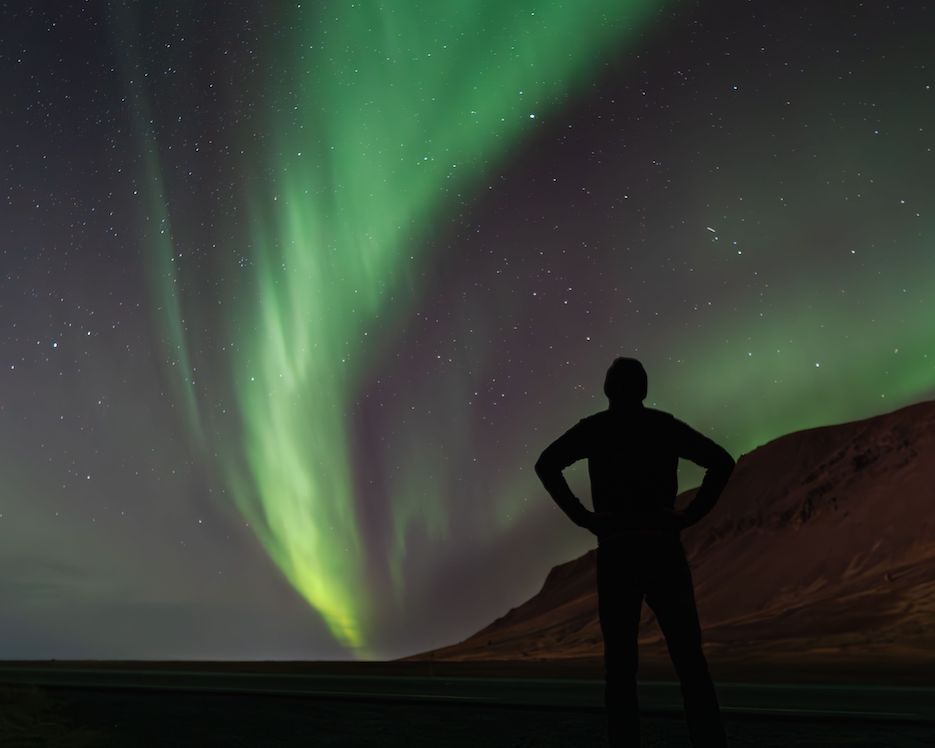
September may be one of the most interesting months for travelers trying to combine a conventional Alaska cruise with the possibility of seeing the northern lights. Travel Alaska identifies August 21 through April 21 as the broader aurora season, although visibility depends on darkness, cloud cover and solar activity. Its fall guidance highlights September and October as a particularly interesting overlap between aurora viewing and remaining summer activities, with mid-September through mid-October offering a useful window.
There is an important distinction here: an Alaska cruise is not an aurora expedition. Southeast Alaska's Inside Passage can have cloudy and rainy conditions, and the northern lights are never guaranteed. Travel Alaska specifically cautions that cruise passengers can occasionally see auroras late in the summer and fall but should not plan on it as a certainty. Travelers whose primary goal is the aurora may therefore want to add time inland in places such as Fairbanks rather than relying exclusively on the ship.
September also provides a strong wildlife story. Alaska's whale-watching season can continue into the month, while Patagonia's marine wildlife calendar is moving toward one of its richest periods. In Argentina, elephant seals are especially notable around late September and October, while additional whale species begin appearing in Patagonia from October onward.
October — Fall Colors and the Return of the Tropics
October is a month of transition. Alaska's main cruise season is coming to an end, while Caribbean and Panama Canal itineraries become increasingly prominent. For travelers who want to connect seasonal landscapes with cruising, Canada and New England offer another possibility: autumn scenery. Cruise itineraries through Québec, Nova Scotia, New England and the St. Lawrence can coincide with the changing colors of the northern forests, making October a particularly visual month for coastal cruising.
At the same time, the southern hemisphere is entering a period of increasing wildlife activity. Argentina's official tourism information identifies late September and October as an excellent period for observing elephant seals in Patagonia, while October through March brings additional whale species to parts of the Patagonian coast. A traveler could therefore use October to move from the end of the northern cruise calendar toward the beginning of South America's wildlife and summer season.
November — Food, Rum and the Start of Summer in the South
November is when the cruise calendar begins to feel distinctly tropical again. Caribbean itineraries are well established, while Panama Canal voyages can connect the Pacific and Caribbean sides of the hemisphere. But November is also a month when travelers can deliberately choose a cruise around food and culture.
Barbados' tourism authority highlights its Food and Rum Festival as a November event, bringing together culinary experiences and international and local chefs. A cruise calling at Barbados during the relevant festival period can therefore become a culinary journey rather than simply another Caribbean beach itinerary. The same principle applies across the region, where individual islands maintain food, music, cultural and heritage calendars throughout the year. Saint Lucia's tourism authority, for example, describes festivals ranging from music and Carnival to Creole heritage celebrations.
November is also a good month to begin thinking about South America. The Southern Hemisphere is moving toward summer, Patagonia's wildlife calendar is becoming increasingly active, and cruise lines begin operating more itineraries toward Chile, Argentina, Brazil and Antarctica.
December — Christmas, New Year and the Southern Summer
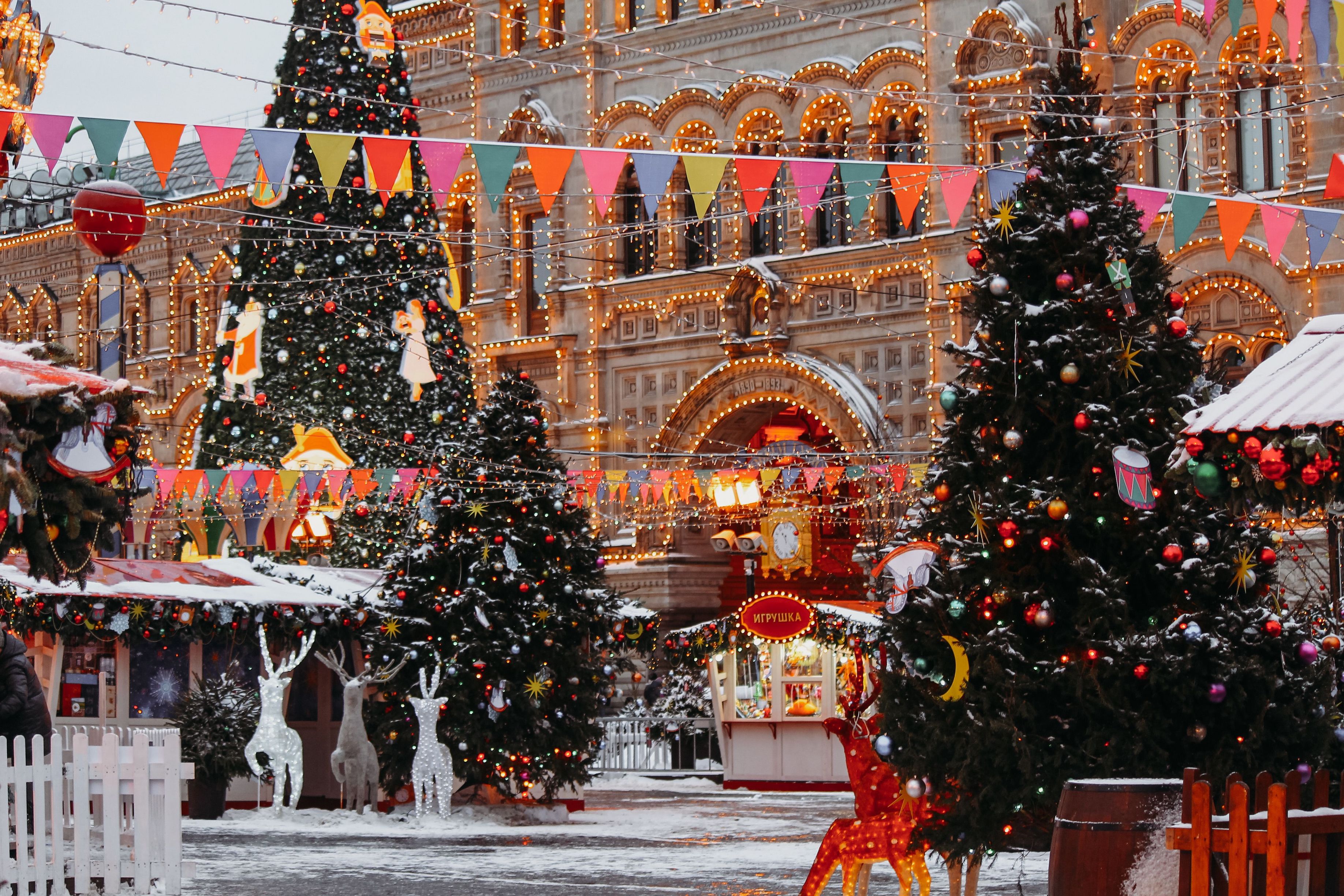
December changes the mood of cruising completely. In the Caribbean, ships become part of the holiday season, with Christmas and New Year's voyages offering a way to spend the holidays between islands rather than at home. The experience is less about one particular natural phenomenon and more about atmosphere: warm water, decorated ships, tropical ports and the possibility of beginning the new year at sea.
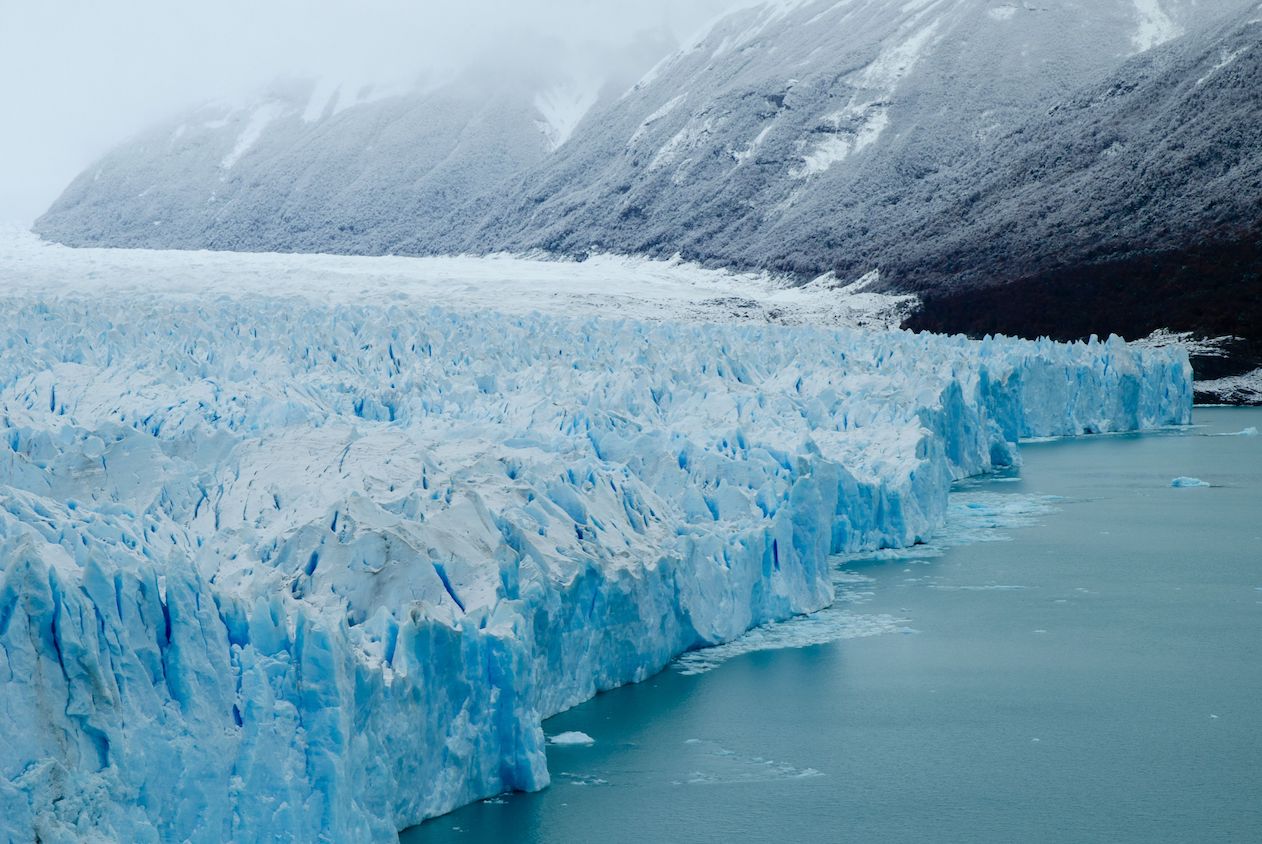
At the opposite end of the hemisphere, December is the beginning of the most important period for Patagonia and Antarctica cruises. Longer daylight and the Southern Hemisphere summer make it possible to travel through the fjords, channels and remote landscapes of southern Chile and Argentina, with some itineraries continuing toward Antarctica. This is when the cruise calendar becomes almost cinematic: ice, mountains, penguins, glaciers and remote coastlines replace palm trees and tropical beaches.
December can also be used to create a particularly ambitious itinerary by combining a South American cruise with the holiday period. Instead of choosing between Christmas and a major adventure, travelers can make the voyage itself the holiday experience.
New Year's Eve at Sea
New Year's Eve deserves its own place on the cruise calendar because the event is naturally suited to life aboard a ship. A vessel can leave a Caribbean port in the afternoon, spend the evening at sea and enter the new year surrounded by open water. The exact experience depends on the cruise line and itinerary, but holiday sailings are typically designed around special dining, entertainment and celebrations.
For travelers considering a New Year's cruise, the important decision is not simply which ship has the biggest party. It is where the ship will be when midnight arrives. A Caribbean itinerary can provide warm-weather celebrations and tropical scenery, while a South American sailing can place the traveler near Brazil, Argentina, Chile or another major destination during the Southern Hemisphere summer.
Wildlife Does Not Follow a Timetable
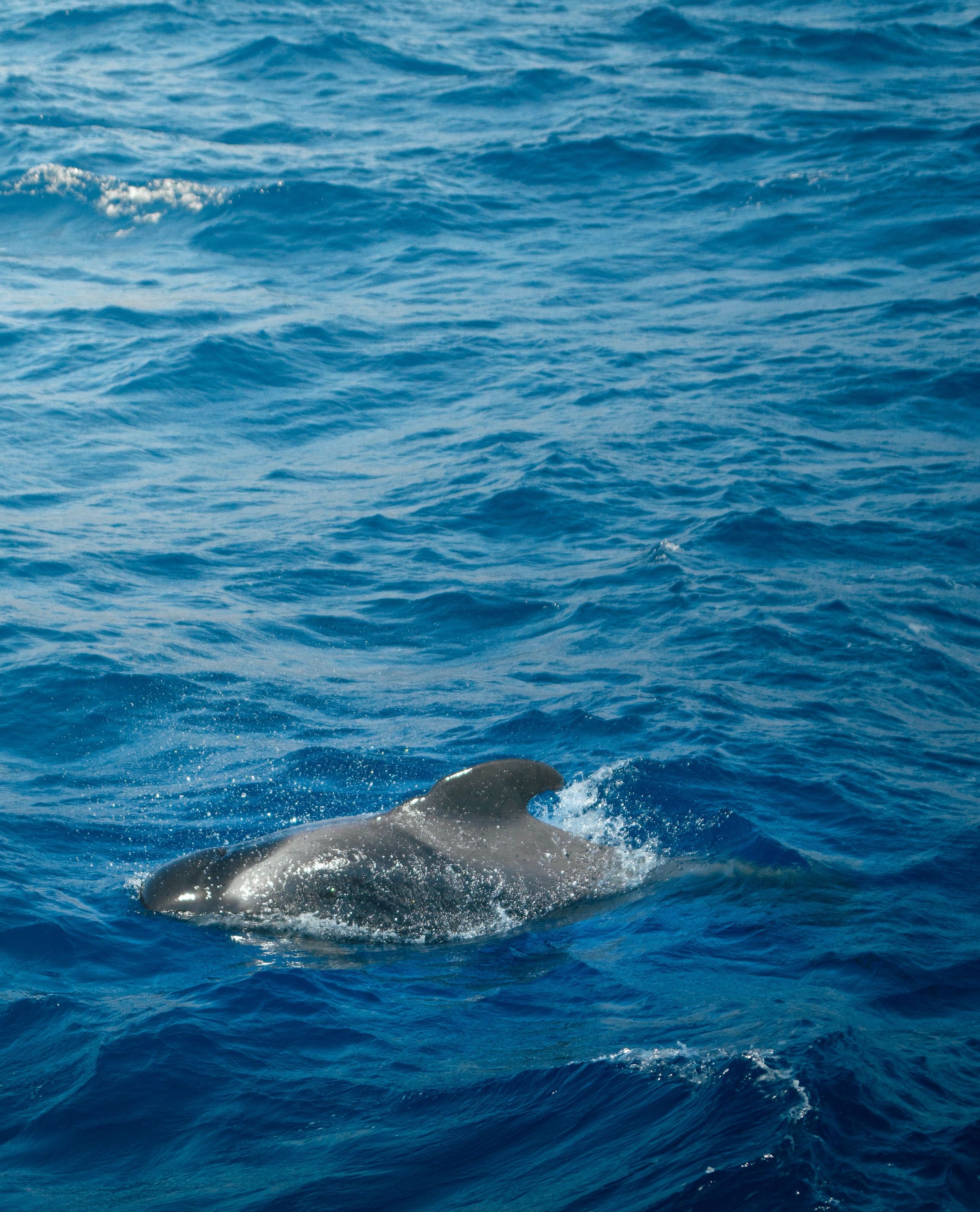
One of the most important differences between planning around an event and planning around wildlife is certainty. A Carnival parade has a scheduled date. A festival has a published program. A whale does not. Aurora activity cannot be guaranteed, and even a destination known for whales may experience a day with fewer sightings. That uncertainty is not a weakness of nature-based cruising; it is part of what makes it different from event tourism.
The best approach is therefore to plan around the season rather than promise a specific encounter. Alaska's whales are seasonal visitors, Patagonia's whales and elephant seals follow their own annual cycles, and auroras depend on darkness, cloud cover and solar activity. Give the itinerary enough time and flexibility to make the natural experience possible, and consider adding land-based days when the phenomenon is important enough to justify it.
Turn the Cruise Into a Calendar of Experiences
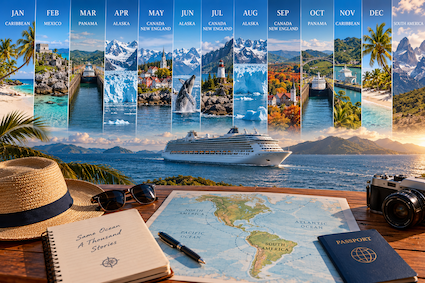
The most interesting way to think about cruising through the Americas is to stop treating the calendar as a list of departure dates and start treating it as a map of moments. February can mean Carnival in Rio. April can mean cherry blossoms in Vancouver and Jazz & Arts in Saint Lucia. June can mean whales in Alaska or the arrival of southern right whales in Patagonia. July and August can bring Caribbean Carnival celebrations and the height of Alaska's summer. September and October open the possibility of auroras in Alaska while Patagonia enters a rich wildlife period. November can turn a Caribbean port into a culinary experience, and December can mean Christmas in the Caribbean or the beginning of a voyage toward Antarctica.
That approach changes the question travelers ask when choosing a cruise. Instead of asking only, “Where does the ship go?”, ask, “What will be happening there when I arrive?” A cruise can then become the framework for a much larger journey: a festival, a migration, a bloom, a wildlife season, a cultural celebration or a holiday spent at sea. The ship provides the connection between the places, but the calendar provides the story.
Plan the Date First, Then the Cruise
The strongest strategy for event- and nature-focused cruising is to choose the phenomenon first, identify its reliable seasonal window, and only then search for the cruise itinerary that fits. For fixed events such as Rio Carnival or the Saint Lucia Jazz & Arts Festival, work backward from the published dates and allow additional days before and after the event. For wildlife and natural phenomena, build in flexibility and avoid treating a seasonal window as a guarantee. For auroras, for example, an Alaska cruise can be part of the experience, but adding inland time may make more sense if the lights are the primary reason for the trip.
The result is a different kind of cruise vacation. Instead of simply moving from port to port, the traveler follows the rhythm of the Americas itself: whales arriving, flowers opening, festivals beginning, glaciers reflecting the summer light, forests changing color, auroras returning to the dark sky and southern waters opening for voyages toward Patagonia and Antarctica. The ship is still the hotel, restaurant and transportation, but the calendar becomes the real itinerary.
By Marbel Montoya for
Ruta Pantera on 9/25/2026 7:24:11 PM
|

 ------

 Add this article to your favorites
[FOR MEMBERS ONLY]






















 COLOMBIA
 VENEZUELA
 BRASIL
 ARGENTINA
 COSTA RICA
 NICARAGUA
 MEXICO
 PERU
 BOLIVIA
 URUGUAY
 CHILE
 GUATEMALA
 HONDURAS
 HAITI
 PANAMA
 CANADA

