 |
So Many Places To Visit!
|
----------- |

Mexico Related Articles: |
MEXICO -- NATURAL AREA -----------------103[ARTICLE] | |||
MeridaBy Heydi Bernal for Ruta Pantera on 6/27/2026 8:38:57 PM |
||||
|
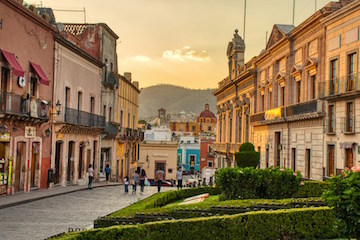
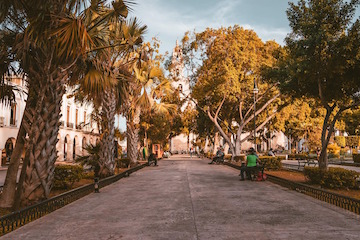
Mérida, the capital of Yucatán, lies in the northwestern part of the peninsula, about 35 kilometers south of the Gulf of Mexico. Founded by Francisco de Montejo in 1542 on the site of the Maya settlement of T'Hó, the city grew into the political and cultural center of Yucatán. Its historic streets and grand mansions reflect the wealth generated by the nineteenth-century henequen industry, while Maya traditions remain visible in the language, food, markets, festivals and daily life. Today, Mérida combines colonial architecture, contemporary culture and easy access to some of the Yucatán Peninsula’s most important archaeological sites and cenotes. Colonial Streets And Maya Heritage The historic center is the natural place to begin exploring Mérida. Around Plaza Grande are the Cathedral of Mérida, the Palacio de Gobierno, Casa de Montejo and the former convent of San Francisco, while nearby streets are filled with restored colonial buildings, galleries, cafés and small restaurants. The Paseo de Montejo, inspired partly by European boulevards, is lined with elaborate mansions built during the height of the henequen boom and provides a different perspective on the city’s nineteenth-century prosperity. Maya culture is not simply part of Mérida’s past. Yucatec Maya is still spoken in the region, traditional clothing and music remain part of local life, and Maya ingredients form the foundation of Yucatecan cuisine. The city is also known for its cultural programming, including the weekly Serenata Yucateca at Parque de Santa Lucía, where visitors can experience trova, jarana and traditional dances. |
||||

|
One of the most distinctive annual traditions is Hanal Pixán, the Yucatecan Maya celebration honoring deceased relatives. In late October and early November, altars, food, processions and the Paseo de las Ánimas bring this tradition into the streets, offering travelers an opportunity to experience a living cultural practice rather than a staged attraction. The Taste Of Yucatán Food is one of the strongest reasons to visit Mérida. Cochinita pibil, traditionally slow-cooked pork seasoned with achiote, is perhaps the region’s best-known dish, while sopa de lima, papadzules, relleno negro, poc chuc and panuchos reveal the depth of Yucatecan cooking. Local markets such as Lucas de Gálvez are good places to experience everyday food at considerably lower prices than in many restaurants. Meals at casual local restaurants commonly cost around US$6–15 per person, while contemporary restaurants and established culinary destinations can be considerably more expensive. Mérida has also developed a sophisticated restaurant scene that combines Maya and Yucatecan ingredients with modern techniques, making food an important part of the destination rather than simply a practical necessity. |
|||
 Add this article to your favorites
[FOR MEMBERS ONLY]
Add this article to your favorites
[FOR MEMBERS ONLY]
Copy this link to send this article to a friend: [FOR MEMBERS ONLY] |
||||

|
Cenotes, Archaeology And The Yucatán Landscape Mérida is particularly valuable as a base for exploring the surrounding peninsula. The archaeological site of Uxmal, about 80 kilometers south of the city, is one of the finest examples of Maya architecture in the Puuc region. Its Pyramid of the Magician, Governor’s Palace and intricate stone decoration provide a different experience from the better-known ruins of Chichén Itzá. The region is also famous for cenotes, natural limestone sinkholes created by the underground water system that runs beneath the Yucatán Peninsula. Around Cuzamá, Homún and other communities east and southeast of Mérida, travelers can swim in clear freshwater pools inside caves or open limestone formations. Some cenotes are developed with changing areas and restaurants, while others remain much more rustic. For a broader understanding of Maya history, the Gran Museo del Mundo Maya in Mérida presents archaeological objects, historical material and contemporary perspectives on Maya culture. A visit here works particularly well before traveling to Uxmal or other archaeological sites because it provides context for what visitors will see in the landscape. |
|||
| Weather, Access And Where To Stay Mérida has a hot tropical climate. From November through March, temperatures are generally more comfortable, although warm afternoons remain common. April and May are among the hottest months, while June through October brings greater humidity and frequent rain, often in short afternoon storms. Travelers visiting during the hotter months should plan outdoor activities for the morning and carry water, sunscreen and light clothing. Mérida International Airport, officially Manuel Crescencio Rejón International Airport, is located only a few kilometers southwest of the city center and receives domestic and international flights. The city is also connected by highways and long-distance buses with Cancún, Playa del Carmen, Campeche and other destinations across the peninsula. Within the historic center, walking is often the easiest way to explore, while taxis, ride-hailing services and buses are useful for longer distances. Accommodation ranges from inexpensive hostels and guesthouses to boutique hotels occupying restored colonial mansions. Budget travelers can find rooms from roughly US$15–30 per night, while comfortable mid-range and boutique properties commonly range from US$70–160 or more depending on the season and location. Staying around Centro Histórico makes it easier to reach the main plazas, restaurants, markets and cultural attractions without relying constantly on transportation. A three- to four-night stay allows enough time to explore central Mérida, experience its food and cultural scene and make at least one excursion outside the city. Travelers interested in archaeology, cenotes and smaller Yucatecan communities can easily use Mérida as a base for a week or longer. |
||||
| Practical Tips Comfortable shoes are essential for walking through the historic center and archaeological sites, while insect repellent is useful when visiting cenotes and rural areas. Carry some Mexican pesos because markets, small food stalls and rural attractions may not accept cards. When swimming in cenotes, visitors should follow local rules, avoid sunscreen immediately before entering the water when requested, and respect the ecological character of these fragile freshwater systems. Mérida is a destination where the past remains part of the present. Spanish colonial architecture, the legacy of the henequen boom, Maya language and traditions, Yucatecan food and the extraordinary underground water system of the peninsula all meet within reach of the city center. For travelers exploring Yucatán, Mérida offers not only a comfortable base for discovering the region but also a destination with its own distinct cultural identity. |
||||
| --rutapanter.com-- | ||
|
References: Secretaría de Fomento Turístico de Yucatán. (2026). Yucatán Travel and Tourism Information. Instituto Nacional de Antropología e Historia. (2026). Zona Arqueológica de Uxmal. Instituto Nacional de Antropología e Historia. (2026). Gran Museo del Mundo Maya. UNESCO. (2026). Pre-Hispanic Town of Uxmal. Visit Mérida. (2026). Official Tourism Information.
| |
|
| Instagram: | Email contact: | Interest area: Culture |

Las Vegas, Nevada, USA
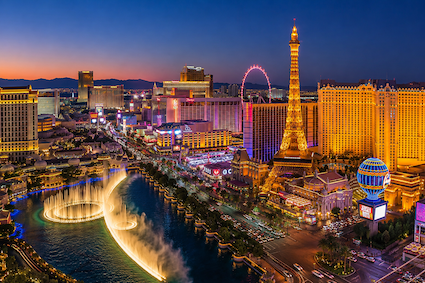
Las Vegas is a city built around spectacle, imagination, and constant reinvention. Rising from the Mojave Desert in southern Nevada, it has transformed from a railroad [read more.]
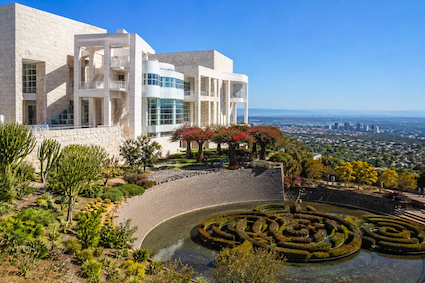
The Getty Center, Los Angeles, California, USA
Perched high in the Santa Monica Mountains above Los Angeles, the Getty Center is much more than a museum. Designed by American architect Richard Meier and opened in 19 [read more.]
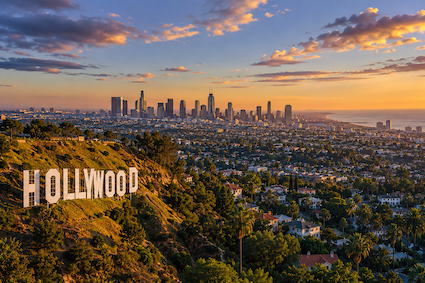
Los Angeles, California, USA
Los Angeles is a city built on movement, creativity, and reinvention. Stretching from the Santa Monica Mountains to the Pacific Ocean, it combines the glamour of Hollyw [read more.]
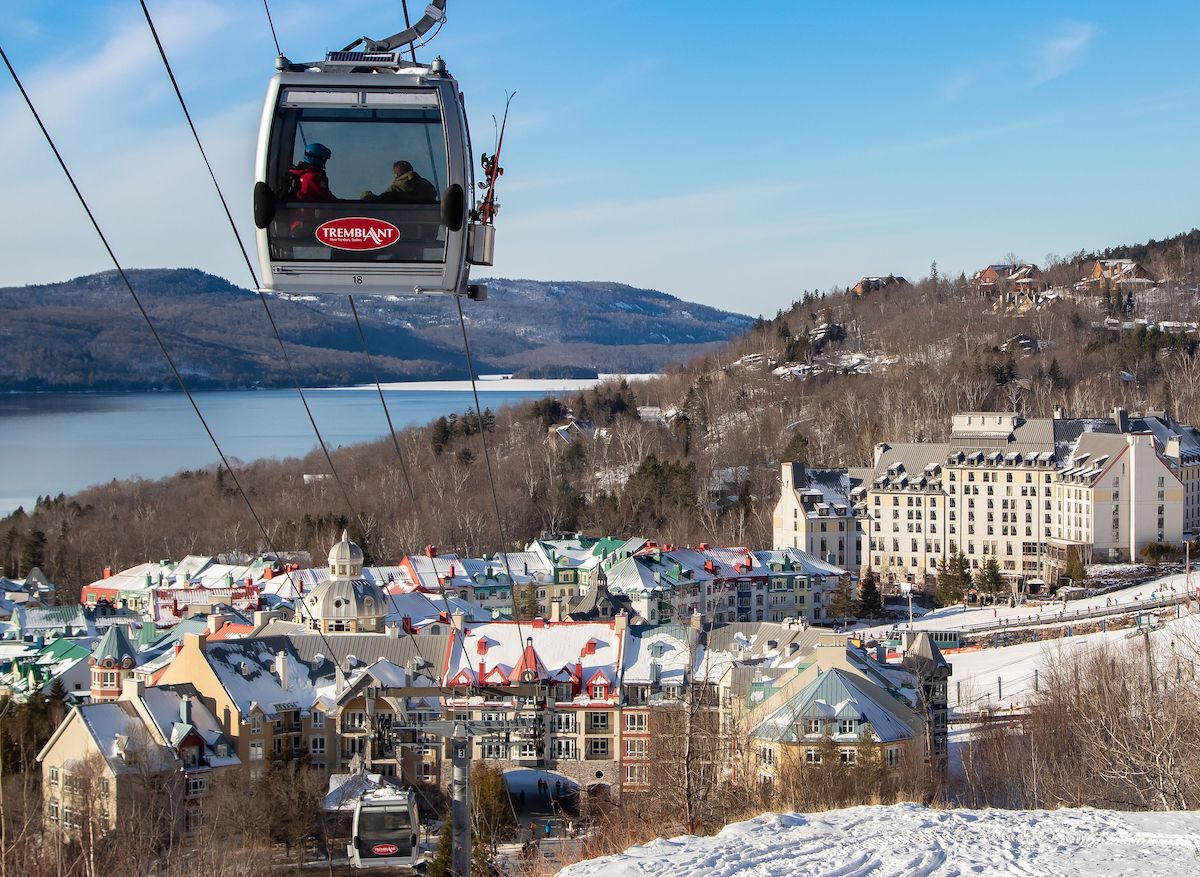
Mont-Tremblant, Canada
Mont-Tremblant, in the province of Quebec, Canada, is a city located in the Laurentian Mountains, about 125 kilometers from Montreal. Although sometimes informally refe [read more.]
To see more Waypoints in North America, please become a member here.
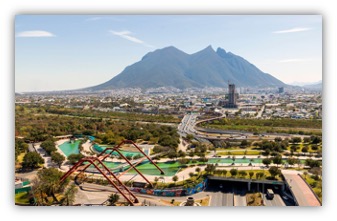
Monterrey, Mexico
Monterrey, capital of Nuevo León, is one of northern Mexico's most important cities and a destination where industrial history, contemporary culture, regional cuisin [read more.]
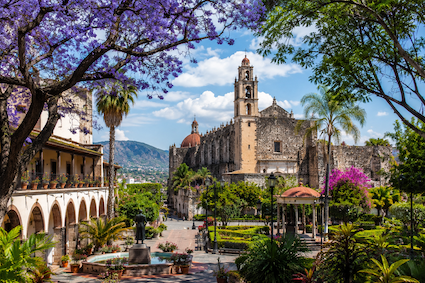
Cuernavaca, México
Cuernavaca is a city of gardens, historic estates, ancient traditions, and a remarkably mild climate. Located in the state of Morelos, approximately 85 kilometers south [read more.]
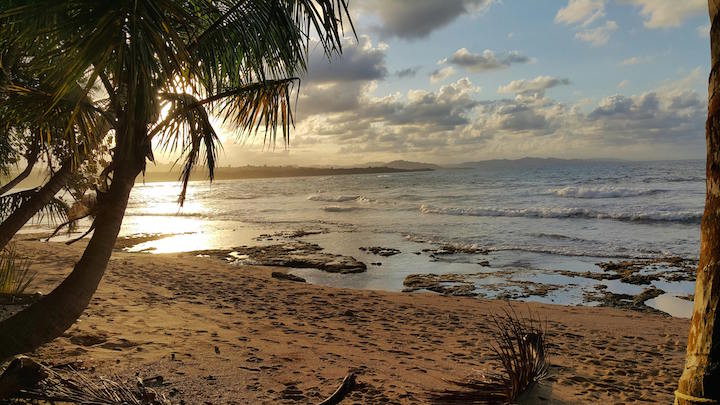
Costa Rica, Lemon
Limón, officially Puerto Limón, is Costa Rica's Caribbean gateway and a city whose identity was shaped as much by migration as by the sea. Christopher Columbus arri [read more.]
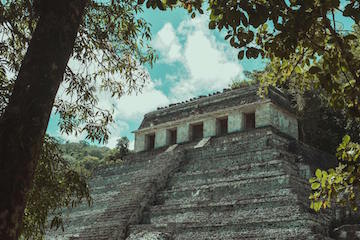
Palenque, Mexico
Palenque is one of the most remarkable places in the Maya world, where monumental architecture, rainforest and the history of a powerful ancient dynasty come together. [read more.]
To see more Waypoints in Central America, please become a member here.
Lagoon Quilotoa, Ecuador
Quilotoa is one of Ecuador’s most spectacular high-altitude landscapes: a water-filled volcanic caldera set at approximately 3,914 meters in the Andes of Cotopaxi Pro [read more.]
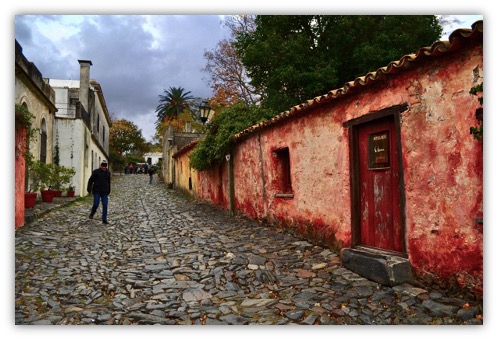
Sacramento Colony, Uruguay.
Colonia del Sacramento is one of Uruguay’s most atmospheric destinations, a small city on the Río de la Plata where Portuguese and Spanish history survives in street [read more.]
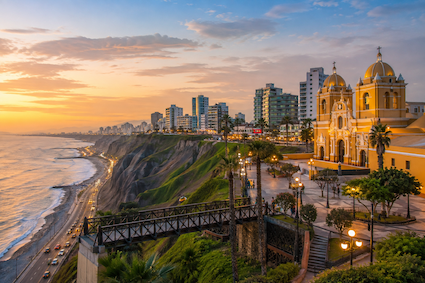
Lima, Perú
Lima is a city where Peru's ancient civilizations, colonial history, Pacific coastline, and contemporary creativity converge. Set along dramatic coastal cliffs overlo [read more.]
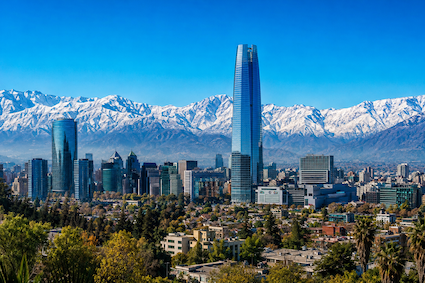
Santiago, Chile
Santiago is a city defined by contrasts: a sophisticated modern capital surrounded by the dramatic peaks of the Andes, a historic center shaped by centuries of Chilean [read more.]
To see more Waypoints in South America, please become a member here.
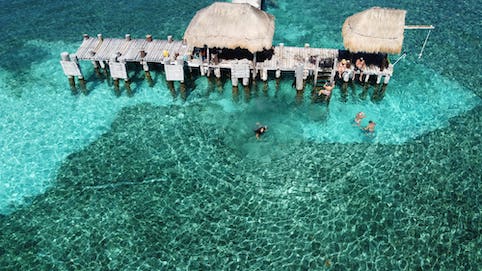
Isla Mujeres, México
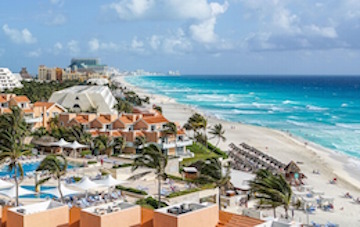
Cancún, Caribbean
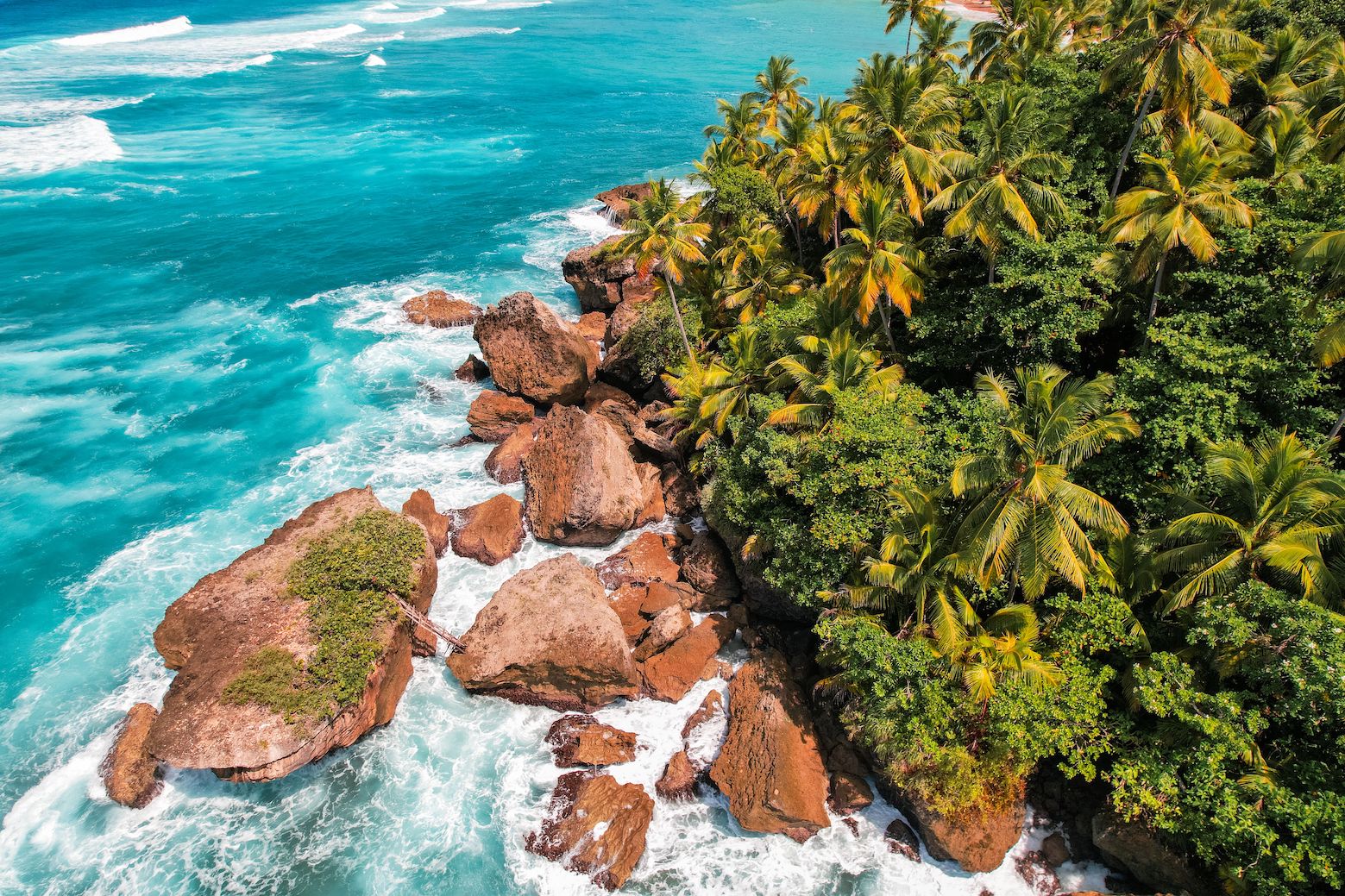
Dominica, Caribbean
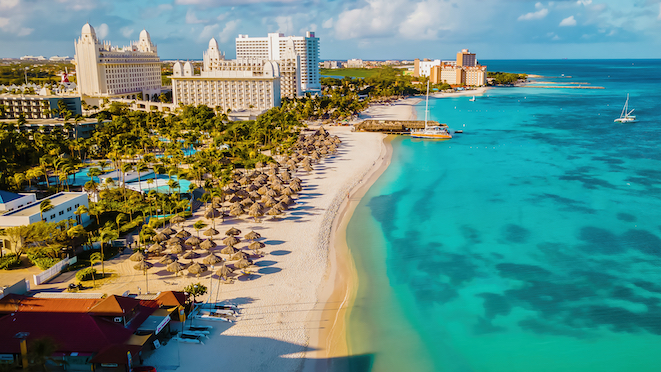
The Bahamas
To see more Waypoints in The Caribbean, please become a member here.

|
Waypoint Finder (Over 1,000 destinations in PanAmerica) |
|---|

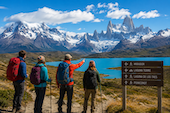
Nature
Tours that connect us with nature.
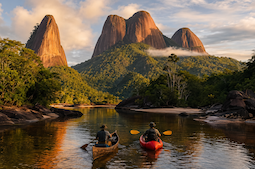
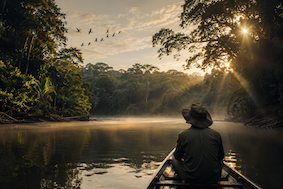
Explore the Tambopata Amazon Reserve
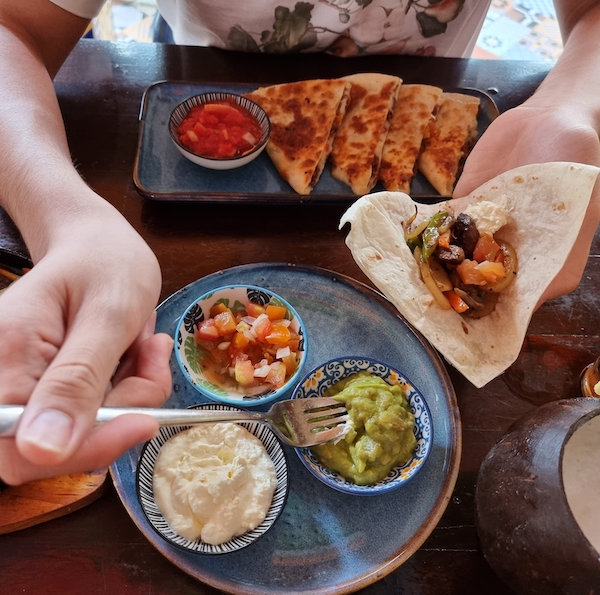
Food & Culture
What's coming up of interest to tourism specialists in Pan America.
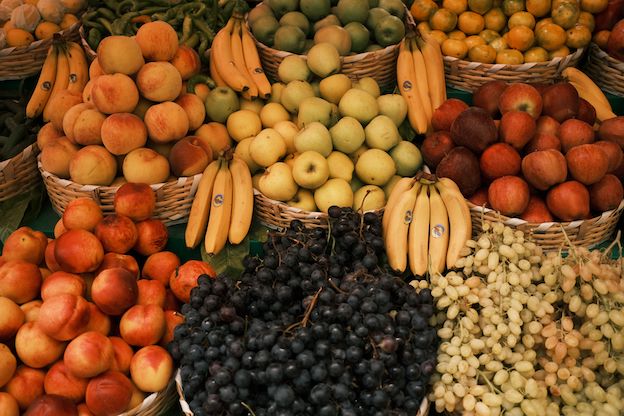
Real City Tours – Exotic Fruits Tour in Medellín, Colombia
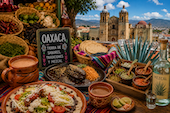
Oaxaca Food & Culture Tour – A Culinary Journey Through Mexico’s Indigenous Flavors
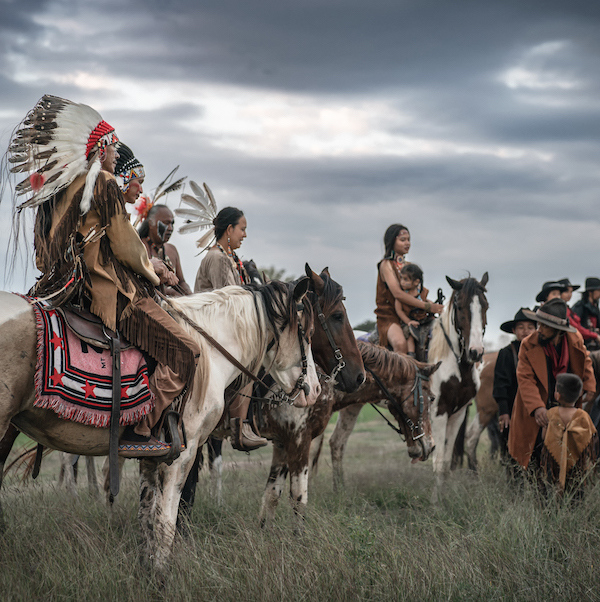
Indigenous Tours
Fashion, romance and wellness for travelers seeking confidence and style.
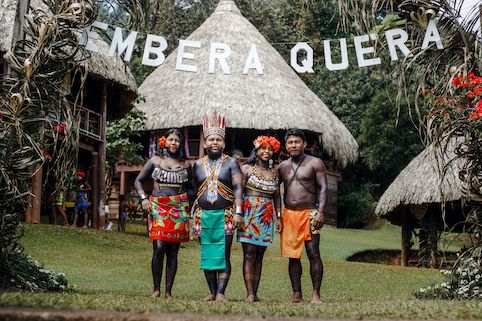
Experience the Emberá of the Darién – On the Only Expedition Operated by An Indigenous Community
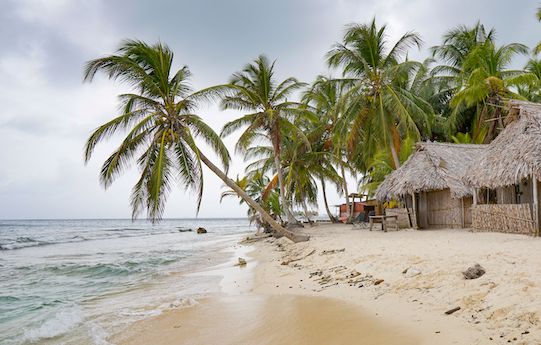
Indigenous Cultural Tour Guna Yala – Discover the Exotic San Blas Islands
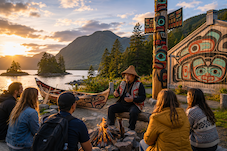
Indigenous Canada Tour – Explore First Nations, Inuit And Métis Cultures
Outdoor Sports
Fashion, romance and wellness for travelers seeking confidence and style.
North Patagonia Ice Field Expedition Tour In Chile