 |
So Many Places To Visit!
|
----------- |

Costa Rica Related Articles: |
COSTA RICA -- NATURAL AREA -----------------183[ARTICLE] | |||
Barra del Colorado, Costa RicaBy Estefanía Muriel for Ruta Pantera on 9/9/2026 10:16:26 AM |
||||
|
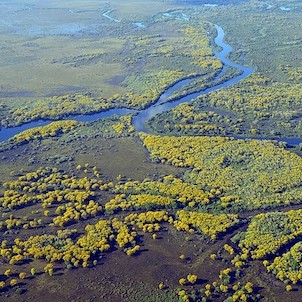
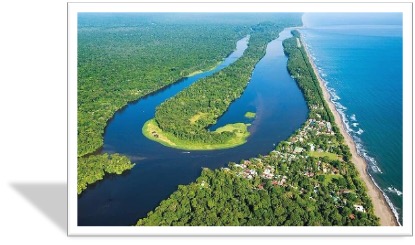
Barra del Colorado is a remote Caribbean outpost in northeastern Costa Rica, in the province of Limón, bordering Nicaragua along the San Juan River. Created in 1985, the Barra del Colorado National Wildlife Refuge covers approximately 81,177 hectares of coastal areas, rivers, lagoons, herbaceous wetlands, flooded forests, and low hills. It is a Mixed Wildlife Refuge, meaning conservation takes place alongside communities living within the protected area, making rural community tourism part of its identity. The refuge also forms part of the Northeastern Caribbean Wetland, a Ramsar Wetland of International Importance recognized for its extensive aquatic ecosystems and importance to migratory birds. What Makes Barra del Colorado Unique Barra del Colorado is one of Costa Rica's most important wetland landscapes and the country's second-largest continental protected wild area. Its mosaic of rivers, canals, lagoons, marshes, flooded forests, and Caribbean coastline creates habitat for species including manatees, tapirs, jaguars, ocelots, monkeys, crocodiles, caimans, and the great green macaw. The refuge is also part of a larger ecological corridor connecting Costa Rica's Caribbean protected areas with Nicaragua's Indio Maíz Biological Reserve. The Northeastern Caribbean Wetland is an important stopover for migratory birds, with Ramsar documentation estimating that more than one million birds use the wetland annually. Its geography is what defines the experience. There are few conventional roads inside the refuge, and waterways are the natural routes through the landscape. Boats and small watercraft move between communities, rivers, lagoons, and canals, giving visitors a very different perspective on Costa Rica's Caribbean lowlands. The protected area is also unusual because much of its conservation model incorporates sustainable community use rather than excluding human settlement altogether. |
||||

|
Highlights You Can't Miss Sport fishing has long been one of Barra del Colorado's best-known attractions, particularly for anglers interested in tarpon and snook. The surrounding rivers and channels are also ideal for wildlife observation, with guided boat trips offering opportunities to see birds, monkeys, reptiles, and other species along the water's edge. A local guide is highly recommended because knowledge of the waterways, wildlife, weather, and changing river conditions makes a substantial difference to the experience. The waterways themselves are the attraction. Rather than following a conventional sightseeing circuit, visitors spend time moving slowly through canals, lagoons, and river channels, where the forest often comes directly to the water. This is a destination for travelers who value observation, fishing, photography, birdwatching, and immersion in a remote tropical environment rather than a long list of formal attractions. |
|||
 Add this article to your favorites
[FOR MEMBERS ONLY]
Add this article to your favorites
[FOR MEMBERS ONLY]
Copy this link to send this article to a friend: [FOR MEMBERS ONLY] |
||||

|
Options to Continue Discovering South of Barra del Colorado lies Tortuguero National Park, established in 1970 and now covering approximately 76,937 hectares, including both terrestrial and marine areas. The park is internationally recognized for protecting one of the most important green turtle nesting beaches in the Western Hemisphere. Its network of canals and wetlands provides a natural continuation of the ecosystems found around Barra del Colorado. The wider region is also part of the Northeastern Caribbean Wetland, designated a Ramsar Wetland of International Importance in 1996. The Ramsar site incorporates portions of several protected areas, including Barra del Colorado National Wildlife Refuge, Tortuguero National Park, the Northern Border Corridor Wildlife Refuge, and the Tortuguero Protected Zone. Cerro Tortuguero, located within the refuge's southeastern sector, provides another perspective on the landscape. Rising to 119 meters above sea level, it is considered the highest point along Costa Rica's Caribbean coast and offers panoramic views over the forest and surrounding waterways. The site is also an important habitat for local wildlife. |
|||
| The Best Way to Access the Place Barra del Colorado is a destination where the journey is part of the experience. From San José, travelers can follow Route 32 toward the Caribbean and continue along Route 247 toward Cariari and Puerto Lindo. The final approximately 32 kilometers are on a gravel road. From Puerto Lindo, a passenger boat takes roughly one hour to reach the coastal sector of Barra del Colorado. Costa Rica's tourism authorities also identify air and sea travel as the principal ways of reaching the coastal sector, with domestic flights taking approximately 35 minutes from San José. For travelers using the public boat, the regulated maximum passenger fare on the Puerto Lindo–Barra del Colorado route is currently ₡4,100, according to the Costa Rican public-utilities regulator. The tariff took effect July 1, 2026, so travelers should confirm departure times locally before traveling because schedules and river conditions can affect service. Accommodation in the immediate area is limited and oriented toward nature-based tourism. Travelers combining Barra del Colorado with Tortuguero will find a wider selection of ecolodges there. For example, Pachira Lodge currently publishes accommodation-and-meal packages and separate bed-and-breakfast rates, with prices varying by season and occupancy. Its published 2026 rates should be checked directly before booking rather than relying on older fixed prices. |
||||
| Climate and Best Time to Visit This is one of Costa Rica's wettest environments. The refuge receives roughly 6,000 millimeters of rain annually, while average relative humidity is around 88 percent. Temperatures generally remain warm throughout the year, commonly ranging from approximately 25°C to 30°C. There is no truly dry season, so visitors should expect rain, humidity, muddy ground, and rapidly changing conditions regardless of the month. For travelers prioritizing easier movement and outdoor activities, the relatively drier periods are generally more comfortable, but conditions vary from year to year. Wildlife viewing can be rewarding throughout the year, and travelers interested in turtles should plan around the seasonal nesting activity on the Caribbean coast and check current local conservation guidance before visiting nesting beaches. Practical and Safety Tips Bring lightweight, quick-drying clothing, insect repellent, sunscreen, a waterproof jacket or rain poncho, and footwear suitable for wet and muddy conditions. A dry bag is useful for protecting phones, cameras, and other equipment during boat transfers. Because waterways are the main transportation network, follow the instructions of boat operators and local guides, particularly during heavy rain or changing river conditions. Wildlife should always be observed from a respectful distance. Do not feed animals, approach nesting turtles, enter restricted areas, or attempt to handle reptiles or other wildlife. Avoid swimming in unfamiliar rivers, canals, or lagoons, where currents and wildlife can present risks. Services are limited compared with Costa Rica's more developed destinations, so carry sufficient water, basic supplies, and some cash in Costa Rican colones. There are no conventional urban services or extensive tourist infrastructure inside the refuge. Why Go? Barra del Colorado is not a destination built around monuments, museums, or polished tourist infrastructure. Its appeal is the opposite: a vast Caribbean wetland where rivers replace roads, boats replace buses, and wildlife is part of the landscape rather than an attraction separated from it. Its importance becomes clearer when viewed as part of the larger ecological corridor linking Costa Rica and Nicaragua. For travelers willing to trade convenience for immersion, Barra del Colorado offers one of the country's most authentic encounters with the Caribbean wilderness. |
||||
| --rutapanter.com-- | ||
|
References: Sistema Nacional de Áreas de Conservación. (n.d.). Refugio de Vida Silvestre Barra del Colorado – Sector Cerro Tortuguero. SINAC Área de Conservación Tortuguero. (n.d.). Refugio Nacional de Vida Silvestre Barra del Colorado. ACTO Ramsar Sites Information Service. (n.d.). Northeastern Caribbean Wetland. Ramsar Sites Information Service Instituto Costarricense de Turismo. (n.d.). Caribe Tourist Guide. Costa Rican Tourism Board Autoridad Reguladora de los Servicios Públicos. (2026). Tarifas de las lanchas — Cabotaje Menor. ARESEP Sistema Nacional de Áreas de Conservación. (n.d.). Parque Nacional Tortuguero. SINAC — Tortuguero National Park Pachira Lodge. (2026). Rooms and Rates. Pachira Lodge
| |
|
| Instagram: | Email contact: | Interest area: |

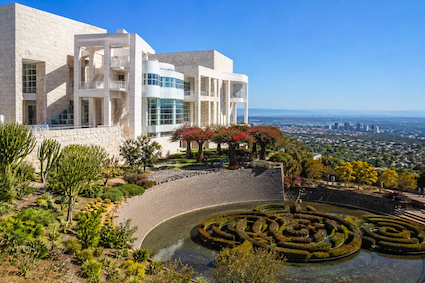
The Getty Center, Los Angeles, California, USA
Perched high in the Santa Monica Mountains above Los Angeles, the Getty Center is much more than a museum. Designed by American architect Richard Meier and opened in 19 [read more.]

Los Angeles, California, USA
Los Angeles is a city built on movement, creativity, and reinvention. Stretching from the Santa Monica Mountains to the Pacific Ocean, it combines the glamour of Hollyw [read more.]
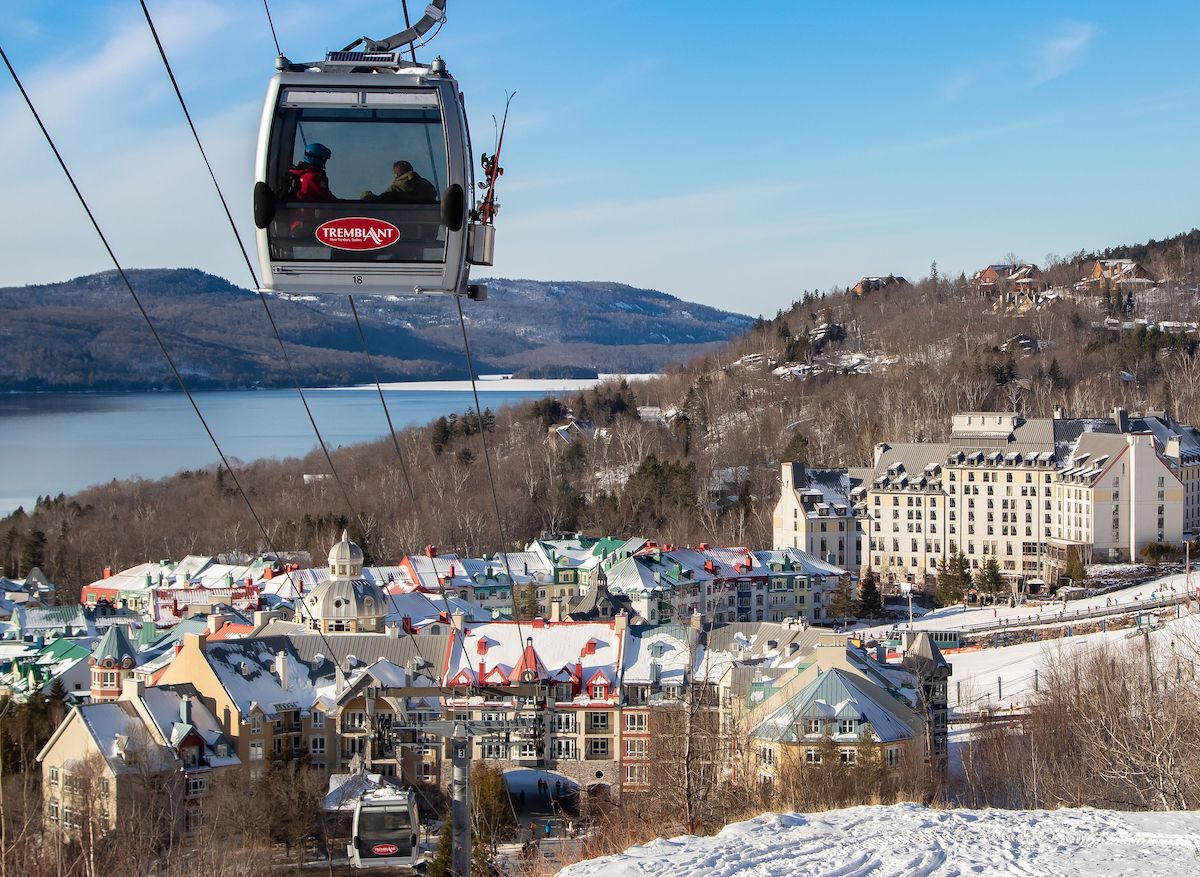
Mont-Tremblant, Canada
Mont-Tremblant, in the province of Quebec, Canada, is a city located in the Laurentian Mountains, about 125 kilometers from Montreal. Although sometimes informally refe [read more.]
Seattle, Washington, USA
Seattle is a city where water, mountains, forests, and contemporary urban culture come together to create one of the most distinctive destinations on the Pacific Coast. [read more.]
To see more Waypoints in North America, please become a member here.
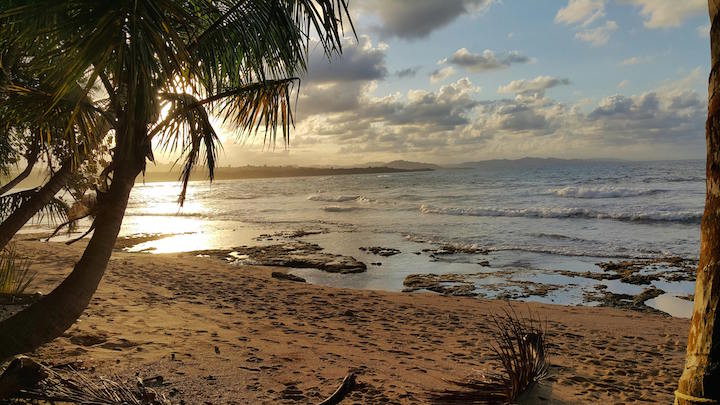
Costa Rica, Lemon
Limón, officially Puerto Limón, is Costa Rica's Caribbean gateway and a city whose identity was shaped as much by migration as by the sea. Christopher Columbus arri [read more.]
Palenque, Mexico
Palenque is one of the most remarkable places in the Maya world, where monumental architecture, rainforest and the history of a powerful ancient dynasty come together. [read more.]
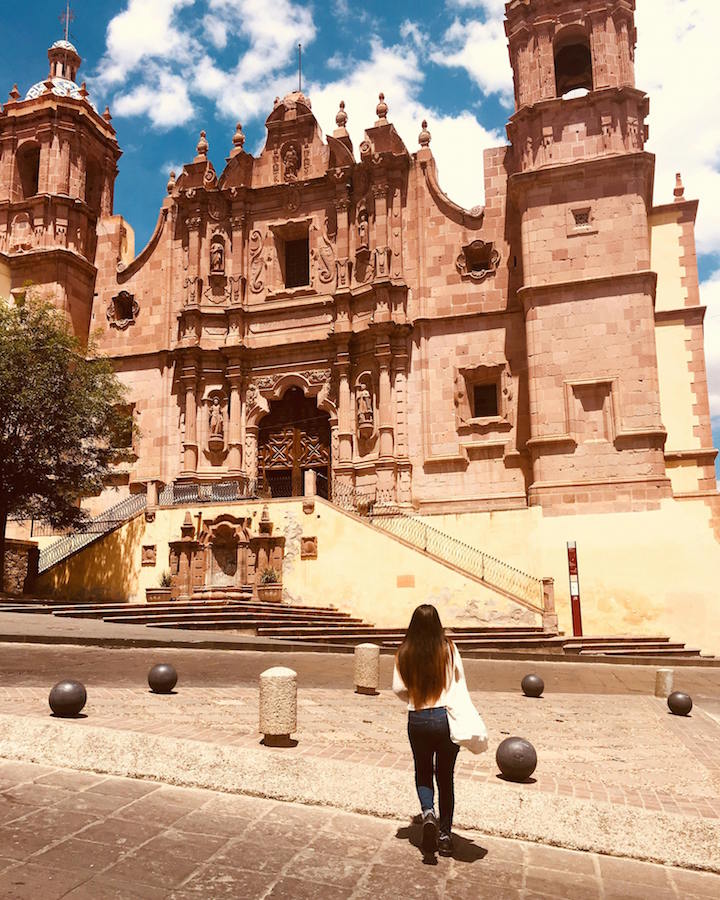
Zacatecas, Mexico
Zacatecas rose from the discovery of rich silver deposits in 1546 to become one of the most prosperous mining centers of New Spain. Built across the steep slopes of a n [read more.]
Guatemala City
Guatemala City sits in the highlands at more than 1,400 meters above sea level, surrounded by volcanoes and built over a landscape that has been inhabited for centuries [read more.]
To see more Waypoints in Central America, please become a member here.
Lagoon Quilotoa, Ecuador
Quilotoa is one of Ecuador’s most spectacular high-altitude landscapes: a water-filled volcanic caldera set at approximately 3,914 meters in the Andes of Cotopaxi Pro [read more.]
Sacramento Colony, Uruguay.
Colonia del Sacramento is one of Uruguay’s most atmospheric destinations, a small city on the Río de la Plata where Portuguese and Spanish history survives in street [read more.]
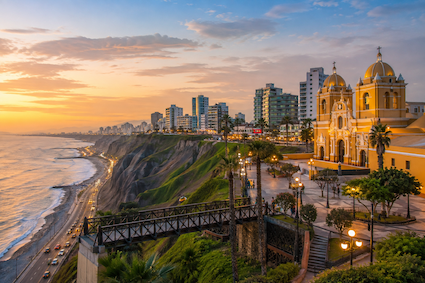
Lima, Perú
Lima is a city where Peru's ancient civilizations, colonial history, Pacific coastline, and contemporary creativity converge. Set along dramatic coastal cliffs overlo [read more.]
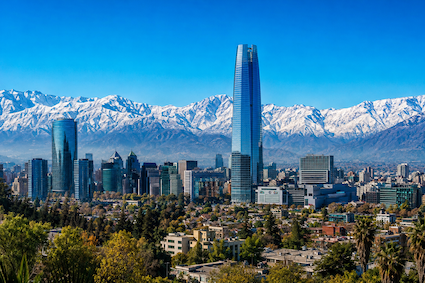
Santiago, Chile
Santiago is a city defined by contrasts: a sophisticated modern capital surrounded by the dramatic peaks of the Andes, a historic center shaped by centuries of Chilean [read more.]
To see more Waypoints in South America, please become a member here.
The Bahamas
Dominican Republic
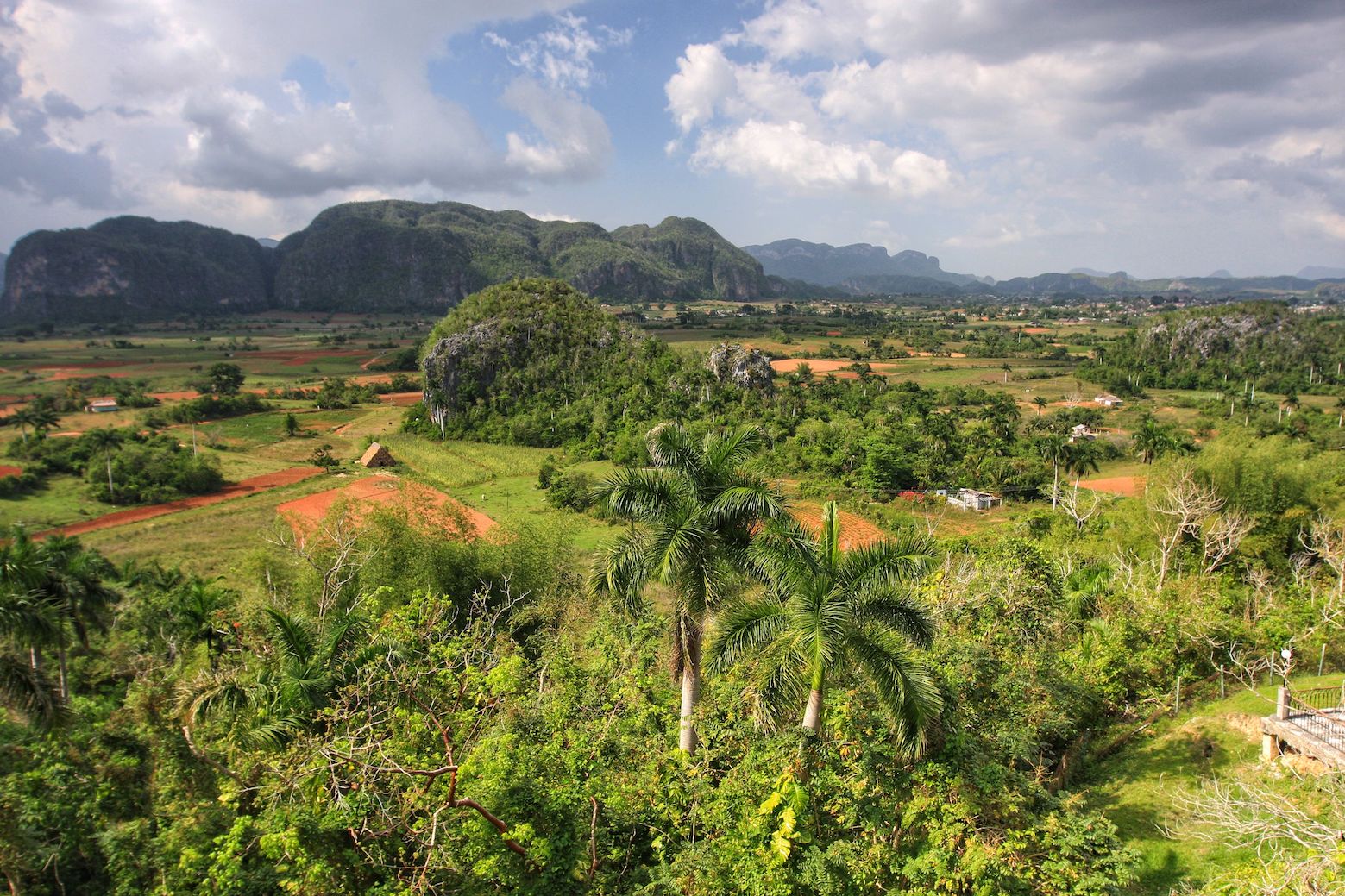
Viñales, Cuba
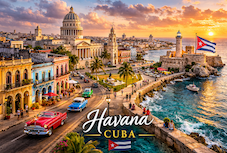
Havana, Cuba
To see more Waypoints in The Caribbean, please become a member here.

|
Waypoint Finder (Over 1,000 destinations in PanAmerica) |
|---|

Nature
Tours that connect us with nature.
Explore the Tambopata Amazon Reserve
Food & Culture
What's coming up of interest to tourism specialists in Pan America.
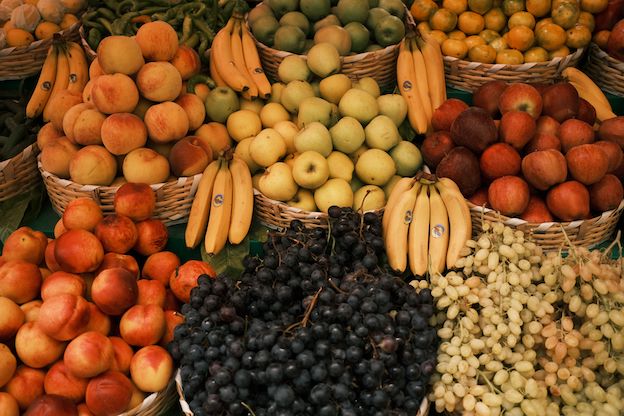
Real City Tours – Exotic Fruits Tour in Medellín, Colombia
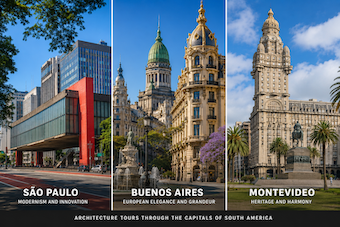
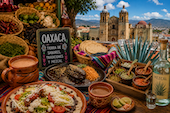
Oaxaca Food & Culture Tour – A Culinary Journey Through Mexico’s Indigenous Flavors
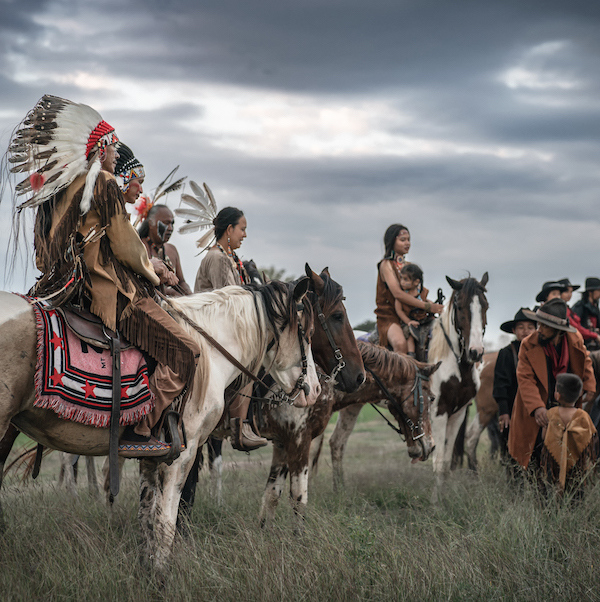
Indigenous Tours
Fashion, romance and wellness for travelers seeking confidence and style.
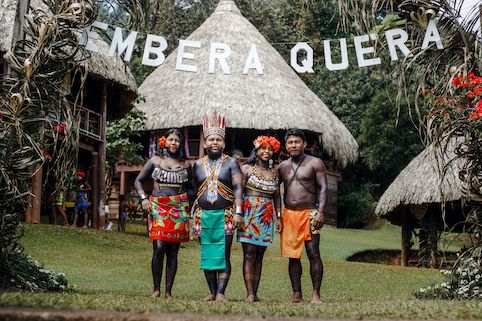
Experience the Emberá of the Darién – On the Only Expedition Operated by An Indigenous Community
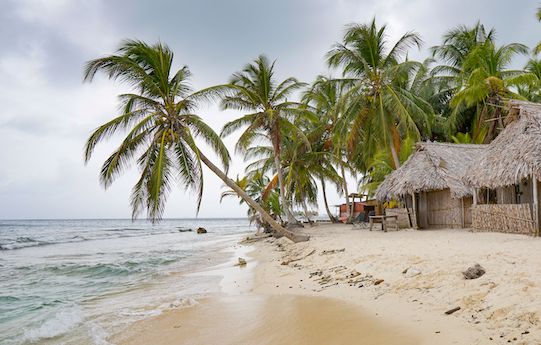
Indigenous Cultural Tour Guna Yala – Discover the Exotic San Blas Islands
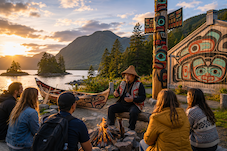
Indigenous Canada Tour – Explore First Nations, Inuit And Métis Cultures
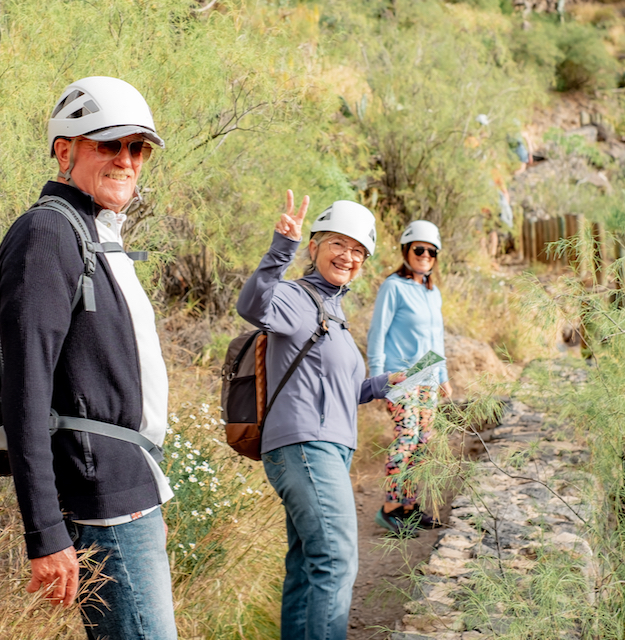
Outdoor Sports
Fashion, romance and wellness for travelers seeking confidence and style.
North Patagonia Ice Field Expedition Tour In Chile