 |
So Many Places To Visit!
|
----------- |

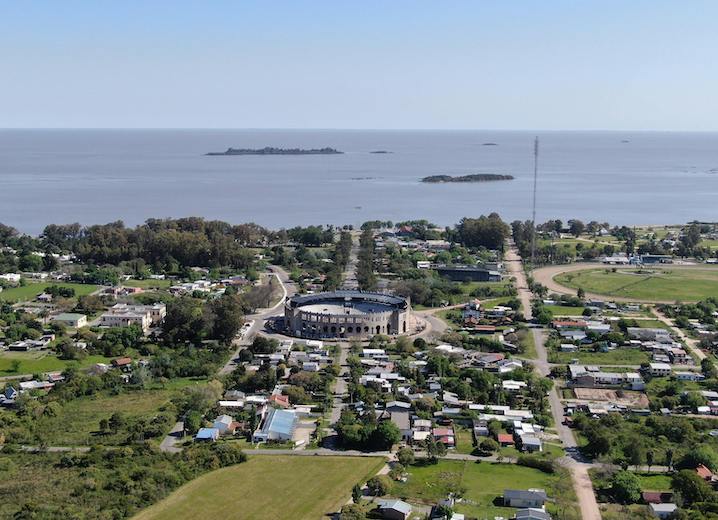
Colonia del Sacramento, on Uruguay's west coast across from Buenos Aires, is a magnet for those seeking photogenic appeal, cobblestone streets, and a slow pace. Photo: Ezequiel Barroso/Pexels. 
Uruguay Related Articles: |
URUGUAY -- SMALL TOWN -----------------230[ARTICLE] | |||
Colonia del Sacramento, UruguayThe Historic Riverfront City Where Portuguese Heritage and Río de la Plata Charm MeetBy Estefanía Muriel for Ruta Pantera on 9/14/2026 4:32:39 AM |
||||
|
Colonia del Sacramento sits on Uruguay's western coast facing Buenos Aires across the Río de la Plata, a compact historic city known for cobblestone streets, low colonial buildings, riverfront sunsets, and an unusually relaxed pace. Founded by the Portuguese in 1680, the settlement became a strategic point of conflict between Portuguese and Spanish powers before eventually becoming part of Uruguay. Its Historic Quarter was inscribed on the UNESCO World Heritage List in 1995 for its remarkably preserved urban landscape and the distinctive fusion of Portuguese, Spanish, and post-colonial traditions. (whc.unesco.org) A Historic Quarter Built for Wandering The Historic Quarter is the heart of the destination and is best explored on foot. Unlike the rigid grid used in many Spanish colonial cities, Colonia's original Portuguese urban plan adapted to the peninsula's topography, producing narrow cobblestone streets, irregular blocks, small plazas, stone walls, and buildings that remain closely connected to the river. UNESCO considers this surviving urban structure one of the property's defining characteristics. (whc.unesco.org) Calle de los Suspiros is perhaps the city's most recognizable street, with its uneven stones, traditional houses, and proximity to the waterfront. Nearby, the Plaza Mayor, Portón de Campo, and the remains of the old defensive walls reveal Colonia's military past. The white lighthouse, built beside the ruins of the former Convent of San Francisco, has become another defining landmark and provides elevated views over the historic peninsula and Río de la Plata when open to visitors. The historic center also contains several museums operated by the Intendencia de Colonia, including the Portuguese Museum, Spanish Museum, Municipal Museum, and Casa Nacarello. Their collections help explain the city's colonial history and make it possible to explore several small institutions during a single cultural walk. Admission arrangements and opening hours can change, so travelers should check the municipality's current information before visiting. Beyond the old walls, the restored Plaza de Toros Real de San Carlos offers another perspective on Colonia's history. The monumental former bullring is part of the Real de San Carlos complex and can be visited through guided and interpretive experiences. The area also provides access to the waterfront and other attractions outside the Historic Quarter. |
||||

|
River Views, Food, and a Slow Travel Experience Colonia is particularly rewarding when experienced without a strict schedule. The waterfront is ideal for watching the Río de la Plata change color throughout the day, while the old streets become especially atmospheric in the late afternoon. Visitors can combine the Historic Quarter with museums, the lighthouse, the riverfront, and the Real de San Carlos area in a full day, although staying overnight allows time to experience the city after day-trippers have departed. The local restaurant scene makes use of Uruguay's beef, lamb, cheeses, cured meats, and wines. Restaurants and cafés around the Historic Quarter range from casual spots to more refined establishments, while traditional choices include chivitos, grilled meats, regional cheeses, and Tannat. The local medio y medio, a combination of white wine and sparkling wine, is another Río de la Plata specialty associated with the region. Colonia's cultural calendar includes traditional Uruguayan celebrations, local music, arts events, and seasonal activities in the department. The nearby wine-producing areas around Carmelo and other parts of Colonia provide opportunities for winery visits and tastings, particularly during the harvest season. Travelers interested in combining history with food and wine can use Colonia as a base for exploring the wider department. |
|||
 Add this article to your favorites
[FOR MEMBERS ONLY]
Add this article to your favorites
[FOR MEMBERS ONLY]
Copy this link to send this article to a friend: [FOR MEMBERS ONLY] |
||||

|
One of the city's greatest advantages is its accessibility. From Buenos Aires, high-speed ferries operated by companies including Buquebus and Colonia Express connect the two cities across the Río de la Plata, with the crossing generally taking about one to one and a half hours depending on the service. The ferry terminal is close to the Historic Quarter, making it possible to begin exploring almost immediately after arrival. From Montevideo, Colonia is approximately 180 kilometers away by road. Intercity buses provide regular connections, while travelers with a car can follow Route 1. Within the historic center, walking is the easiest way to get around, although bicycles and golf carts are available for visitors who want to explore areas beyond the old city walls. Accommodation ranges from hostels and simple guesthouses to boutique hotels and historic properties. Staying overnight is particularly worthwhile for travelers arriving from Buenos Aires, since it transforms Colonia from a quick day trip into a slower experience of the city. The best time to visit depends on priorities: summer brings longer days and more activity, while the cooler months can offer quieter streets and a more relaxed atmosphere. |
|||
| The cobblestones can become slippery after rain, so comfortable shoes with good traction are useful. Travelers should also check ferry schedules in advance, particularly on weekends and holidays, when demand can increase. The Historic Quarter is compact and generally easy to explore, but early morning and late afternoon are the best times for quieter walks and softer light along the old streets and riverfront. | ||||
| Colonia del Sacramento is one of those destinations where the experience comes less from checking off attractions than from wandering through a remarkably preserved historic landscape. Portuguese fortifications, Spanish colonial influences, modest stone houses, museums, cafés, river views, and the changing light of the Río de la Plata come together in a city that feels intimate rather than monumental. Its proximity to Buenos Aires makes it an easy addition to a regional itinerary, but its strongest appeal is the opportunity to slow down and experience Uruguay's historic riverfront culture at walking pace. | ||||
| --rutapanter.com-- | ||
|
References: United Nations Educational, Scientific and Cultural Organization. (n.d.). Historic Quarter of the City of Colonia del Sacramento. UNESCO World Heritage Centre Intendencia de Colonia. (n.d.). Turismo de Colonia. Colonia Turismo Colonia Express. (n.d.). Buenos Aires–Colonia ferry services. Colonia Express Buquebus. (n.d.). Ferry services between Argentina and Uruguay. Buquebus Turil. (n.d.). Intercity bus services in Uruguay. Turil
| |
|
| Instagram: | Email contact: | Interest area: |

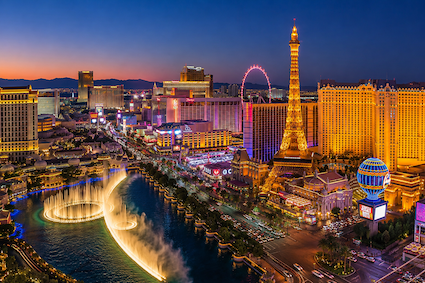
Las Vegas, Nevada, USA
Las Vegas is a city built around spectacle, imagination, and constant reinvention. Rising from the Mojave Desert in southern Nevada, it has transformed from a railroad [read more.]
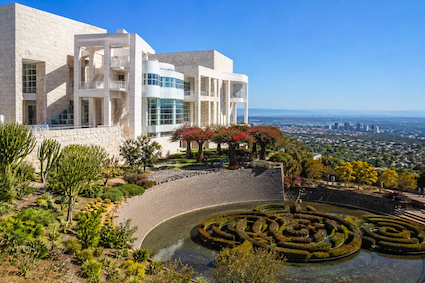
The Getty Center, Los Angeles, California, USA
Perched high in the Santa Monica Mountains above Los Angeles, the Getty Center is much more than a museum. Designed by American architect Richard Meier and opened in 19 [read more.]

Los Angeles, California, USA
Los Angeles is a city built on movement, creativity, and reinvention. Stretching from the Santa Monica Mountains to the Pacific Ocean, it combines the glamour of Hollyw [read more.]
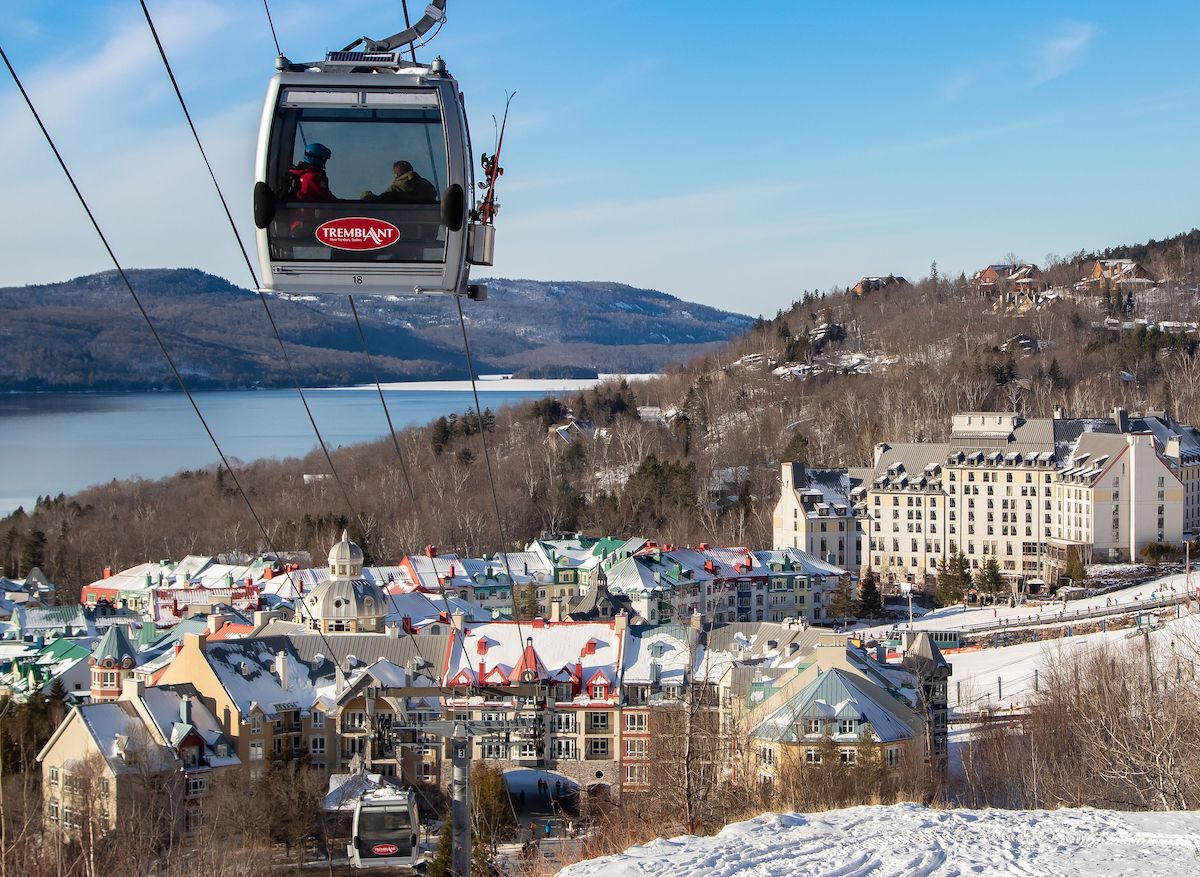
Mont-Tremblant, Canada
Mont-Tremblant, in the province of Quebec, Canada, is a city located in the Laurentian Mountains, about 125 kilometers from Montreal. Although sometimes informally refe [read more.]
To see more Waypoints in North America, please become a member here.
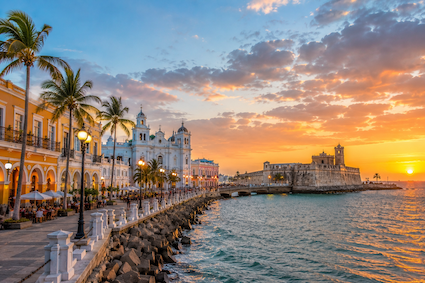
Veracruz, México
Veracruz is one of Mexico's most historically significant coastal cities, a place where the country's colonial history, maritime traditions, Afro-Caribbean influenc [read more.]
Monterrey, Mexico
Monterrey, capital of Nuevo León, is one of northern Mexico's most important cities and a destination where industrial history, contemporary culture, regional cuisin [read more.]
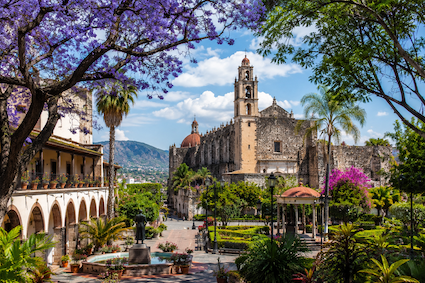
Cuernavaca, México
Cuernavaca is a city of gardens, historic estates, ancient traditions, and a remarkably mild climate. Located in the state of Morelos, approximately 85 kilometers south [read more.]
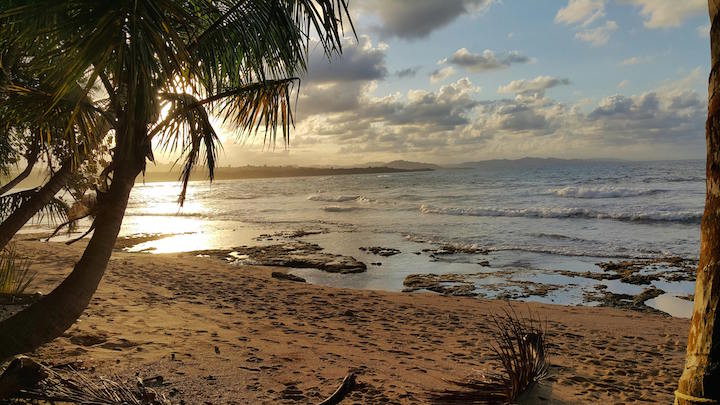
Costa Rica, Lemon
Limón, officially Puerto Limón, is Costa Rica's Caribbean gateway and a city whose identity was shaped as much by migration as by the sea. Christopher Columbus arri [read more.]
To see more Waypoints in Central America, please become a member here.
Colonia del Sacramento, Uruguay
Colonia del Sacramento sits on Uruguay's western coast facing Buenos Aires across the Río de la Plata, a compact historic city known for cobblestone streets, low col [read more.]
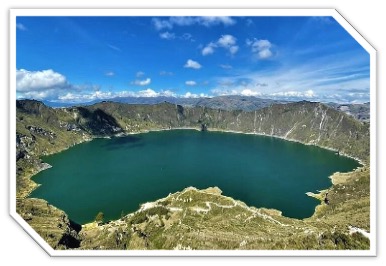
Lagoon Quilotoa, Ecuador
Quilotoa is one of Ecuador’s most spectacular high-altitude landscapes: a water-filled volcanic caldera set at approximately 3,914 meters in the Andes of Cotopaxi Pro [read more.]
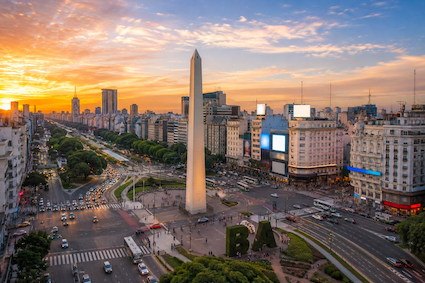
Buenos Aires, Argentina
Buenos Aires is a city of grand avenues, historic neighborhoods, elegant architecture, passionate cultural traditions, and an unmistakable rhythm of its own. Located on [read more.]
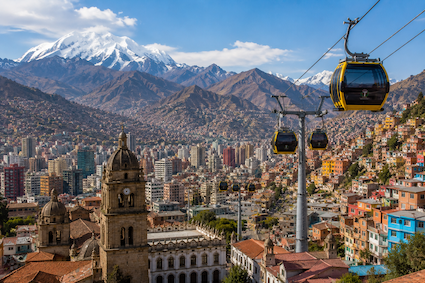
La Paz, Bolivia
La Paz is one of South America's most extraordinary urban destinations, a city built into a dramatic Andean valley where steep hillsides, dense neighborhoods, snow-co [read more.]
To see more Waypoints in South America, please become a member here.
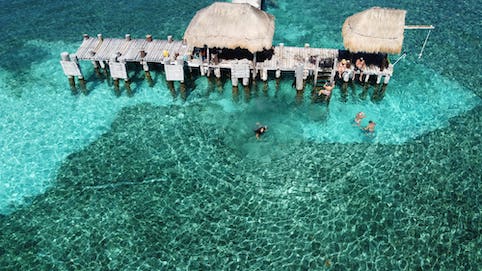
Isla Mujeres, México
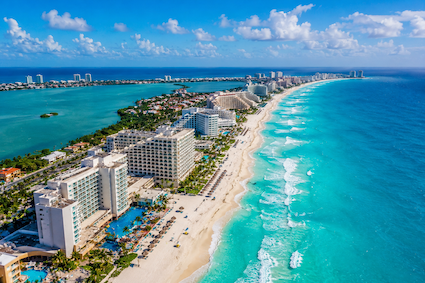
Cancún, Caribbean
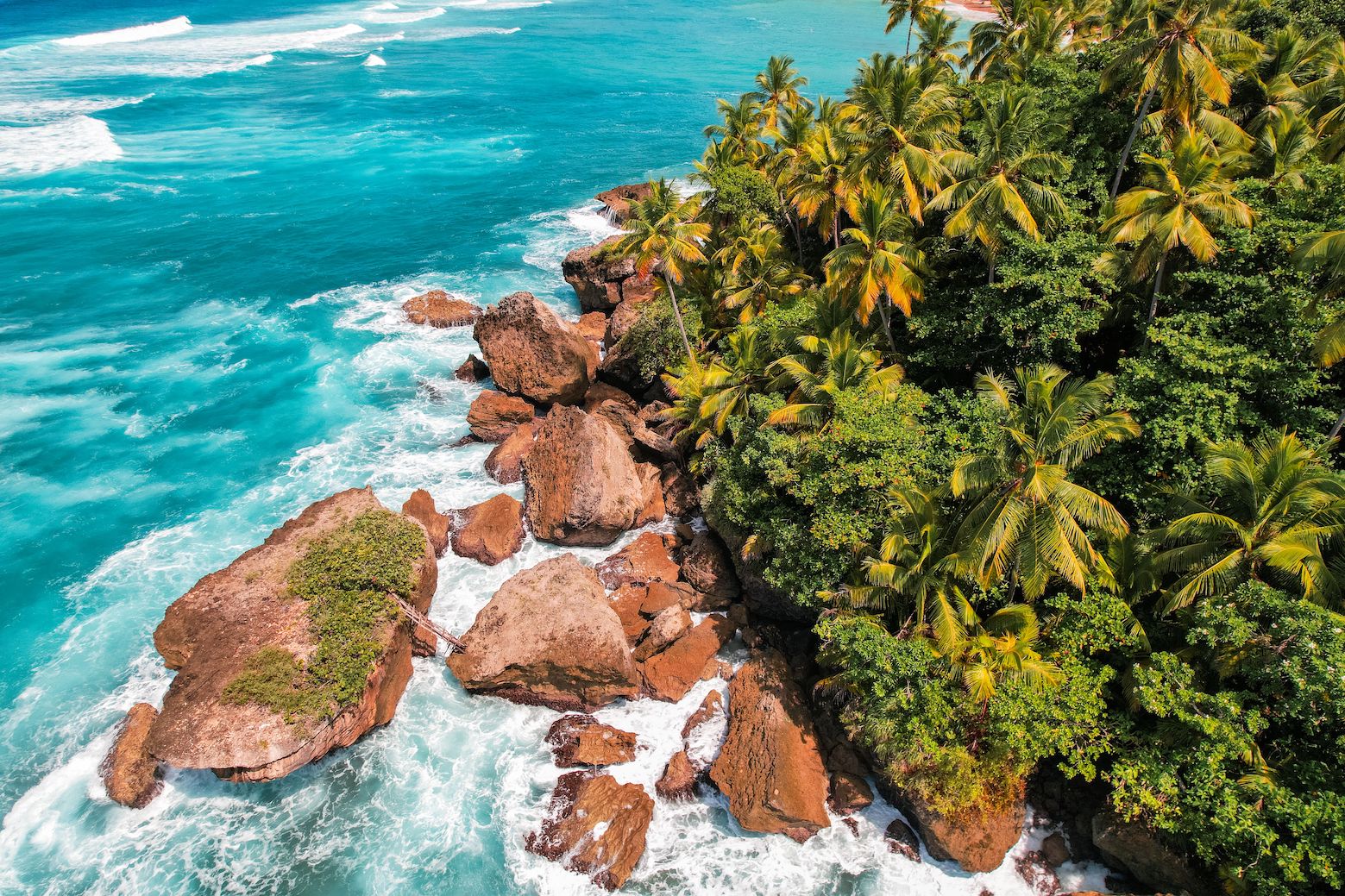
Dominica, Caribbean
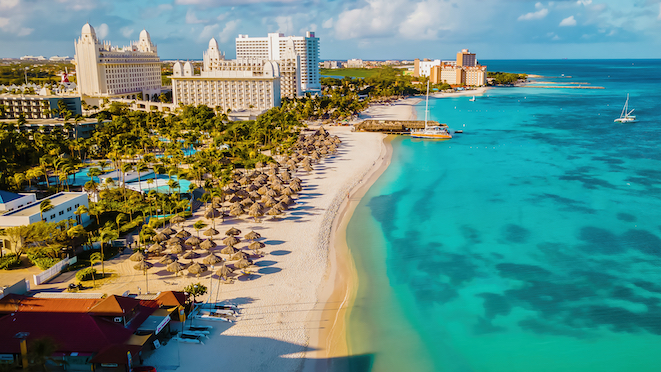
The Bahamas
To see more Waypoints in The Caribbean, please become a member here.

|
Waypoint Finder (Over 1,000 destinations in PanAmerica) |
|---|

Nature
Tours that connect us with nature.
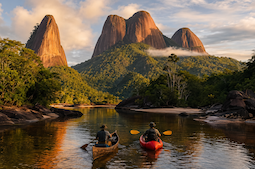
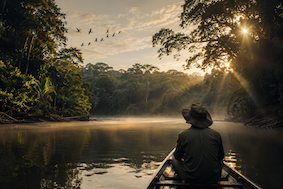
Explore the Tambopata Amazon Reserve
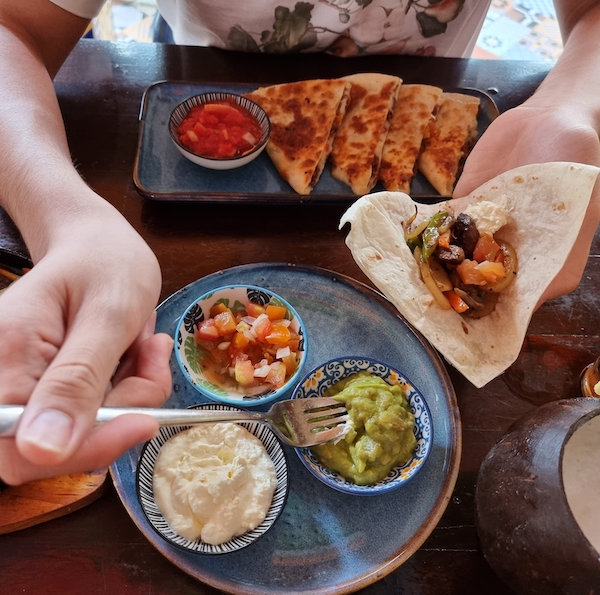
Food & Culture
What's coming up of interest to tourism specialists in Pan America.
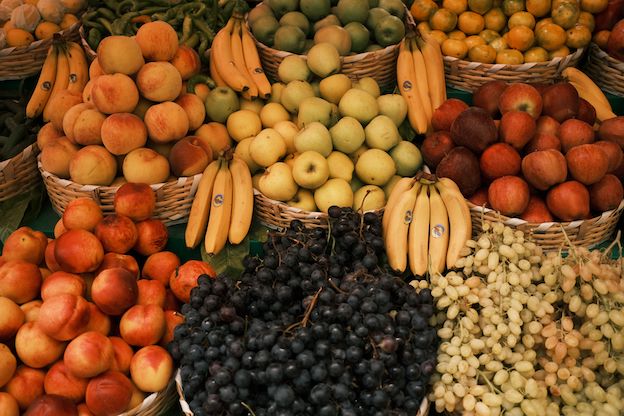
Real City Tours – Exotic Fruits Tour in Medellín, Colombia
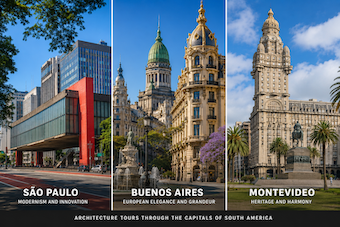
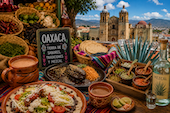
Oaxaca Food & Culture Tour – A Culinary Journey Through Mexico’s Indigenous Flavors
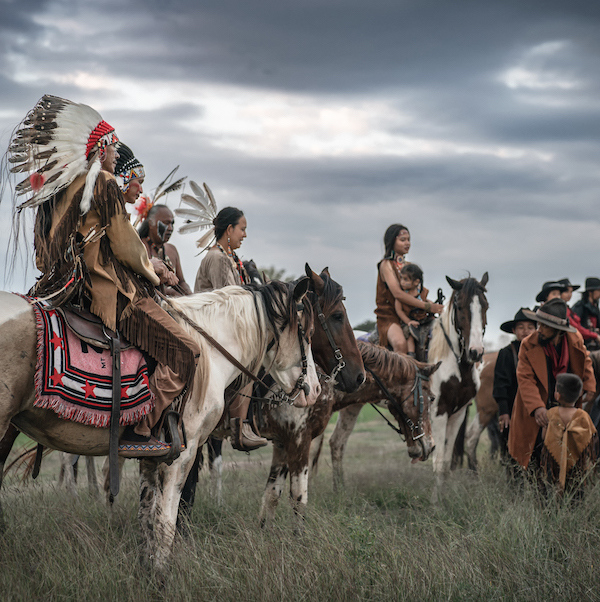
Indigenous Tours
Fashion, romance and wellness for travelers seeking confidence and style.
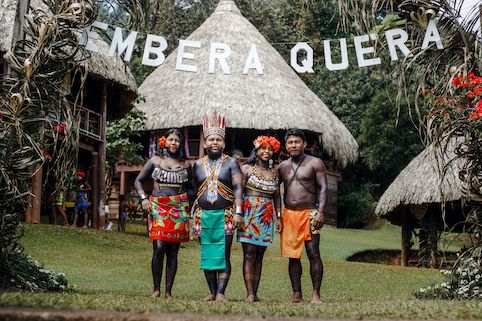
Experience the Emberá of the Darién – On the Only Expedition Operated by An Indigenous Community
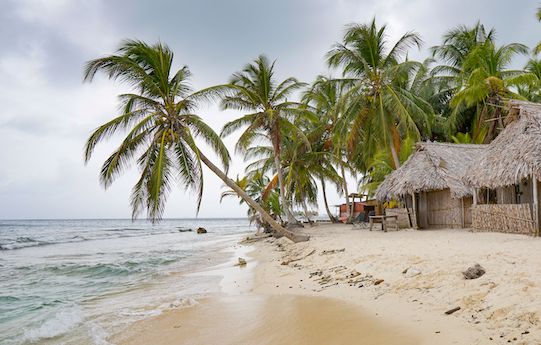
Indigenous Cultural Tour Guna Yala – Discover the Exotic San Blas Islands
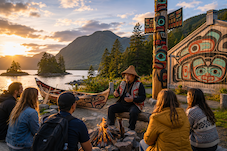
Indigenous Canada Tour – Explore First Nations, Inuit And Métis Cultures
Outdoor Sports
Fashion, romance and wellness for travelers seeking confidence and style.
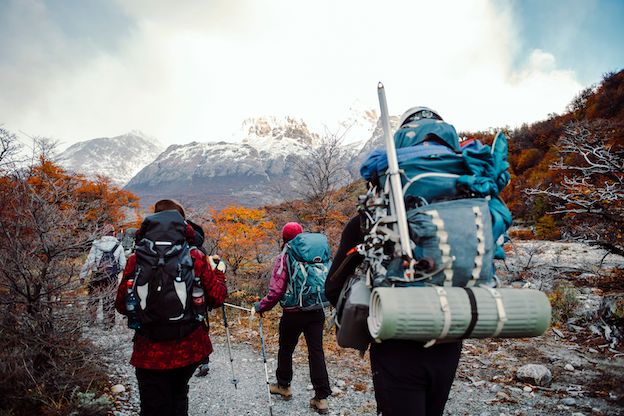
North Patagonia Ice Field Expedition Tour In Chile