 |
So Many Places To Visit!
|
----------- |

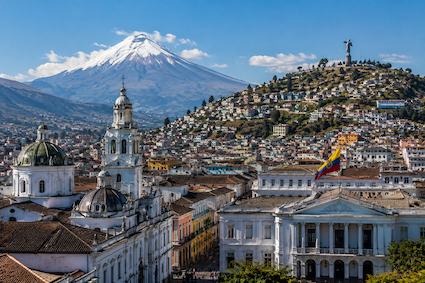
Quito unfolds beneath the towering Andes, where historic churches, colonial rooftops, colorful hillside neighborhoods, and the snow-capped Cotopaxi create a striking portrait of Ecuador’s high-altitud 
Ecuador Related Articles: |
ECUADOR -- METROPOLIS -----------------231[ARTICLE] | |||
Quito, EcuadorThe Andean Capital Where Colonial Splendor, Indigenous Heritage, and Volcanic Landscapes ConvergeBy Marbel Montoya for Ruta Pantera on 9/9/2026 4:32:45 AM |
||||
|
Quito is a city suspended between mountains, where colonial architecture, Indigenous traditions, contemporary culture, and dramatic Andean landscapes come together at extraordinary altitude. Located at approximately 2,850 meters above sea level, Ecuador's capital was founded in the 16th century on the ruins of an earlier Inca settlement. In 1978, Quito became one of the first sites inscribed on the UNESCO World Heritage List, recognized for its exceptionally well-preserved historic center and the remarkable fusion of European and Indigenous artistic traditions. (whc.unesco.org) A Historic Center of Extraordinary Architecture Quito's Historic Centre is the heart of the city's cultural identity. Its cobblestone streets, plazas, monasteries, churches, colonial residences, and ornate façades create one of the most remarkable architectural environments in the Americas. The protected historic area covers approximately 70 hectares and contains an exceptional concentration of historic buildings and cultural landmarks. (quito-turismo.gob.ec) Plaza de la Independencia, commonly called Plaza Grande, forms the civic center of the historic district. The plaza is surrounded by the Metropolitan Cathedral, Carondelet Palace, the Archbishop's Palace, and other important buildings, while the Monument to Independence stands at its center. It is one of the best places to begin exploring the architectural and political history of Quito. (quito-turismo.gob.ec) |
||||

|
The Baroque Splendor of La Compañía and San Francisco The Church of La Compañía de Jesús is one of Quito's most spectacular examples of Baroque architecture. Its interior is richly decorated with carved wood, gilding, paintings, and elaborate ornamental details that demonstrate the artistic sophistication of the Quito School. UNESCO specifically identifies La Compañía, together with the monasteries of San Francisco and Santo Domingo, as outstanding examples of the city's distinctive Baroque tradition. (whc.unesco.org) The Monastery and Church of San Francisco form one of the largest and most important historic religious complexes in the city. Its monumental façade overlooks the Plaza de San Francisco, while its interiors contain an extraordinary collection of colonial religious art. The complex illustrates the cultural fusion that developed between European artistic traditions and Indigenous craftsmanship in colonial Ecuador. The Basílica and the City from Above The Basílica del Voto Nacional provides a very different architectural experience. Its enormous Neo-Gothic structure rises above the historic center, while its towers offer panoramic views across Quito and the surrounding mountains. One of its most distinctive details is the use of Ecuadorian animals as gargoyles, including iguanas, tortoises, armadillos, and other native species. (quito-turismo.gob.ec) Another essential viewpoint is El Panecillo, the hill rising above the southern part of the historic center. The enormous winged Virgen de Quito statue stands at the summit and has become one of the city's most recognizable symbols. From the hilltop, visitors can appreciate Quito's extraordinary geography as the city stretches through the narrow Andean valley between mountains. |
|||
 Add this article to your favorites
[FOR MEMBERS ONLY]
Add this article to your favorites
[FOR MEMBERS ONLY]
Copy this link to send this article to a friend: [FOR MEMBERS ONLY] |
||||

|
Indigenous Heritage and the Quito School Quito's cultural identity is deeply connected to the encounter between Indigenous traditions and European influences. This fusion produced the artistic movement known as the Quito School, which flourished during the colonial period and incorporated European religious themes with local materials, techniques, and artistic interpretations. (whc.unesco.org) The legacy remains visible in churches, sculptures, paintings, woodwork, textiles, markets, festivals, and contemporary cultural traditions. Walking through the historic center therefore becomes an opportunity to observe how different cultural influences were transformed into a distinctly Ecuadorian artistic identity. La Ronda is another important cultural area. This historic street and surrounding neighborhood combine traditional architecture with restaurants, artisan workshops, cafés, galleries, and cultural spaces. In the evening, the area becomes particularly lively as residents and visitors gather around its narrow streets and historic buildings. |
|||
| Nature at the Edge of the City Quito's location in the Andes means that extraordinary landscapes are never far away. The city is surrounded by mountains and volcanoes, forming part of Ecuador's famous Avenue of the Volcanoes. The combination of high-altitude terrain and proximity to different ecosystems makes Quito a useful base for travelers interested in hiking, mountain excursions, birdwatching, and nature experiences. (quito-turismo.gob.ec) The TelefériQo is one of the best ways to experience this geography. The cable car climbs from the city toward the slopes of Pichincha, reaching elevations of more than 4,000 meters and providing panoramic views across the urban valley. On clear days, the surrounding mountains and volcanoes become visible from the upper elevations. The Mitad del Mundo complex, located approximately 30 minutes from the urban area according to Quito's tourism authority, offers another popular excursion. The site explores Ecuador's relationship with the equator through cultural exhibitions, architecture, and interactive experiences. (quito-turismo.gob.ec) |
||||
| Markets, Food, and Everyday Quito Quito's culinary identity reflects the diversity of Ecuador's geography. Traditional dishes include locro de papas, fritada, hornado, llapingachos, empanadas, and a variety of soups and stews based on potatoes, corn, grains, and locally produced ingredients. Markets provide an excellent introduction to everyday life in the capital. Fresh fruits, vegetables, flowers, grains, herbs, cheeses, prepared foods, and regional products reveal the extraordinary agricultural diversity of the Andes and Ecuador's other ecosystems. Contemporary restaurants throughout neighborhoods such as La Floresta, La Mariscal, and the historic center increasingly combine traditional Ecuadorian ingredients with modern culinary techniques. This has helped Quito develop a growing gastronomic identity that complements its historical and cultural attractions. A City of Museums, Streets, and Legends Quito's museums provide additional opportunities to understand Ecuador's history and cultural heritage. The Museo de la Ciudad, Museo del Alabado, and other institutions located throughout the historic center explore pre-Hispanic civilizations, colonial society, religious art, and the development of modern Quito. The city's legends are equally important to its identity. Stories connected to churches, colonial streets, convents, and historic neighborhoods have been passed through generations and remain part of the way Quito's residents interpret their city. Guided walking tours often combine architecture with these stories, allowing visitors to experience the historic center through both documented history and local tradition. Getting There and What to Expect Quito is served by Mariscal Sucre International Airport, located in Tababela, east of the city. The airport is the country's principal international gateway and provides connections to major destinations in Ecuador and abroad. Quito Tourism maintains visitor information points at the airport, historic center, and major transportation terminals. (quito-turismo.gob.ec) Altitude is one of the most important considerations when visiting Quito. At approximately 2,850 meters above sea level, some travelers may need time to adjust during their first days. Taking activities slowly, staying hydrated, and allowing the body to acclimatize can make exploring the city considerably more comfortable. Quito's climate is relatively mild because of its elevation, although temperatures can change quickly throughout the day. Rainfall patterns vary seasonally, and travelers should be prepared for sun, clouds, and occasional rain during the same day. Comfortable walking shoes are particularly useful because many historic streets are cobblestoned and some areas involve steep climbs. A Capital Where the Andes Become Part of the City Quito is a destination where history and geography are impossible to separate. Its churches and colonial buildings preserve centuries of cultural exchange, while its steep streets and mountain surroundings reveal the extraordinary environment in which the city developed. From the gilded interior of La Compañía and the monumental San Francisco complex to the views from El Panecillo and the high slopes of Pichincha, Quito offers travelers a journey through architecture, Indigenous heritage, art, food, and nature. The result is a capital that feels simultaneously historic and alive—a city where the Andes are not simply the backdrop, but an essential part of its identity. |
||||
| --rutapanter.com-- | ||
|
References: UNESCO. (n.d.). City of Quito. https://whc.unesco.org/ Quito Turismo. (n.d.). Quito, Cultural Heritage Of Humanity. https://www.quito-turismo.gob.ec/ Quito Turismo. (n.d.). Quito, Living Heritage. https://www.quito-turismo.gob.ec/ Instituto Nacional de Patrimonio Cultural del Ecuador. (n.d.). Cultural Heritage Of Ecuador. https://www.patrimoniocultural.gob.ec/
| |
|
| Instagram: | Email contact: | Interest area: |

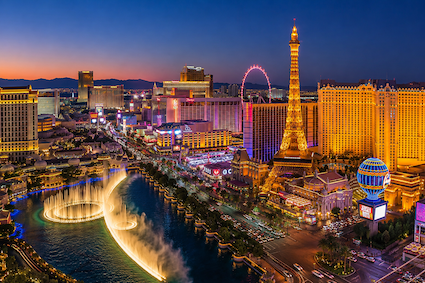
Las Vegas, Nevada, USA
Las Vegas is a city built around spectacle, imagination, and constant reinvention. Rising from the Mojave Desert in southern Nevada, it has transformed from a railroad [read more.]
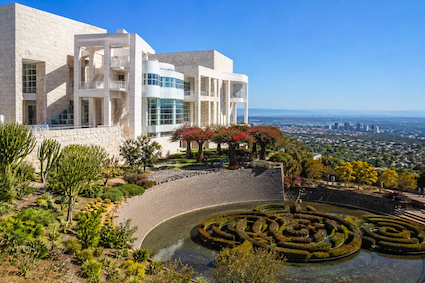
The Getty Center, Los Angeles, California, USA
Perched high in the Santa Monica Mountains above Los Angeles, the Getty Center is much more than a museum. Designed by American architect Richard Meier and opened in 19 [read more.]
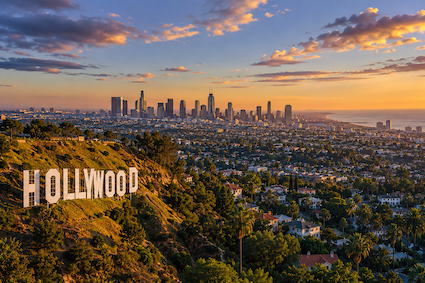
Los Angeles, California, USA
Los Angeles is a city built on movement, creativity, and reinvention. Stretching from the Santa Monica Mountains to the Pacific Ocean, it combines the glamour of Hollyw [read more.]
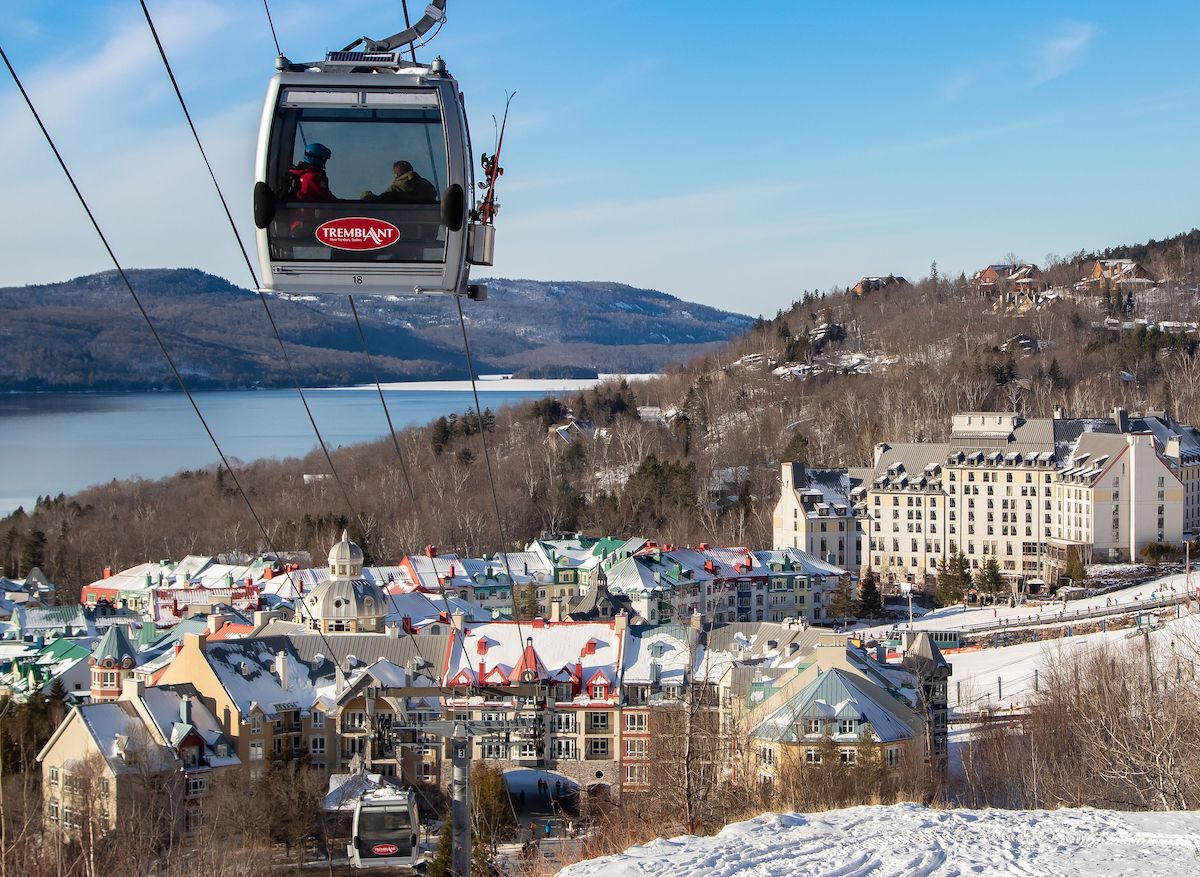
Mont-Tremblant, Canada
Mont-Tremblant, in the province of Quebec, Canada, is a city located in the Laurentian Mountains, about 125 kilometers from Montreal. Although sometimes informally refe [read more.]
To see more Waypoints in North America, please become a member here.
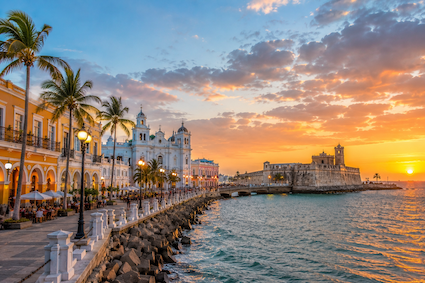
Veracruz, México
Veracruz is one of Mexico's most historically significant coastal cities, a place where the country's colonial history, maritime traditions, Afro-Caribbean influenc [read more.]
Monterrey, Mexico
Monterrey, capital of Nuevo León, is one of northern Mexico's most important cities and a destination where industrial history, contemporary culture, regional cuisin [read more.]
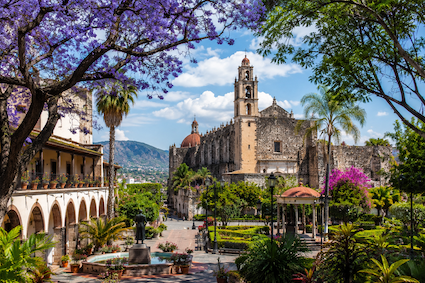
Cuernavaca, México
Cuernavaca is a city of gardens, historic estates, ancient traditions, and a remarkably mild climate. Located in the state of Morelos, approximately 85 kilometers south [read more.]
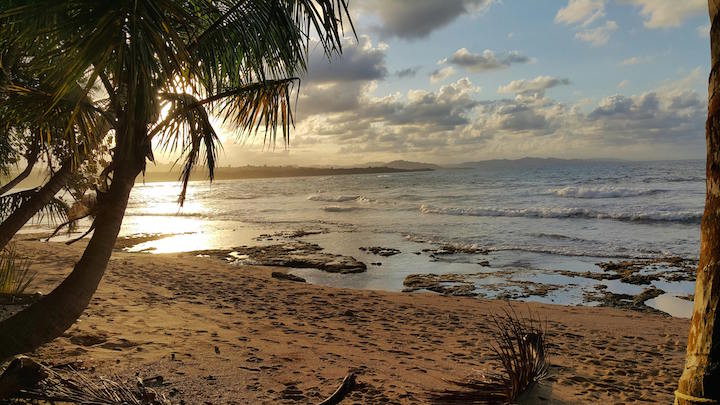
Costa Rica, Lemon
Limón, officially Puerto Limón, is Costa Rica's Caribbean gateway and a city whose identity was shaped as much by migration as by the sea. Christopher Columbus arri [read more.]
To see more Waypoints in Central America, please become a member here.
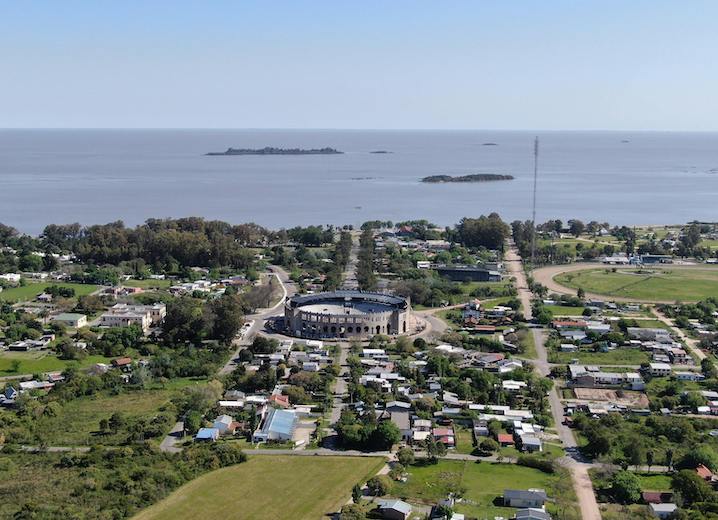
Colonia del Sacramento, Uruguay
Colonia del Sacramento sits on Uruguay's western coast facing Buenos Aires across the Río de la Plata, a compact historic city known for cobblestone streets, low col [read more.]
Lagoon Quilotoa, Ecuador
Quilotoa is one of Ecuador’s most spectacular high-altitude landscapes: a water-filled volcanic caldera set at approximately 3,914 meters in the Andes of Cotopaxi Pro [read more.]
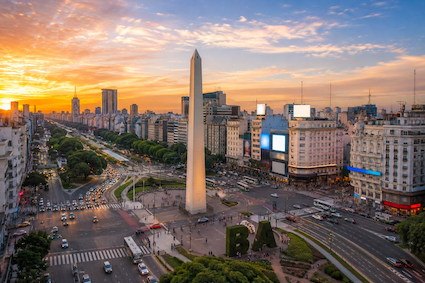
Buenos Aires, Argentina
Buenos Aires is a city of grand avenues, historic neighborhoods, elegant architecture, passionate cultural traditions, and an unmistakable rhythm of its own. Located on [read more.]
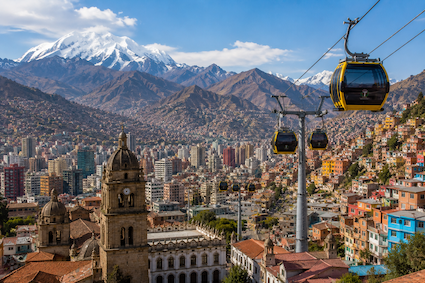
La Paz, Bolivia
La Paz is one of South America's most extraordinary urban destinations, a city built into a dramatic Andean valley where steep hillsides, dense neighborhoods, snow-co [read more.]
To see more Waypoints in South America, please become a member here.
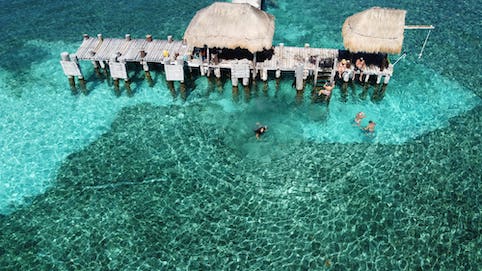
Isla Mujeres, México
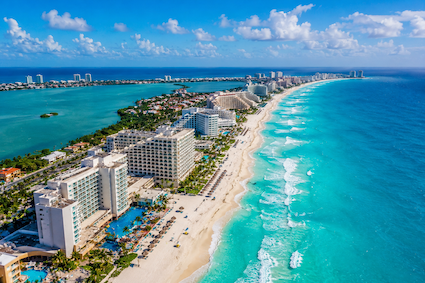
Cancún, Caribbean
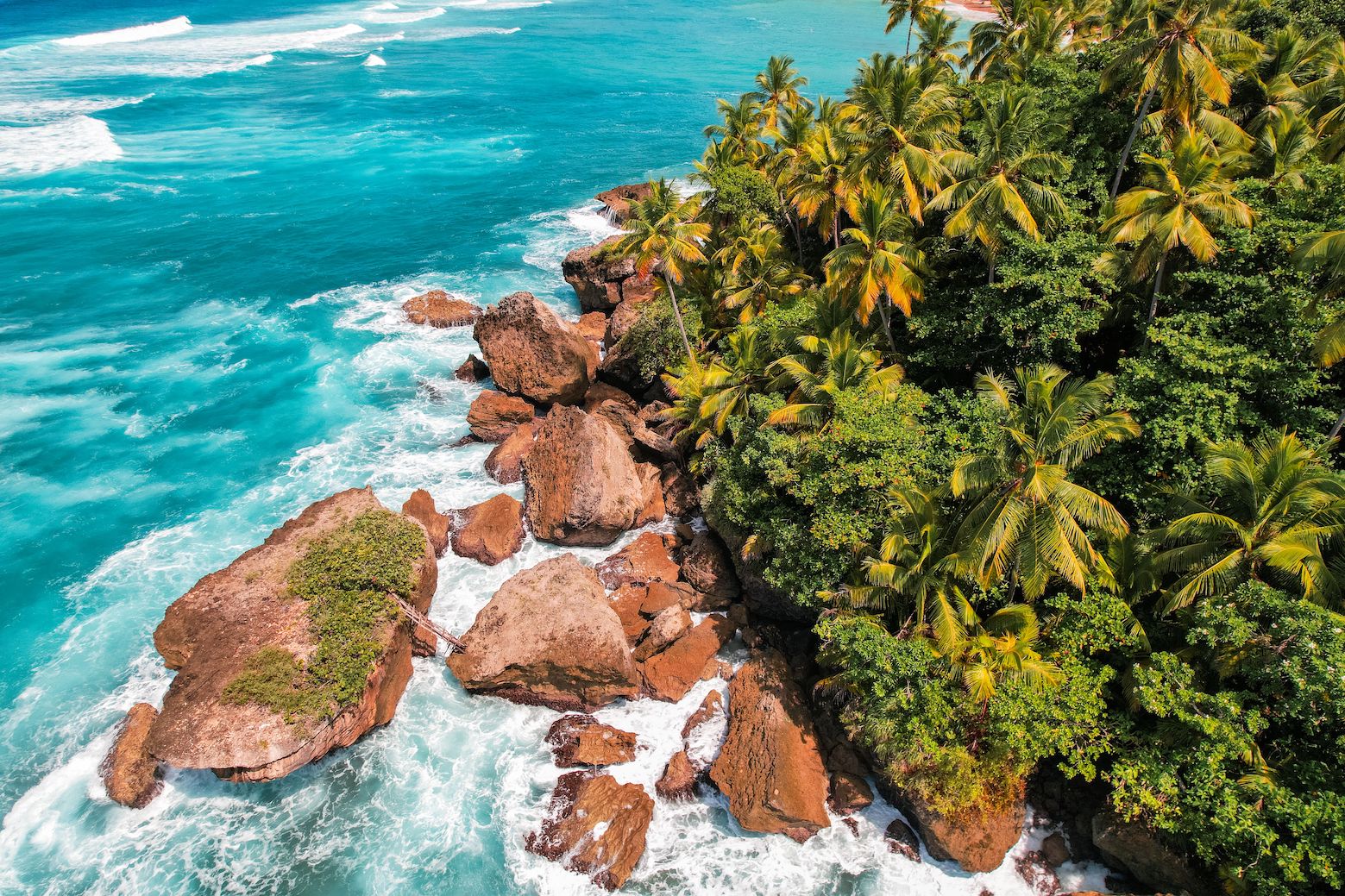
Dominica, Caribbean
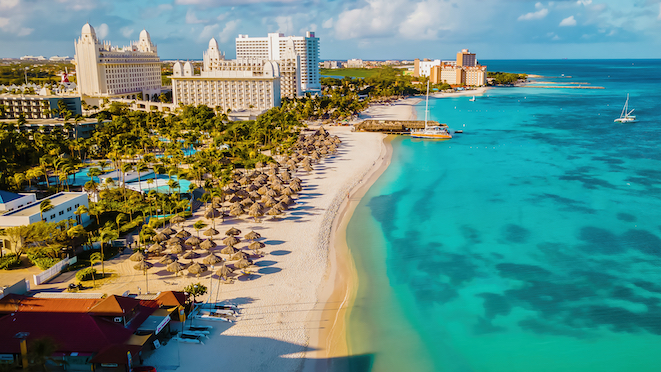
The Bahamas
To see more Waypoints in The Caribbean, please become a member here.

|
Waypoint Finder (Over 1,000 destinations in PanAmerica) |
|---|

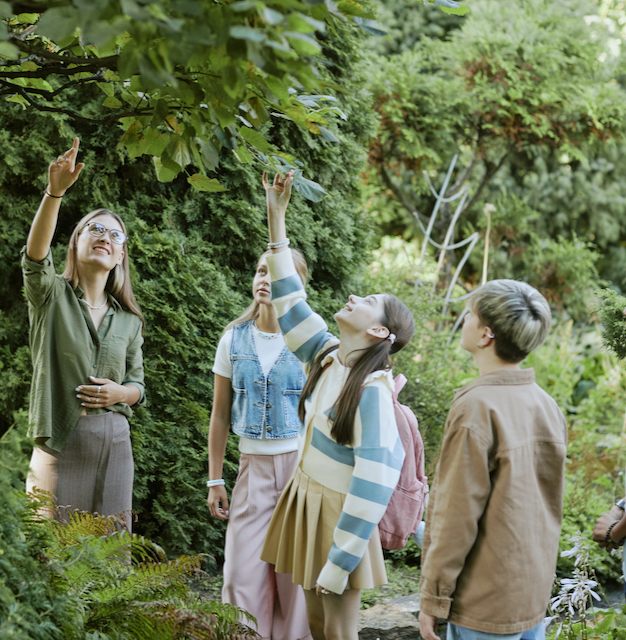
Nature
Tours that connect us with nature.
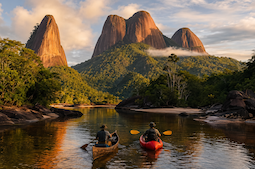
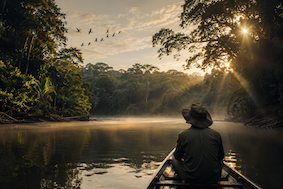
Explore the Tambopata Amazon Reserve
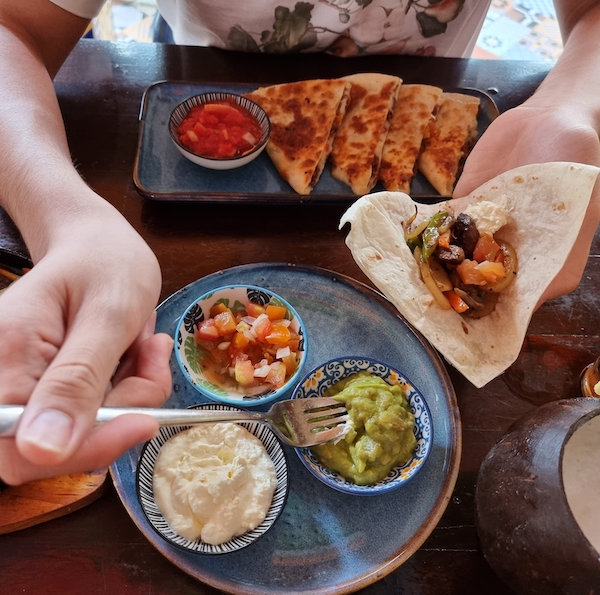
Food & Culture
What's coming up of interest to tourism specialists in Pan America.
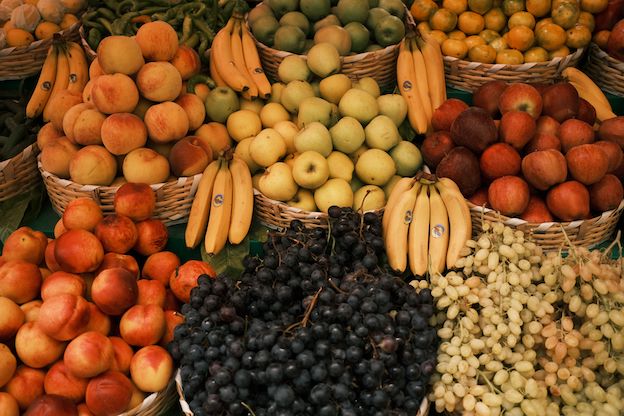
Real City Tours – Exotic Fruits Tour in Medellín, Colombia
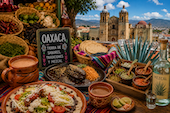
Oaxaca Food & Culture Tour – A Culinary Journey Through Mexico’s Indigenous Flavors
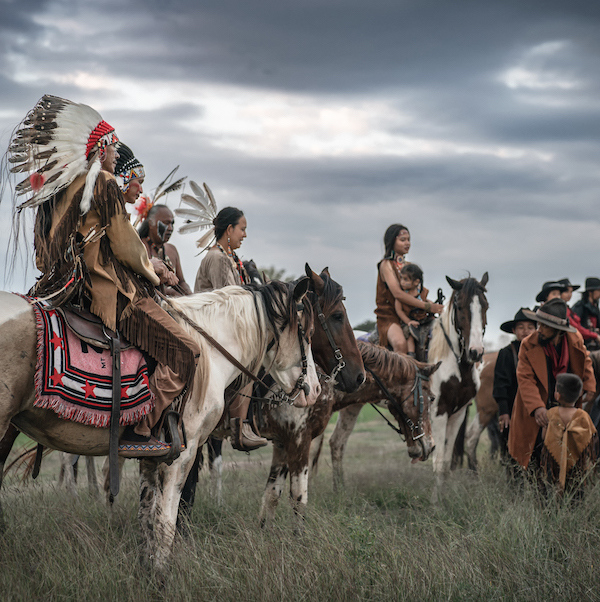
Indigenous Tours
Fashion, romance and wellness for travelers seeking confidence and style.
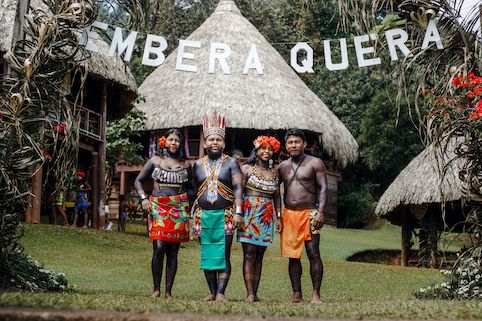
Experience the Emberá of the Darién – On the Only Expedition Operated by An Indigenous Community
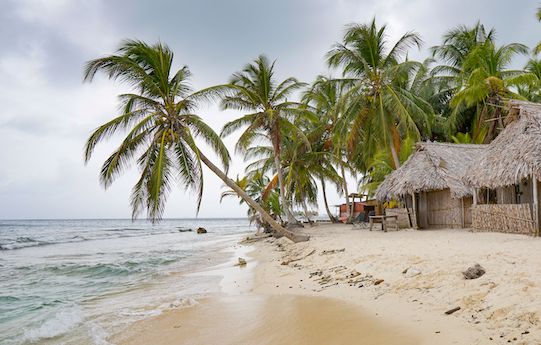
Indigenous Cultural Tour Guna Yala – Discover the Exotic San Blas Islands
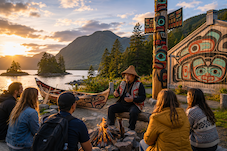
Indigenous Canada Tour – Explore First Nations, Inuit And Métis Cultures
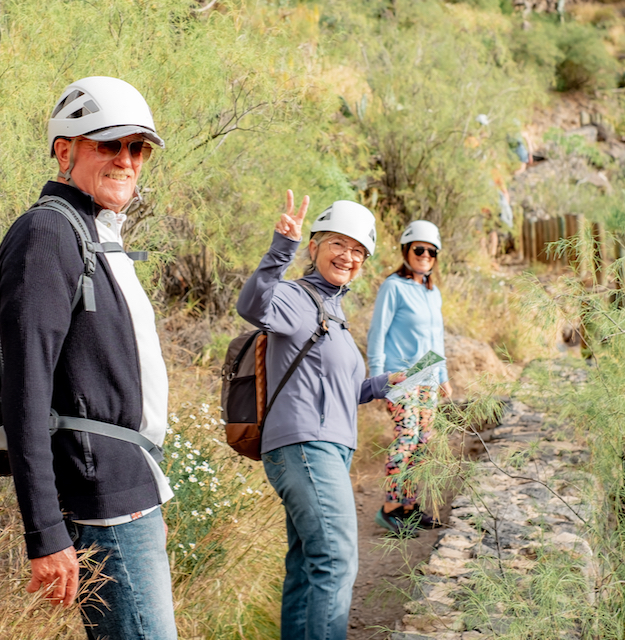
Outdoor Sports
Fashion, romance and wellness for travelers seeking confidence and style.
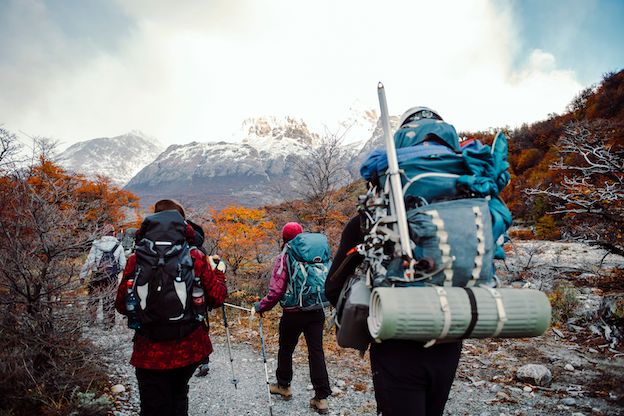
North Patagonia Ice Field Expedition Tour In Chile