 |
So Many Places To Visit!
|
----------- |

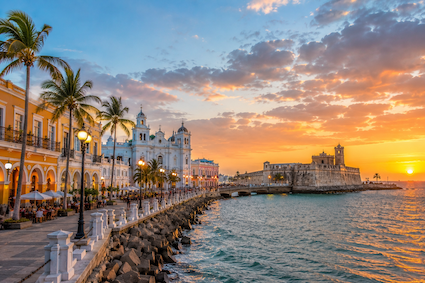
Veracruz comes alive at sunset along the Gulf of Mexico, where palm-lined promenades, colorful colonial buildings, historic San Juan de Ulúa, and the shimmering sea capture the city’s vibrant maritime 
Mexico Related Articles: |
MEXICO -- CULTURAL SITE -----------------237[ARTICLE] | |||
Veracruz, MéxicoThe Historic Gulf Port Where Colonial Heritage, Caribbean Rhythms, and Coastal Life MeetBy Marbel Montoya for Ruta Pantera on 9/15/2026 4:33:19 AM |
||||
|
Veracruz is one of Mexico's most historically significant coastal cities, a place where the country's colonial history, maritime traditions, Afro-Caribbean influences, music, seafood, and tropical atmosphere come together along the Gulf of Mexico. The city developed around one of the most important ports in New Spain and became a major gateway between Mexico, Europe, and the wider Atlantic world. Today, its historic center, waterfront promenade, fortifications, cafés, markets, and lively cultural traditions make it one of Mexico's most distinctive coastal destinations. (inah.gob.mx) A Port That Shaped Mexican History The history of modern Veracruz reaches back to the early 16th century. Spanish expeditions arrived on the Gulf coast in 1518, and in 1519 Hernán Cortés established the Villa Rica de la Vera Cruz near the island now known as San Juan de Ulúa. The settlement was later moved, eventually becoming the city and port that developed on the mainland. (inah.gob.mx) Veracruz became the principal maritime gateway of New Spain, connecting Mexican commerce with Europe and other parts of the Americas. Its strategic importance also made it vulnerable to pirate attacks and foreign invasions, leading to the construction of an extensive defensive system that included walls, bastions, and the imposing fortress of San Juan de Ulúa. (inah.gob.mx) The Historic Architecture of the Port The historic center of Veracruz preserves a distinctive architectural character shaped by centuries of maritime commerce and tropical climate. The Historic Monuments Zone covers approximately 1.5 square kilometers and includes around 170 blocks containing buildings dating from the 16th through the 20th centuries. (inah.gob.mx) The Plaza de Armas, also known as the Zócalo, remains the traditional heart of the city. Historic arcades, government buildings, churches, restaurants, and public spaces surround the plaza, creating an environment where architecture and everyday life remain closely connected. The city's buildings reflect adaptations to the coastal environment. Historic structures incorporated local materials such as múcara stone and coral, while large windows, balconies, shaded arcades, and courtyards helped respond to the warm and humid climate of the Gulf coast. (inah.gob.mx) |
||||

|
San Juan de Ulúa and the Fortress of the Gulf San Juan de Ulúa is perhaps Veracruz's most dramatic historical landmark. Located on an island facing the modern port, the enormous fortress developed over several centuries as the strategic importance of the harbor increased. Its architecture incorporates bastions, defensive walls, vaulted spaces, courtyards, ramps, and military structures designed to protect one of the most important ports of colonial Mexico. (inah.gob.mx) The fortress eventually served not only as a defensive installation but also as a port facility, customs center, warehouse, arsenal, and prison. Today, the Museo Fuerte de San Juan de Ulúa presents archaeological and historical collections while allowing visitors to explore the fortress's corridors, patios, cells, and defensive architecture. (inah.gob.mx) Walking through San Juan de Ulúa provides a different perspective on Veracruz. From its walls, the relationship between the fortress, the sea, and the modern port becomes immediately apparent, revealing why this location was strategically important for centuries. |
|||
 Add this article to your favorites
[FOR MEMBERS ONLY]
Add this article to your favorites
[FOR MEMBERS ONLY]
Copy this link to send this article to a friend: [FOR MEMBERS ONLY] |
||||

|
The Malecón and Life by the Sea Veracruz's waterfront is one of the best places to experience the city's contemporary character. The Malecón stretches along the Gulf, connecting historic buildings, commercial areas, public spaces, and views of the harbor. Locals and visitors gather here to walk, watch ships, enjoy the sea breeze, and experience the changing atmosphere throughout the day. The port remains an essential part of the city's identity. Large commercial vessels, fishing boats, cruise ships, and maritime infrastructure provide a constant reminder that Veracruz continues to function as one of Mexico's major ports rather than existing solely as a historic destination. At sunset, the waterfront becomes particularly atmospheric as the light reflects across the Gulf and the historic architecture of the city. The combination of sea, tropical vegetation, colonial buildings, and maritime activity gives Veracruz a character that is distinctly different from Mexico's inland colonial cities. Music, Dance, and the Spirit of the Port Veracruz is famous for its musical traditions, particularly son jarocho, a regional style that combines Indigenous, African, and Spanish influences. The music is closely associated with the cultural identity of Veracruz and is traditionally performed with instruments such as the jarana and harp. The city's famous danzón tradition also reflects Veracruz's long history of cultural exchange. Public squares and historic venues frequently become spaces for music and dance, demonstrating how cultural traditions remain part of everyday urban life rather than simply being performed for tourists. The annual Carnaval de Veracruz is one of the country's largest and most famous celebrations. Parades, music, costumes, dancing, and enormous crowds transform the waterfront and central streets into a major celebration of the city's festive identity. |
|||
| The Flavors of the Gulf Veracruz's cuisine is strongly connected to the sea. Fresh fish, shrimp, crab, oysters, octopus, and other seafood appear throughout local menus, often prepared with tomatoes, peppers, herbs, citrus, and spices influenced by the city's long history of international exchange. One of the best-known regional dishes is pescado a la veracruzana, traditionally prepared with fish, tomatoes, olives, capers, peppers, and herbs. The dish reflects the blending of Mediterranean ingredients with Mexican culinary traditions that developed in the port. Visitors can also discover arroz a la tumbada, a seafood rice dish associated with the coastal communities of Veracruz, as well as fried fish, ceviche, shrimp preparations, and other Gulf specialties. Local cafés and traditional restaurants offer opportunities to experience the city's food culture at a relaxed pace. Nature Along the Gulf Coast Veracruz is not only a historical and culinary destination; the surrounding Gulf coast also offers opportunities for nature and outdoor experiences. The Veracruz Reef System, located off the coast, protects coral reefs, islands, seagrass beds, and marine habitats that support a wide variety of species. Boat excursions and snorkeling experiences provide opportunities to explore the coastal environment, while nearby beaches offer a slower alternative to the city's historic center. Travelers interested in marine ecosystems can combine a cultural itinerary with activities focused on the Gulf's biodiversity. The region's tropical climate also contributes to its lush vegetation and distinctive coastal atmosphere, particularly during the wetter months when the surrounding landscapes become especially green. |
||||
| Getting There and What to Expect Veracruz is served by General Heriberto Jara Corona International Airport, which provides domestic connections and access to the Gulf coast. The city is also connected by highways and long-distance buses with Mexico City, Xalapa, Puebla, and other major destinations in eastern and central Mexico. The climate is tropical and humid, with warm temperatures throughout much of the year. Summer and early autumn can bring considerable rainfall, while the winter months may experience strong northerly winds known locally as “nortes.” Lightweight clothing, comfortable shoes, sun protection, and rain protection are useful when exploring the city. The historic center is relatively compact and can be explored on foot, particularly around the Zócalo, waterfront, plazas, churches, and historic streets. Taxis and rideshare services are useful for reaching San Juan de Ulúa and attractions farther from the center. Accommodation ranges from historic properties and traditional hotels to contemporary beachfront and business-oriented hotels. Staying near the historic center provides convenient access to the city's cultural attractions, while the waterfront and Boca del Río offer a more modern coastal environment with restaurants, hotels, and nightlife. A City Where Mexico Meets the Gulf Veracruz offers a different vision of Mexico—one shaped not only by Indigenous and Spanish traditions but also by centuries of maritime exchange and cultural encounters across the Atlantic and Caribbean. Its historic buildings preserve the memory of a port that connected continents, San Juan de Ulúa stands as a monument to the city's strategic importance, and the Malecón continues to connect everyday life with the sea. Add son jarocho, danzón, seafood, tropical landscapes, and the energy of Carnaval, and Veracruz becomes a destination where history is not confined to monuments. It lives in the music, food, architecture, and rhythms of the Gulf. |
||||
| --rutapanter.com-- | ||
|
References: Instituto Nacional de Antropología e Historia. (n.d.). Ciudad Y Puerto De Veracruz. https://lugares.inah.gob.mx/ Instituto Nacional de Antropología e Historia. (n.d.). Museo Fuerte De San Juan De Ulúa. https://lugares.inah.gob.mx/
| |
|
| Instagram: | Email contact: | Interest area: |

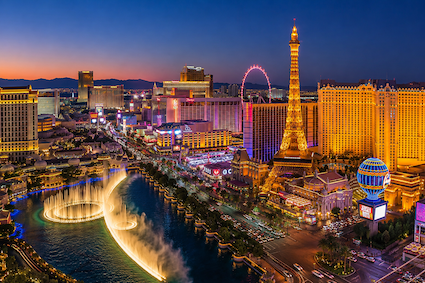
Las Vegas, Nevada, USA
Las Vegas is a city built around spectacle, imagination, and constant reinvention. Rising from the Mojave Desert in southern Nevada, it has transformed from a railroad [read more.]
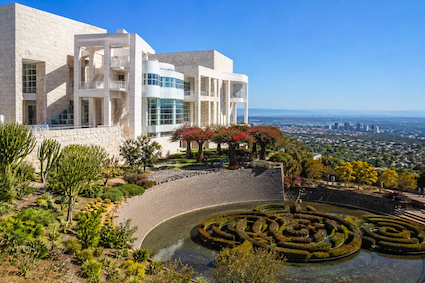
The Getty Center, Los Angeles, California, USA
Perched high in the Santa Monica Mountains above Los Angeles, the Getty Center is much more than a museum. Designed by American architect Richard Meier and opened in 19 [read more.]
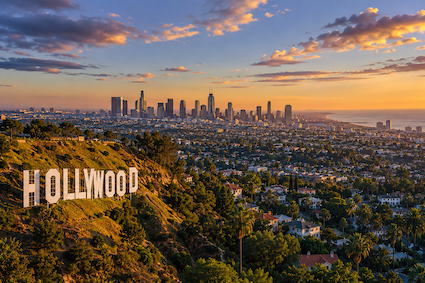
Los Angeles, California, USA
Los Angeles is a city built on movement, creativity, and reinvention. Stretching from the Santa Monica Mountains to the Pacific Ocean, it combines the glamour of Hollyw [read more.]
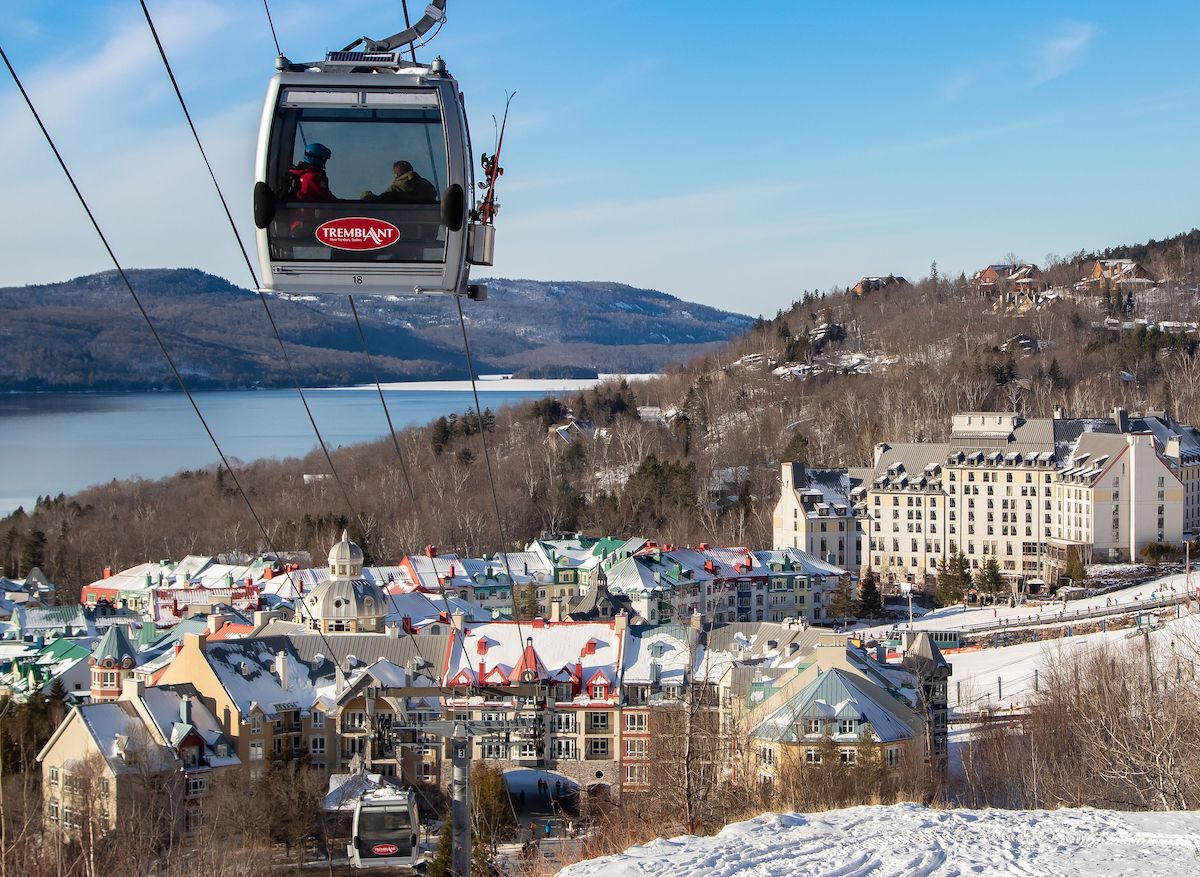
Mont-Tremblant, Canada
Mont-Tremblant, in the province of Quebec, Canada, is a city located in the Laurentian Mountains, about 125 kilometers from Montreal. Although sometimes informally refe [read more.]
To see more Waypoints in North America, please become a member here.
Veracruz, México
Veracruz is one of Mexico's most historically significant coastal cities, a place where the country's colonial history, maritime traditions, Afro-Caribbean influenc [read more.]
Monterrey, Mexico
Monterrey, capital of Nuevo León, is one of northern Mexico's most important cities and a destination where industrial history, contemporary culture, regional cuisin [read more.]
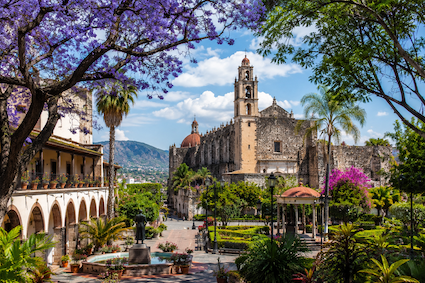
Cuernavaca, México
Cuernavaca is a city of gardens, historic estates, ancient traditions, and a remarkably mild climate. Located in the state of Morelos, approximately 85 kilometers south [read more.]
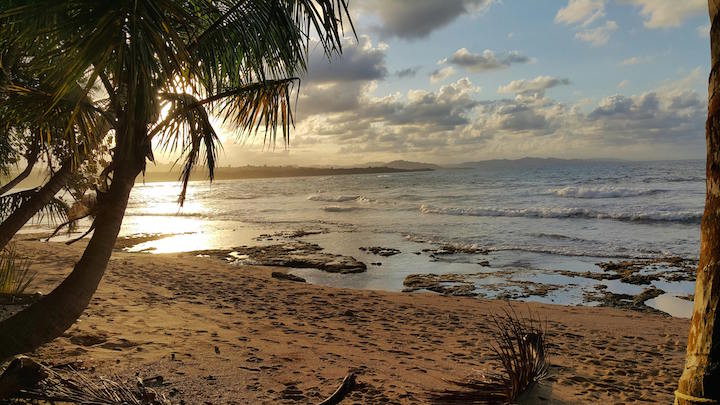
Costa Rica, Lemon
Limón, officially Puerto Limón, is Costa Rica's Caribbean gateway and a city whose identity was shaped as much by migration as by the sea. Christopher Columbus arri [read more.]
To see more Waypoints in Central America, please become a member here.
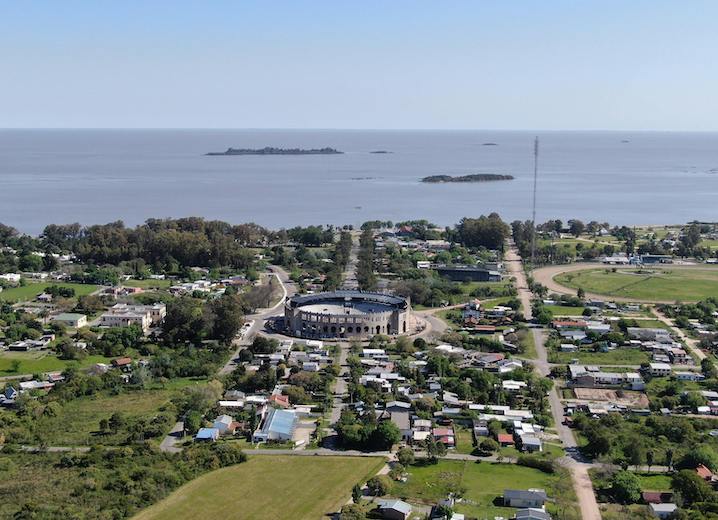
Colonia del Sacramento, Uruguay
Colonia del Sacramento sits on Uruguay's western coast facing Buenos Aires across the Río de la Plata, a compact historic city known for cobblestone streets, low col [read more.]
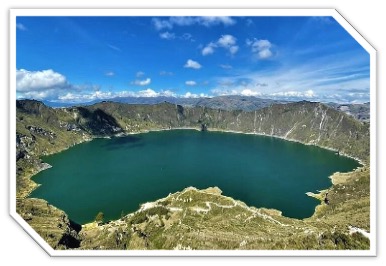
Lagoon Quilotoa, Ecuador
Quilotoa is one of Ecuador’s most spectacular high-altitude landscapes: a water-filled volcanic caldera set at approximately 3,914 meters in the Andes of Cotopaxi Pro [read more.]
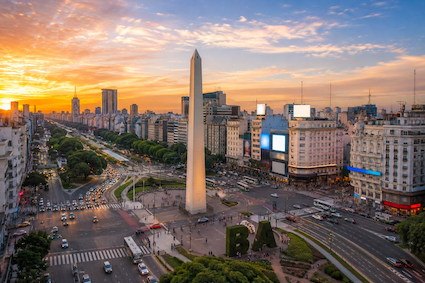
Buenos Aires, Argentina
Buenos Aires is a city of grand avenues, historic neighborhoods, elegant architecture, passionate cultural traditions, and an unmistakable rhythm of its own. Located on [read more.]
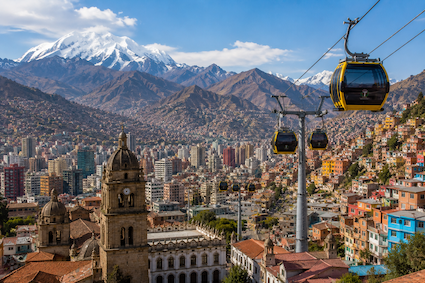
La Paz, Bolivia
La Paz is one of South America's most extraordinary urban destinations, a city built into a dramatic Andean valley where steep hillsides, dense neighborhoods, snow-co [read more.]
To see more Waypoints in South America, please become a member here.
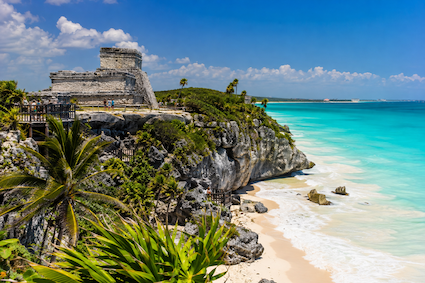
Tulum, México
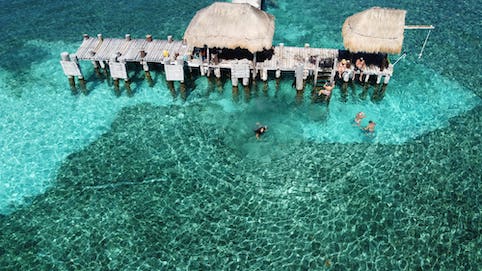
Isla Mujeres, México
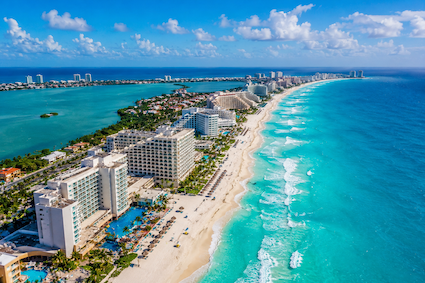
Cancún, Caribbean
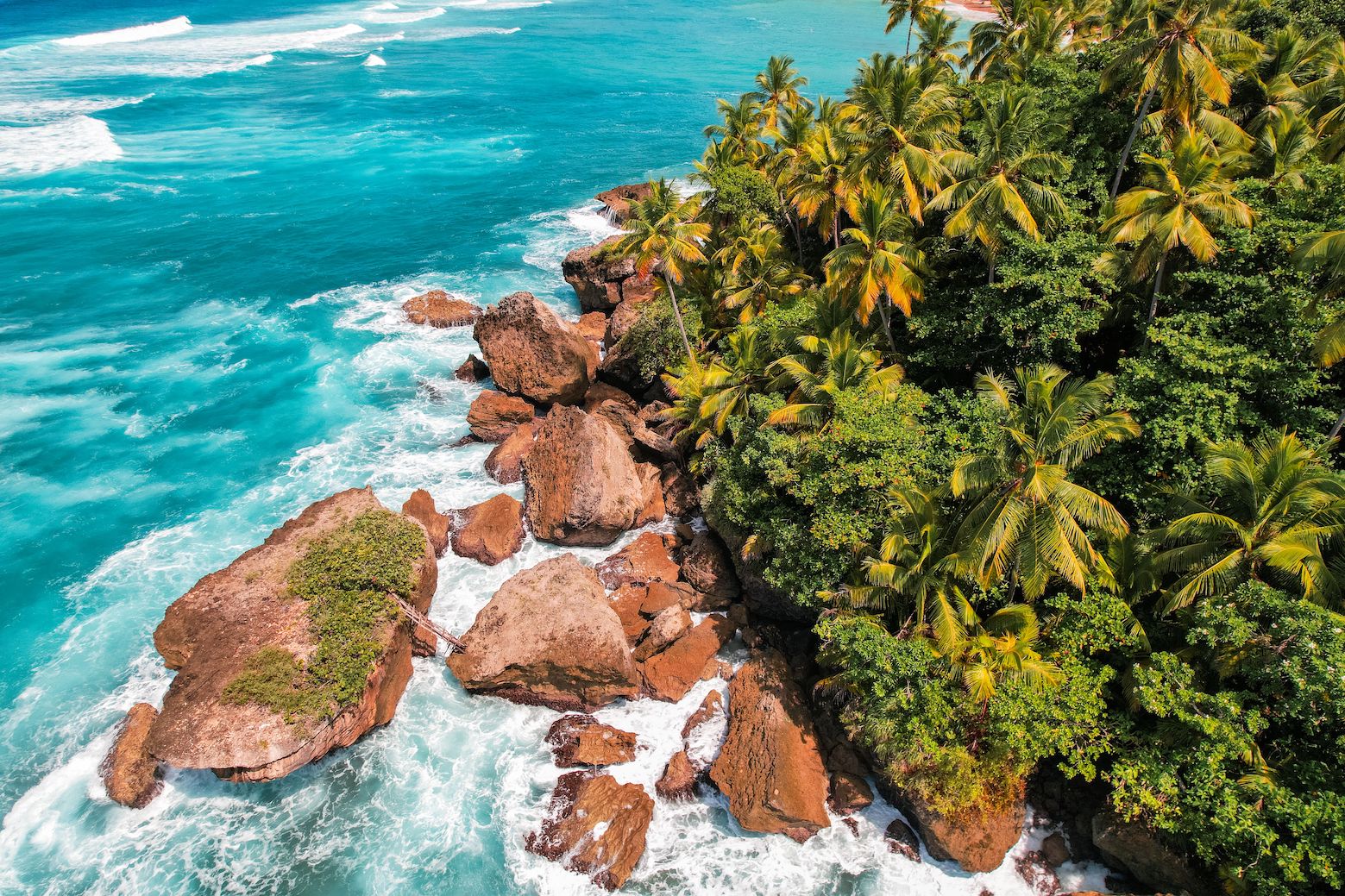
Dominica, Caribbean
To see more Waypoints in The Caribbean, please become a member here.

|
Waypoint Finder (Over 1,000 destinations in PanAmerica) |
|---|

Nature
Tours that connect us with nature.
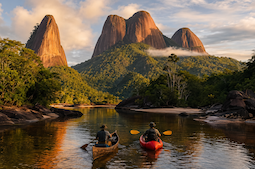
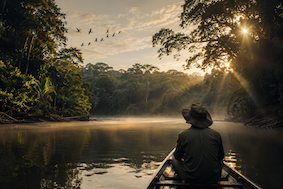
Explore the Tambopata Amazon Reserve
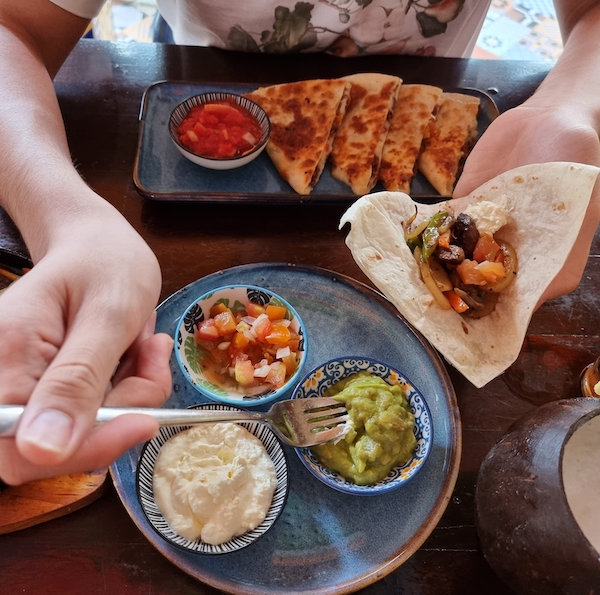
Food & Culture
What's coming up of interest to tourism specialists in Pan America.
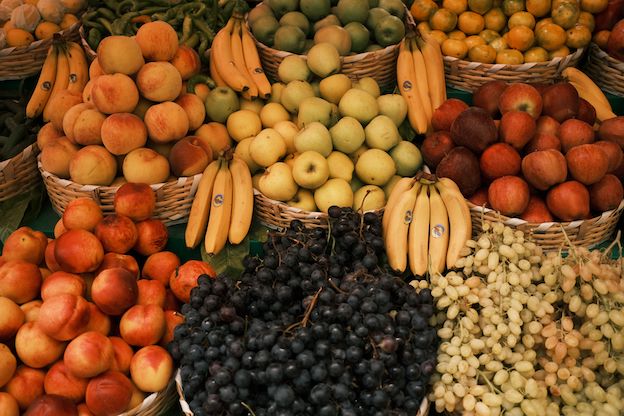
Real City Tours – Exotic Fruits Tour in Medellín, Colombia
Oaxaca Food & Culture Tour – A Culinary Journey Through Mexico’s Indigenous Flavors
Indigenous Tours
Fashion, romance and wellness for travelers seeking confidence and style.
Experience the Emberá of the Darién – On the Only Expedition Operated by An Indigenous Community
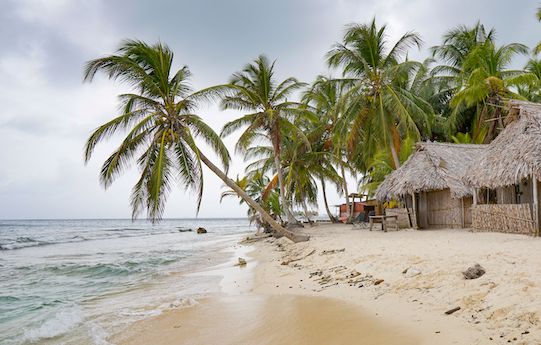
Indigenous Cultural Tour Guna Yala – Discover the Exotic San Blas Islands
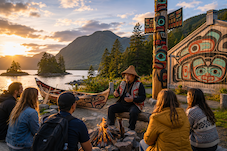
Indigenous Canada Tour – Explore First Nations, Inuit And Métis Cultures
Outdoor Sports
Fashion, romance and wellness for travelers seeking confidence and style.
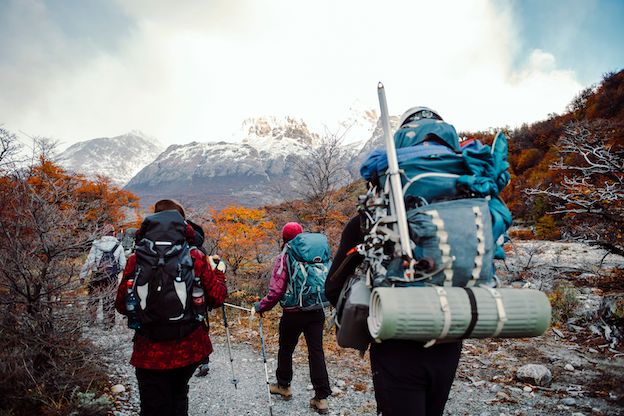
North Patagonia Ice Field Expedition Tour In Chile