 |
So Many Places To Visit!
|
----------- |

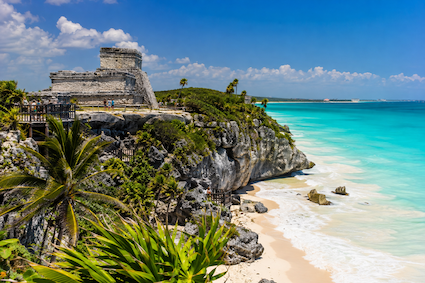
Tulum rises above the turquoise Caribbean, where ancient Maya ruins, limestone cliffs, lush tropical vegetation, and a pristine white-sand beach create one of Mexico’s most striking archaeological and 
The Caribbean Related Articles: |
THE CARIBBEAN -- CULTURAL SITE -----------------470[ARTICLE] | |||
Tulum, MéxicoThe Walled Maya City Where Caribbean Waters Meet Ancient StoneBy Marbel Montoya for Ruta Pantera on 9/19/2026 5:22:34 AM |
||||
|
Tulum is one of Mexico's most distinctive destinations, where ancient Maya architecture rises above the turquoise waters of the Caribbean. Located on the eastern coast of the Yucatán Peninsula in Quintana Roo, the destination combines archaeological heritage, tropical beaches, cenotes, protected ecosystems, and a contemporary travel scene that has transformed the area into one of Mexico's best-known Caribbean escapes. The ancient settlement is particularly remarkable because of its position directly beside the sea, allowing visitors to experience Maya architecture against one of the region's most dramatic natural landscapes. A Maya City Built Beside the Caribbean The archaeological site known today as Tulum was one of the principal Maya cities of the 13th and 14th centuries. Archaeological evidence indicates that the settlement was strategically positioned along important coastal trade routes and benefited from access to marine resources. Its defensive walls and elevated location also gave the city an important position along the Caribbean coast. The name Tulum is relatively recent. Historical sources from the 16th century referred to the site as Zamá, a Maya word associated with “morning” or “dawn,” while Tulum refers to the wall or fortification that surrounds part of the settlement. The surviving buildings visible today largely date from the Middle and Late Postclassic periods, although evidence indicates that activity in the area began much earlier. El Castillo Above the Sea El Castillo is the most recognizable structure at Tulum. Built on the highest point of the archaeological site, the temple complex overlooks the Caribbean and provides one of the most iconic architectural views in the Yucatán Peninsula. Its elevated position may also have served an important navigational function for maritime travelers approaching the coast. The Temple of the Frescoes is another important monument. Its surviving architectural and sculptural elements reveal the religious significance of the building, while traces of painted decoration provide evidence of the colorful appearance that Maya architecture once possessed. The site also contains the Temple of the Wind, a structure associated with the coastline and the Maya understanding of natural and spiritual forces. Tulum's architecture is distinctive within the Maya world. The buildings represent the so-called East Coast architectural style, characterized by flat roofs, columns, particular temple arrangements, and decorative elements that differ from those found at some of the better-known inland Maya cities. |
||||

|
A Landscape Where Archaeology Meets the Sea The greatest attraction of the archaeological zone may be the relationship between the ruins and the Caribbean. Unlike inland archaeological sites surrounded by forests or dry landscapes, Tulum's temples and defensive walls stand directly beside the coast, with expansive views over intensely blue water. The coastal setting also helps explain the city's historical importance. Tulum occupied a strategic position along maritime routes used to transport goods and resources around the Caribbean coast of the Maya world. The sea was therefore not simply a scenic backdrop—it was an essential part of the city's economy and identity. Cenotes and the Underground World of Yucatán Beyond the ruins, Tulum provides access to the extraordinary cenote systems of the Yucatán Peninsula. These natural formations occur where limestone collapses and exposes underground freshwater, creating pools, caves, and interconnected subterranean waterways. Cenotes near Tulum range from open-air swimming holes surrounded by vegetation to partially enclosed caverns filled with clear water and dramatic rock formations. Swimming and snorkeling in these environments offer a completely different perspective on the region's natural landscape. The cenotes were also important to the ancient Maya. Beyond providing freshwater in a region where surface rivers are scarce, many were considered sacred places associated with the spiritual world. Exploring them therefore adds a cultural dimension to the natural experience. Sian Ka'an and the Protected Coast South of Tulum lies Sian Ka'an, one of Mexico's most important protected natural areas and a UNESCO World Heritage Site. The reserve encompasses tropical forests, mangroves, wetlands, lagoons, beaches, dunes, seagrass beds, and a large marine area connected to the Mesoamerican Barrier Reef. Sian Ka'an extends along approximately 120 kilometers of coastline and protects more than 400,000 hectares of interconnected terrestrial, coastal, and marine ecosystems. Its biodiversity includes hundreds of bird species and numerous terrestrial and marine animals. The nearby archaeological site of Muyil provides another way to experience the relationship between Maya heritage and the protected landscape. Located southwest of Tulum near the northern edge of Sian Ka'an, Muyil was an important Maya settlement connected to the region's lagoon system and trade networks. |
|||
 Add this article to your favorites
[FOR MEMBERS ONLY]
Add this article to your favorites
[FOR MEMBERS ONLY]
Copy this link to send this article to a friend: [FOR MEMBERS ONLY] |
||||

|
Beaches, Jungle, and Contemporary Tulum Modern Tulum extends far beyond its archaeological zone. The coastal area is known for long beaches, tropical vegetation, boutique hotels, restaurants, wellness spaces, and design-oriented properties. The destination has developed a reputation for combining Caribbean scenery with a contemporary lifestyle centered on nature, food, architecture, and wellness. The beach area offers opportunities for swimming, paddleboarding, snorkeling, cycling, and simply enjoying the coastline. Travelers should be aware that sea conditions and beach conditions can change, including the seasonal arrival of sargassum, which can affect portions of the Caribbean coast. Inland neighborhoods offer a different atmosphere, with cafés, restaurants, local businesses, shops, galleries, and accommodations surrounded by tropical vegetation. This contrast between the beach, jungle, archaeological heritage, and modern development is one of the defining characteristics of contemporary Tulum. Food and the Flavors of Quintana Roo Tulum's culinary scene combines traditional Yucatecan and Mexican flavors with contemporary international influences. Regional ingredients such as corn, achiote, citrus, chili peppers, tropical fruits, seafood, and local herbs appear in both traditional dishes and modern interpretations. Travelers can discover dishes associated with the wider Yucatán Peninsula, including cochinita pibil, sopa de lima, panuchos, salbutes, and fresh seafood. The contemporary restaurant scene also emphasizes plant-based cuisine, creative Mexican cooking, international dishes, and locally sourced ingredients. For a more traditional experience, visitors can explore local restaurants and food stalls away from the resort areas, where everyday dishes provide a closer connection to the culinary traditions of Quintana Roo and the Yucatán Peninsula. |
|||
| Getting There and What to Expect Tulum is located approximately 128 kilometers south of Cancún and is accessible by Federal Highway 307. The archaeological zone is positioned close to the modern town and can be reached by road from Cancún, Playa del Carmen, or other destinations along the Riviera Maya. Tulum also has a dedicated international airport, making the destination increasingly accessible without first traveling through Cancún. The surrounding area can be explored using taxis, rental cars, private transfers, bicycles, and organized excursions. The archaeological zone currently operates from 8:00 a.m. to 5:00 p.m., with last access at 3:30 p.m., according to INAH's latest published information. Admission policies and fees can change, so travelers should verify the current conditions before visiting. The climate is tropical and warm throughout much of the year. Lightweight clothing, comfortable walking shoes, sunscreen, insect repellent, and plenty of water are useful when exploring the ruins and surrounding natural areas. Early morning is generally the most comfortable time for visiting the archaeological site, particularly during warmer months. |
||||
| A Destination Between Two Worlds Tulum's enduring appeal comes from the extraordinary meeting of two landscapes: the ancient world of the Maya and the tropical Caribbean coast. Its temples and defensive walls reveal the importance of a once-powerful maritime city, while nearby cenotes, mangroves, reefs, beaches, and forests demonstrate the ecological richness of the region. Today, modern Tulum adds another layer through its restaurants, boutique hotels, creative spaces, and outdoor experiences. The result is a destination where history does not stand apart from nature—it is surrounded by it, shaped by it, and still experienced through it. |
||||
| --rutapanter.com-- | ||
|
References: Instituto Nacional de Antropología e Historia. (n.d.). Zona Arqueológica De Tulum. https://www.inah.gob.mx/ INAH Lugares. (n.d.). Tulum. https://lugares.inah.gob.mx/ UNESCO. (n.d.). Sian Ka'an. https://whc.unesco.org/ Secretaría de Turismo de Quintana Roo. (n.d.). Caribe Mexicano. https://caribemexicano.travel/
| |
|
| Instagram: | Email contact: | Interest area: |

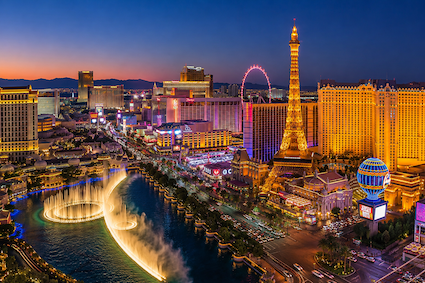
Las Vegas, Nevada, USA
Las Vegas is a city built around spectacle, imagination, and constant reinvention. Rising from the Mojave Desert in southern Nevada, it has transformed from a railroad [read more.]
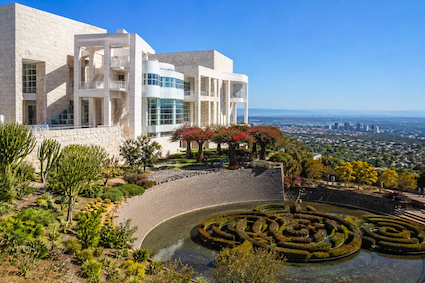
The Getty Center, Los Angeles, California, USA
Perched high in the Santa Monica Mountains above Los Angeles, the Getty Center is much more than a museum. Designed by American architect Richard Meier and opened in 19 [read more.]
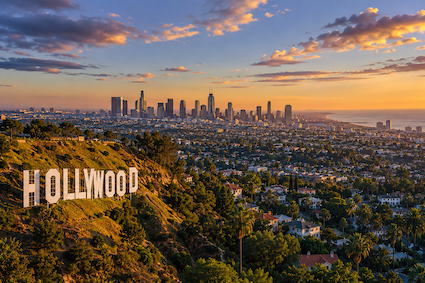
Los Angeles, California, USA
Los Angeles is a city built on movement, creativity, and reinvention. Stretching from the Santa Monica Mountains to the Pacific Ocean, it combines the glamour of Hollyw [read more.]
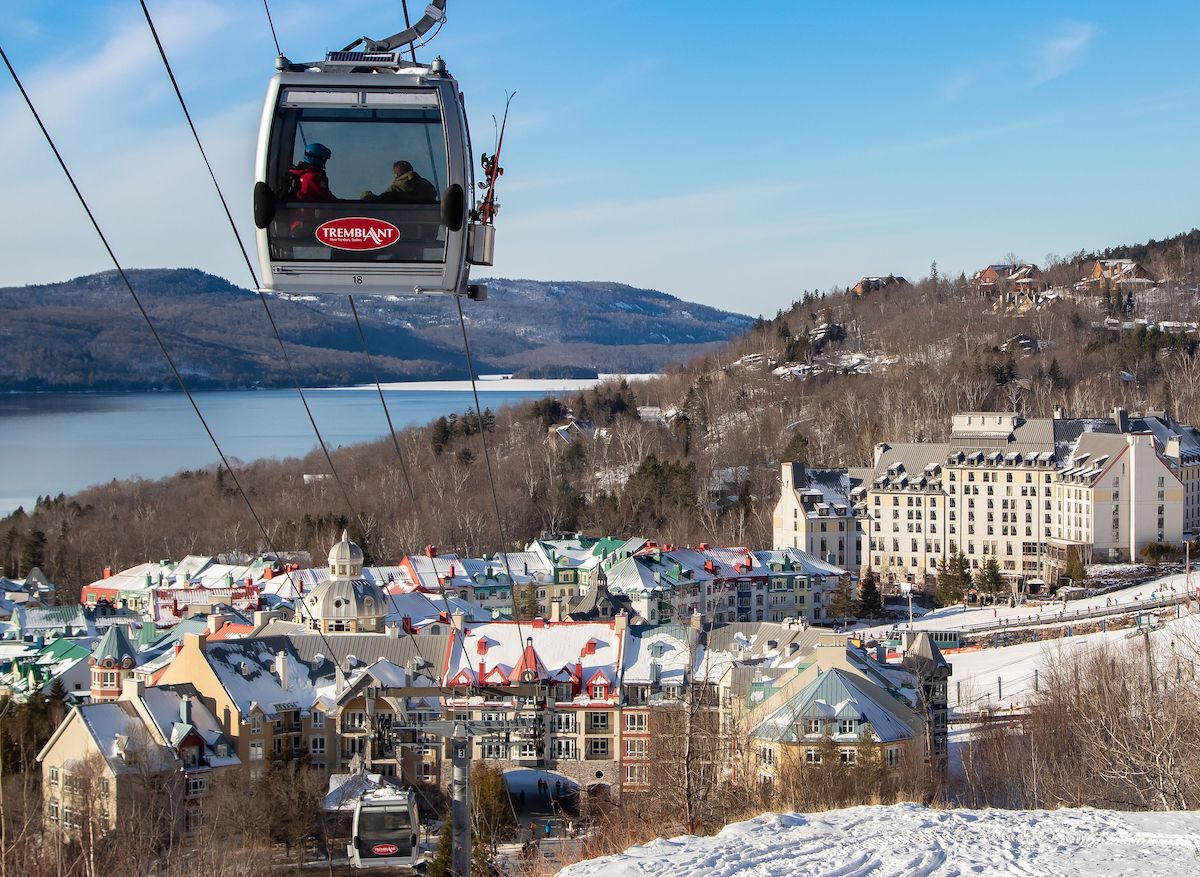
Mont-Tremblant, Canada
Mont-Tremblant, in the province of Quebec, Canada, is a city located in the Laurentian Mountains, about 125 kilometers from Montreal. Although sometimes informally refe [read more.]
To see more Waypoints in North America, please become a member here.
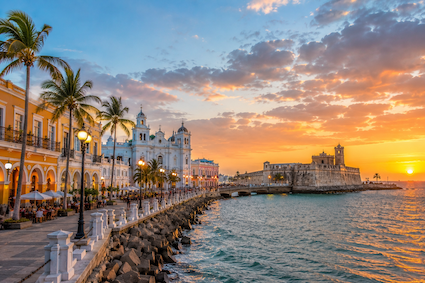
Veracruz, México
Veracruz is one of Mexico's most historically significant coastal cities, a place where the country's colonial history, maritime traditions, Afro-Caribbean influenc [read more.]
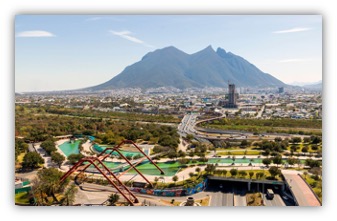
Monterrey, Mexico
Monterrey, capital of Nuevo León, is one of northern Mexico's most important cities and a destination where industrial history, contemporary culture, regional cuisin [read more.]
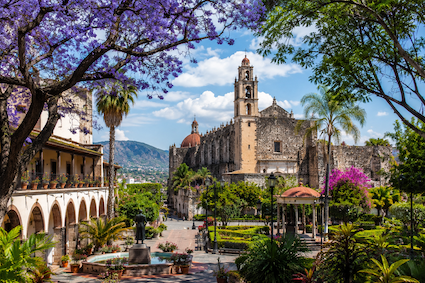
Cuernavaca, México
Cuernavaca is a city of gardens, historic estates, ancient traditions, and a remarkably mild climate. Located in the state of Morelos, approximately 85 kilometers south [read more.]
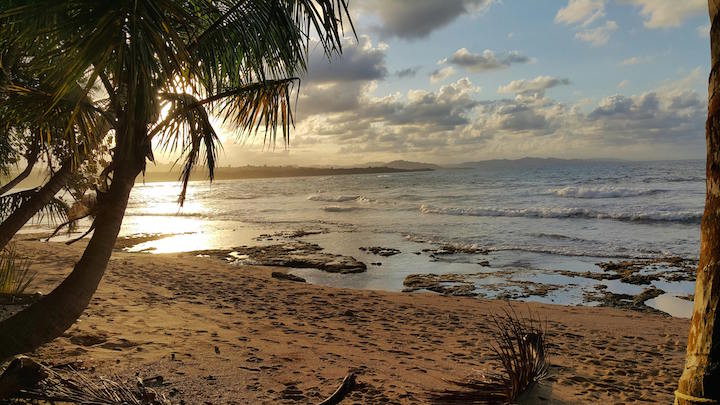
Costa Rica, Lemon
Limón, officially Puerto Limón, is Costa Rica's Caribbean gateway and a city whose identity was shaped as much by migration as by the sea. Christopher Columbus arri [read more.]
To see more Waypoints in Central America, please become a member here.
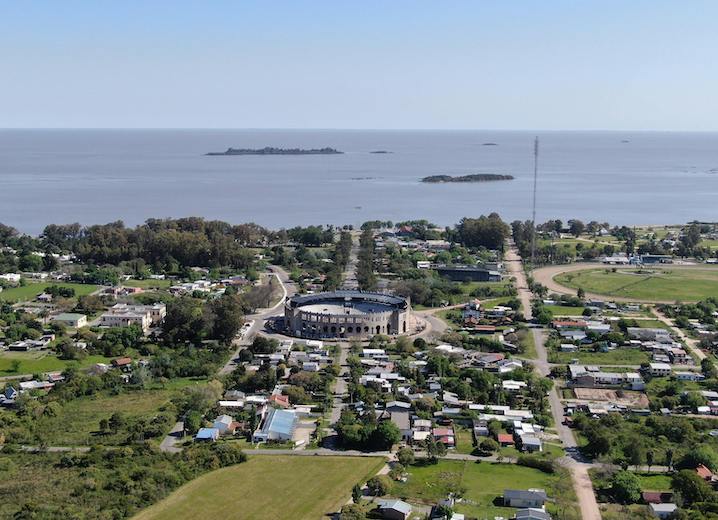
Colonia del Sacramento, Uruguay
Colonia del Sacramento sits on Uruguay's western coast facing Buenos Aires across the Río de la Plata, a compact historic city known for cobblestone streets, low col [read more.]
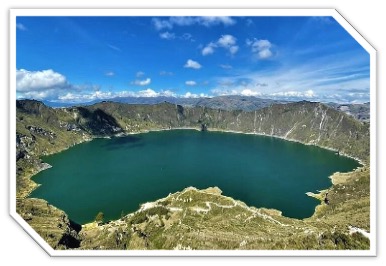
Lagoon Quilotoa, Ecuador
Quilotoa is one of Ecuador’s most spectacular high-altitude landscapes: a water-filled volcanic caldera set at approximately 3,914 meters in the Andes of Cotopaxi Pro [read more.]
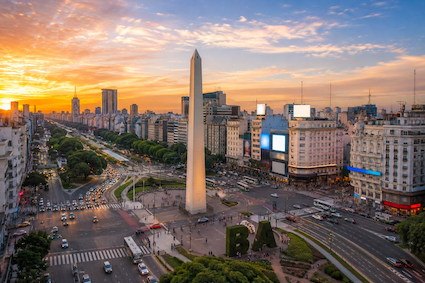
Buenos Aires, Argentina
Buenos Aires is a city of grand avenues, historic neighborhoods, elegant architecture, passionate cultural traditions, and an unmistakable rhythm of its own. Located on [read more.]
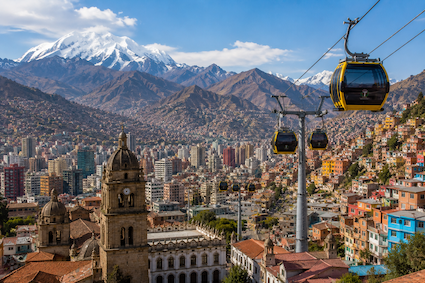
La Paz, Bolivia
La Paz is one of South America's most extraordinary urban destinations, a city built into a dramatic Andean valley where steep hillsides, dense neighborhoods, snow-co [read more.]
To see more Waypoints in South America, please become a member here.
Tulum, México
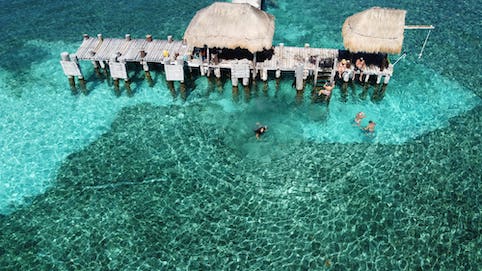
Isla Mujeres, México
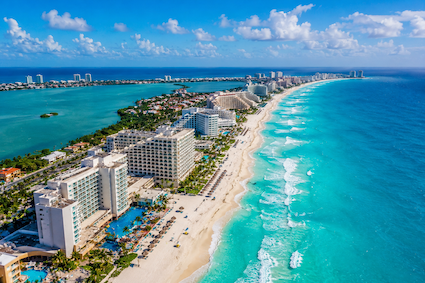
Cancún, Caribbean
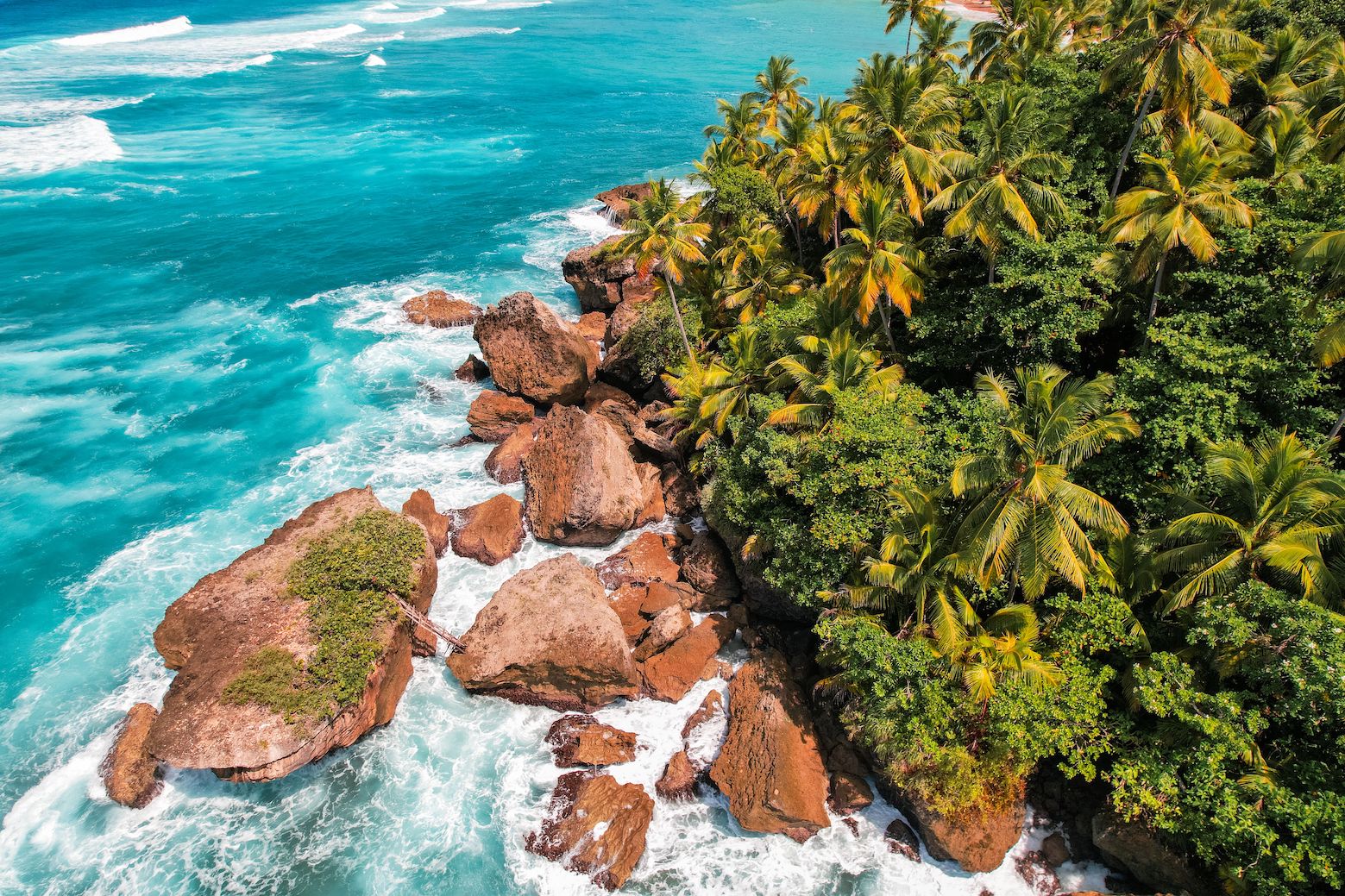
Dominica, Caribbean
To see more Waypoints in The Caribbean, please become a member here.

|
Waypoint Finder (Over 1,000 destinations in PanAmerica) |
|---|

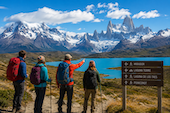
Nature
Tours that connect us with nature.
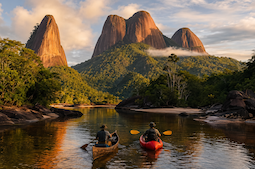
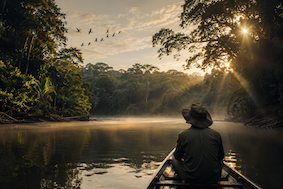
Explore the Tambopata Amazon Reserve
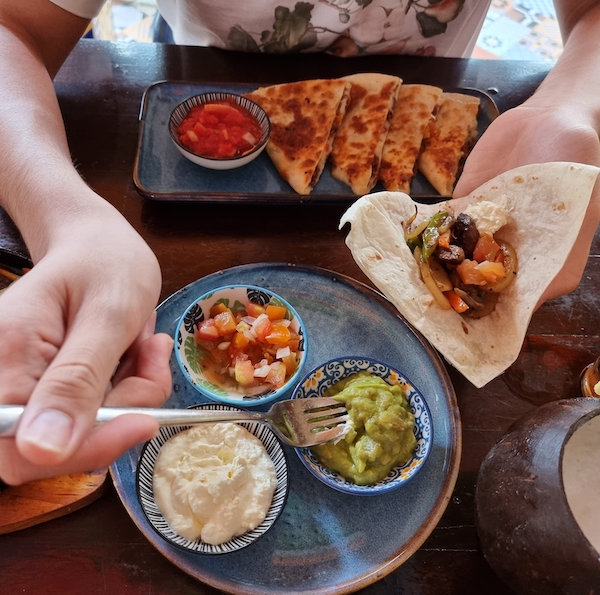
Food & Culture
What's coming up of interest to tourism specialists in Pan America.
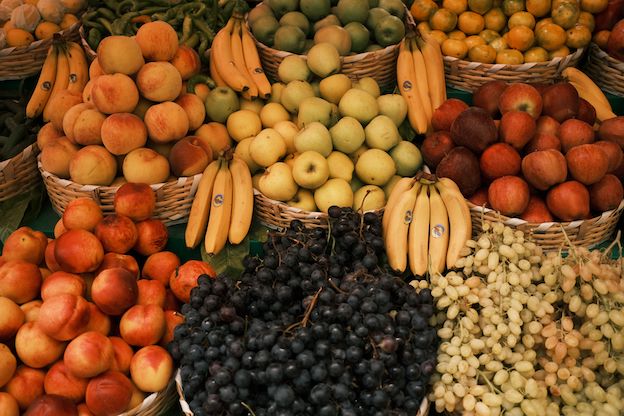
Real City Tours – Exotic Fruits Tour in Medellín, Colombia
Oaxaca Food & Culture Tour – A Culinary Journey Through Mexico’s Indigenous Flavors
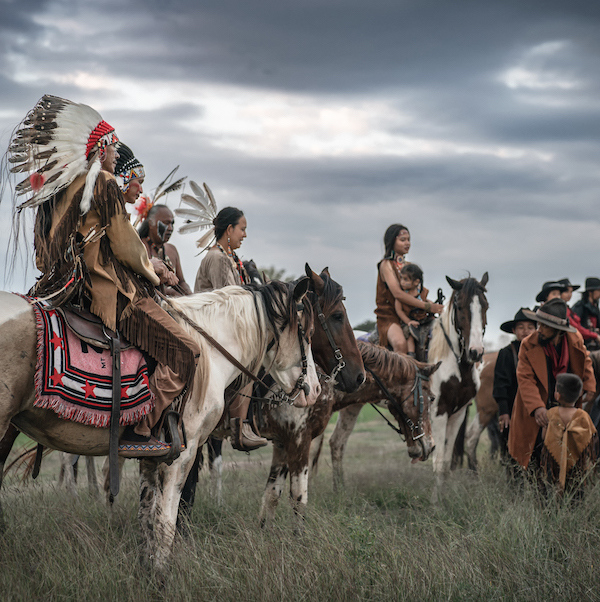
Indigenous Tours
Fashion, romance and wellness for travelers seeking confidence and style.
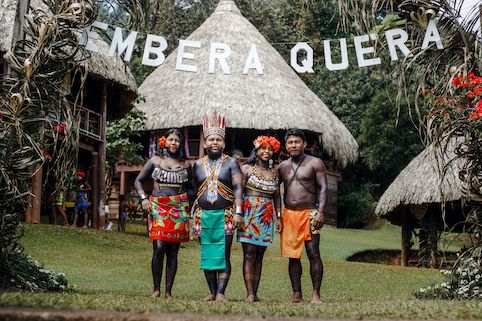
Experience the Emberá of the Darién – On the Only Expedition Operated by An Indigenous Community
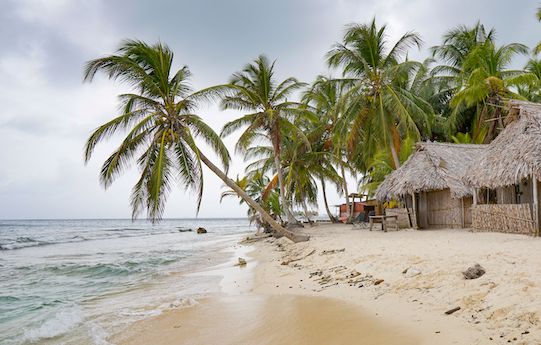
Indigenous Cultural Tour Guna Yala – Discover the Exotic San Blas Islands
Indigenous Canada Tour – Explore First Nations, Inuit And Métis Cultures
Outdoor Sports
Fashion, romance and wellness for travelers seeking confidence and style.
North Patagonia Ice Field Expedition Tour In Chile