 |
So Many Places To Visit!
|
------- |

Dominican Republic |
DOMINICAN REPUBLIC -- METROPOLIS -----------------54[ARTICLE] | |||
The Colonial Capital of Santo Domingo
By Estefanía Muriel for Ruta Pantera on 7/25/2025 8:01:18 PM |
||||
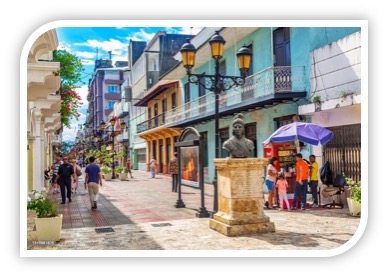
| The Colonial City of Santo Domingo is the historic heart of the Dominican capital and one of the most important cultural destinations in the Caribbean. Founded in 1498 by Bartholomew Columbus, brother of Christopher Columbus, it is the first European city in the New World. This area, declared a UNESCO World Heritage Site in 1990, preserves a remarkable collection of colonial architecture, cobblestone streets, and historic fortresses that tell the story of the beginning of colonization in the Americas. Among its jewels are the Primate Cathedral of the Americas, built between 1512 and 1540, and the Ozama Fortress, the oldest fortress on the continent. Walking through the Colonial City is like stepping back more than 500 years in Latin American history. | ||||

|
What makes the Colonial City unique A curious fact is that Las Damas Street, which runs through the Colonial City, is the first paved street in the New World. Furthermore, this city was the site of the first cathedral, university, and hospital in the Americas. It's also relevant to mention that parts of movies like The Godfather II and Fast and Furious 4 were filmed in its buildings , thanks to its well-preserved colonial aesthetic. Every corner is steeped in urban legends, such as the one about the spirit that roams the Dominican Convent, and some museums even offer themed nighttime tours with a mysterious twist. | |||

|
Highlights you can't miss Visiting the Colonial City also means sampling its excellent cuisine. A must-see is the Mesón de Bari restaurant , located on Hostos Street, where visitors can try the famous Dominican dish "la bandera" (rice, beans, and meat) for approximately $9 USD. Also recommended is the shrimp mofongo, a staple on many local menus, with prices ranging from $12–15 USD. As for parties, don't miss Santo Domingo's Carnival in February, when the Colonial City is filled with parades, music, and traditional costumes. Also in August is the Long Night of the Museums , a free cultural event where the area's main museums stay open until midnight, with concerts and street performances. Options to continue discovering Very close to the Colonial City are important attractions. The Museum of the Royal Houses offers an immersion in colonial history for an admission fee of $2 USD. You can also visit the National Pantheon, where the remains of Dominican national heroes rest, and admission is free. Just a few meters away, the Alcázar de Colón, home to Christopher Columbus's son, Diego Colón, charges $1.66 USD for general admission. Colón Park, just in front of the Cathedral, is another must-see spot, ideal for resting, watching street performers, and taking iconic photos. About a 15-minute drive away is Independence Park, home to the Altar of the Fatherland, and also the Museum of the Dominican Man, which focuses more on the country's Taíno and African roots, with admission for $2.50 USD. The best way to access the place Getting to the Colonial City from Las Américas International Airport involves a journey of approximately 30 km, equivalent to about 40 minutes by taxi, at an approximate cost of $34 USD. There are multiple accommodation options within the colonial zone. Boutique hotels such as the Hodelpa Nicolás de Ovando offer rooms starting at $120 USD per night, while more affordable hostels such as Casa Naemie or Island Life Hostel range from $25 to $40 USD per night. Getting around the area is best on foot, as most streets are pedestrianized or have limited traffic. Alternatively, you can use the motoconcho (motorbike taxi) or Uber, which operate very well in the city, with fares between $2 and $4 USD for short trips. The best times to visit are between December and April, when the weather is cooler and drier. May through October tend to be hotter and rainier, with a higher likelihood of tropical storms, although this is also the low season for tourism and prices drop. Practical and safety tips In terms of practical advice, it's recommended to wear light but comfortable clothing, use sunscreen, and stay hydrated, especially if visiting during the warmer months. Although the Colonial Zone is fairly safe and well patrolled by the Tourist Police, it's best to avoid dark streets at night and avoid displaying valuables. Carrying some cash in Dominican pesos can be useful for small purchases or entry fees, although many establishments accept cards. It's also suggested to wear comfortable shoes for walking on cobblestone streets. The friendliness of the Dominican people is an essential part of the experience, so don't hesitate to interact with the locals to learn more about the oral history of this vibrant and unique place. | |||
| --rutapanter.com-- |
| Instagram: | Email contact: | Interest area: |

The San Juan Islands, United States
Located in the far northwest of Washington state, near the Canadian border and between the mainland and Vancouver Island, the San Juan Islands are an archipelago of mor [read more.]
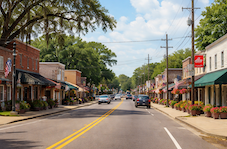
Whistler, Alabama, United States
Whistler is a small community located in Mobile County, Alabama, in the southeastern United States. It is not a traditional tourist town or a mass tourism destination, [read more.]
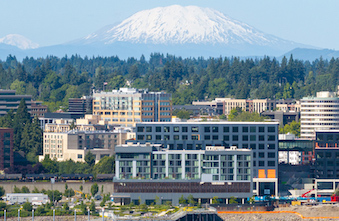
Vancouver, United States
Vancouver is a city located in Washington state, just north of the Columbia River and across the river from Portland, Oregon. Although many people confuse it with the f [read more.]
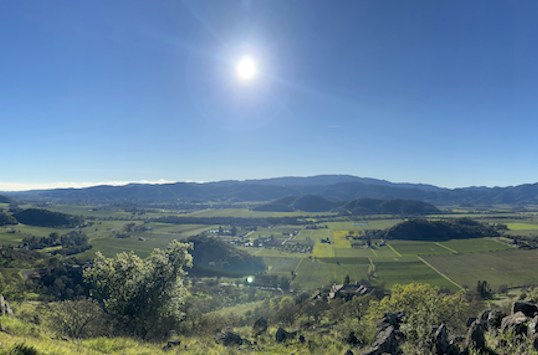
Napa Valley, California. United States
Napa Valley is one of the world's most prestigious wine regions, located in Northern California, approximately 80 kilometers from San Francisco. Its modern history be [read more.]
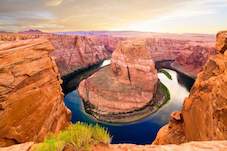
Grand Canyon, United States
The Grand Canyon is one of the most iconic natural landmarks in the world, located in northern Arizona and carved over millions of years by the Colorado River. Stretchi [read more.]
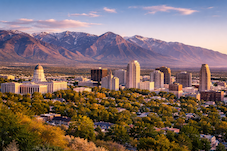
Salt Lake City, United States
Salt Lake City is the capital of the state of Utah and the cultural and economic center of the region known as the Wasatch Front. Founded in 1847 by Mormon pioneers led [read more.]
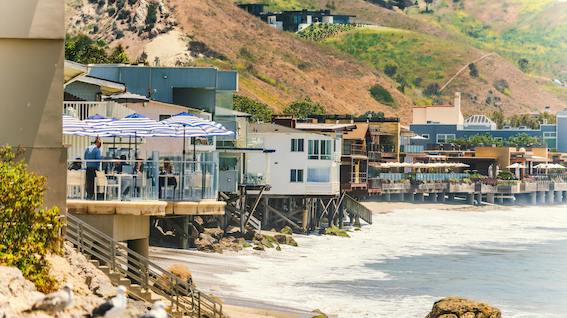
Malibu, United States
Malibu is a coastal city located in the state of California, about 30 miles west of downtown Los Angeles. Known for its scenic beaches, Pacific Ocean cliffs, and celebr [read more.]
To see more Waypoints in North America, please become a member here.
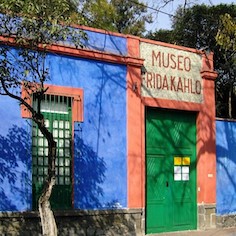
The Frida Kahlo Museum
The Frida Kahlo Museum, known worldwide as the Blue House, is located in the heart of Coyoacán, one of Mexico City’s oldest and most culturally rich neighborhoods. B [read more.]
Dominica, Caribbean
Dominica is an island country located in the Lesser Antilles of the Caribbean, situated between the French islands of Guadeloupe (to the north) and Martinique (to the south). Its capital and [read more.]
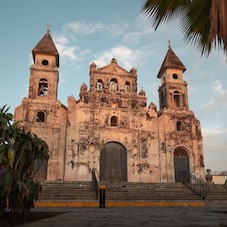
Granada, Nicaragua
Granada, also known as the "Great Sultana," is one of Nicaragua's most prominent colonial cities, renowned for its abundance of churches and religious facades. Founded in the 16th century, [read more.]
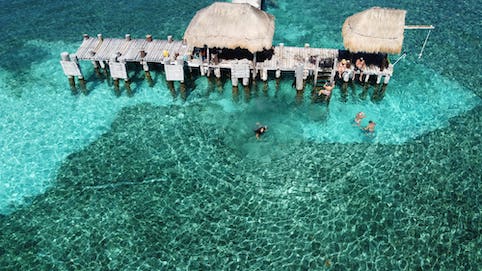
Isla Mujeres, México
Off the coast of Cancún, just 19.7 kilometers across the Caribbean Sea, lies Isla Mujeres, “a small paradise where Mayan history, island tranquility, and sustainable tourism converge” ( [read more.]
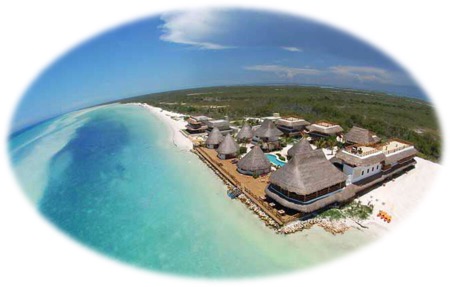
Holbox Island, Mexico
Holbox Island, whose name means "black hole" in Mayan and is pronounced "hol-bosh," is a peaceful island located in the Yucatán Channel, north of the peninsula, in the state of Quintana Roo [read more.]
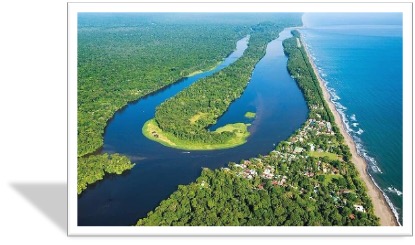
Barra del Colorado, Costa Rica
Barra del Colorado is a remote enclave located on the northeastern tip of Costa Rica's Caribbean coast, in the province of Limón, bordering Nicaragua. It has been protected as a National [read more.]
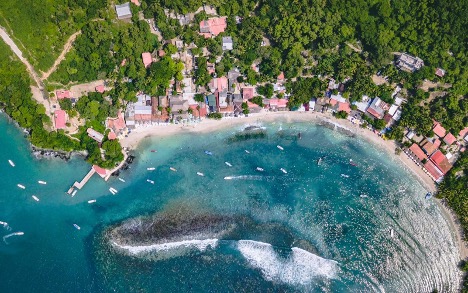
Zihuatanejo, Mexico
Zihuatanejo is a former fishing village located in the bay of the same name, surrounded by the Sierra Madre del Sur mountains. It developed alongside Ixtapa since the 1970s, but retaining it [read more.]
To see more Waypoints in Central America, please become a member here.
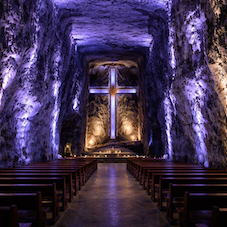
The Salt Cathedral of Zipaquirá, Colombia
The Salt Cathedral of Zipaquirá is an underground temple carved into a former salt mine, located in the Salt Park on the outskirts of Zipaquirá (Cundinamarca). Its modern architecture comb [read more.]
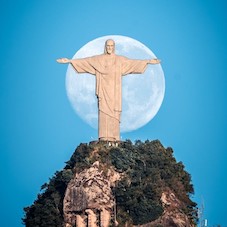
Christ the Redeemer, Rio de Janeiro
Christ the Redeemer stands atop Corcovado Mountain, within Tijuca National Park, dominating the Rio de Janeiro skyline with an imposing and serene presence. This monumental statue, 30 meters [read more.]
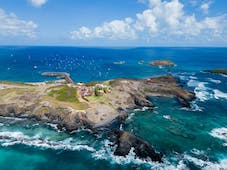
Fernando de Noronha, Brazil
Fernando de Noronha is a small volcanic archipelago in the South Atlantic. It is famous for its golden sand beaches, crystal-clear waters, and abundant marine life; much of the territory (ap [read more.]
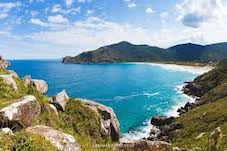
Florianópolis, Brazil
Florianópolis, affectionately known as Floripa, is the capital of the state of Santa Catarina, located partly on Santa Catarina Island and partly on the mainland in southern Bra
[read more.]

Chapada Diamantina, Brazil
Chapada Diamantina National Park, created in 1985 and managed by ICMBio, protects over 152,000 hectares of the Serra do Sincorá mountain range in the state of Bahia. Its territory encompass [read more.]
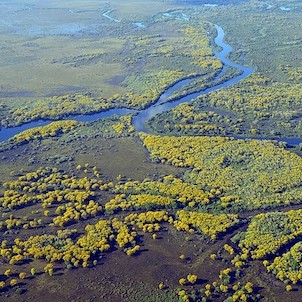
The Great Pantanal, Brazil
The Gran Pantanal is the world’s largest expanse of tropical wetlands, a vast territory of floodplains that extends primarily across the Brazilian states of Mato Grosso do Sul and Mato Gro [read more.]
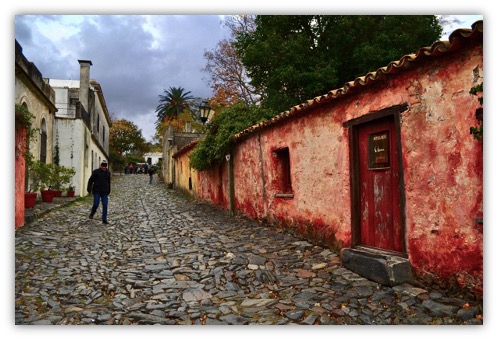
Sacramento Colony, Uruguay.
Colonia del Sacramento, on Uruguay's western coast opposite Buenos Aires, is a magnet for those seeking photogenic charm, cobblestone streets, and a leisurely pace. Founded by the Portugue [read more.]
To see more Waypoints in South America, please become a member here.
Port of Spain, Trinidad and Tobago
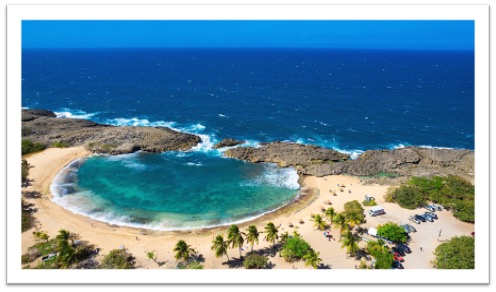
Puerto Rico
The Colonial Capital of Santo Domingo
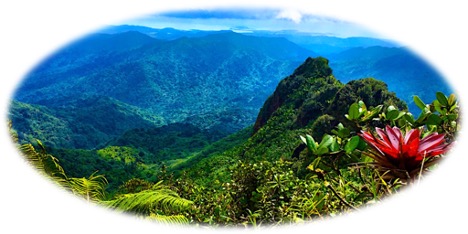
El Yunque, Puerto Rico
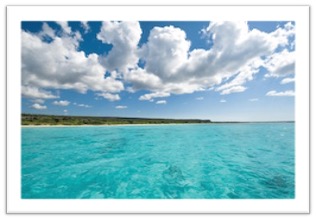
Eagles Bay, Dominican Republic
To see more Waypoints in The Caribbean, please become a member here.

|
Waypoint Finder (Over 1,000 destinations in PanAmerica) |
|---|