 |
So Many Places To Visit!
|
----------- |

Cuba Related Articles: |
CUBA -- CULTURAL SITE -----------------584[ARTICLE] | |||
Havana, CubaCaribbean Grandeur, Colonial Streets and Revolutionary MemoryBy Marbel Montoya for Ruta Pantera on 3/19/2026 6:19:39 AM |
||||
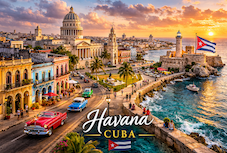
| Havana, the vibrant capital of Cuba, stands as one of the most historically layered and culturally expressive cities in the Caribbean. Positioned along the Straits of Florida, the city developed into a strategic port of the Spanish Empire soon after its founding in 1519. For centuries, its harbor connected Europe, the Americas and the wider Atlantic world, transforming Havana into a fortified gateway for trade, naval power and migration. Today, Havana presents a striking contrast between grand colonial architecture, mid-20th-century urbanism and the rhythms of everyday Cuban life. The historic district of Old Havana is among the most extensive preserved colonial centers in the Americas and was designated a UNESCO World Heritage Site in 1982. Walking through its narrow streets reveals baroque cathedrals, pastel facades, arcaded plazas and balconies draped with tropical plants. Vintage American cars from the 1950s cruise through the avenues while music drifts from cafés and open windows, creating a living landscape where past and present coexist. Beyond its architectural beauty, Havana remains a cultural capital of the Caribbean. Literature, cinema, music and visual arts have flourished here for decades, making the city not only a historical destination but also a creative hub that continues to shape Cuba’s national identity. | ||||

|
A City Built on Empire and Defense
Havana’s early history was defined by its strategic maritime location. Spanish authorities invested heavily in fortifications to protect the city from pirates and rival colonial powers. Guarding the entrance of Havana Bay is Castillo del Morro, an imposing 16th-century fortress that once controlled naval access to the harbor. Its lighthouse remains one of the most recognizable landmarks in the city. Across the bay rises La Cabaña Fortress, one of the largest colonial fortifications in the Americas. Built in the eighteenth century after the British briefly captured Havana in 1762, the fortress symbolized Spain’s determination to maintain control over its Caribbean territories. Today, the complex houses museums, cultural spaces and the nightly “Cañonazo” ceremony, when a ceremonial cannon shot echoes across the harbor at sunset. The colonial urban core also features grand plazas such as Plaza de Armas and Plaza Vieja, where merchants, soldiers and travelers once gathered during the height of Spanish rule. |
|||
 Add this article to your favorites
[FOR MEMBERS ONLY]
Add this article to your favorites
[FOR MEMBERS ONLY]
Copy this link to send this article to a friend: [FOR MEMBERS ONLY] |
||||

|
Revolutionary Havana Modern Havana cannot be understood without its revolutionary legacy. The city became the political and symbolic center of the Cuban Revolution, which brought Fidel Castro to power in 1959. Alongside him stood figures such as Che Guevara, whose image has become one of the most recognizable political icons of the twentieth century. Several locations throughout Havana reflect this transformative era. Government buildings, museums and monuments commemorate the revolutionary struggle and its lasting impact on Cuban society. While the political narratives surrounding the revolution remain complex and often debated, they form an essential part of Havana’s identity and historical memory. |
|||
| Art, Music and Cultural Life
Havana’s cultural vitality is expressed through music, dance and visual arts. Afro-Cuban rhythms such as son, rumba and salsa echo through the streets and live music venues throughout the city. Jazz clubs, cultural centers and neighborhood stages host performances that reflect Cuba’s rich musical traditions. The city also maintains strong literary and artistic connections to international figures. Among the most famous residents was Ernest Hemingway, who lived in Cuba for more than twenty years. His presence remains part of Havana’s cultural mythology, particularly in historic establishments like La Bodeguita del Medio, where visitors gather for mojitos while photographs of writers, artists and musicians line the walls. Museums, galleries and restored theaters across Havana highlight the country’s artistic heritage, making the city an essential destination for travelers interested in Caribbean culture. |
||||
| The Malecón and the Life of the City
One of Havana’s most iconic urban spaces is the Malecón, an eight-kilometer coastal boulevard that runs along the northern edge of the city. Built in the early twentieth century, the Malecón functions as both a scenic waterfront and a social gathering place where locals meet to fish, talk, play music and watch the sunset. In the evenings, the promenade fills with residents and visitors enjoying the ocean breeze while waves crash against the sea wall. Few places capture the spirit of Havana more vividly than this shoreline, where everyday life unfolds against the backdrop of the Caribbean Sea. Access, weather and practical tips How do you get there? Most international travelers arrive through José Martí International Airport, located about 20 kilometers from the historic center. Taxis and private transfers connect the airport to major hotels and neighborhoods. When is the best time to visit? The most comfortable season runs from November to April, when temperatures average between 24 and 28 °C and rainfall is relatively low. Summers are hotter and more humid, though still popular for cultural festivals and music events. Where to stay and what does it cost? Accommodation ranges from restored colonial hotels in Old Havana to private guesthouses known as casas particulares. Prices generally range from USD 80 to USD 300 per night depending on location and comfort level. Practical tips Havana is best explored on foot, especially within Old Havana’s compact historic streets. Bring cash, as international banking services can be limited, and plan visits early in the day to avoid the tropical heat. Sunset along the Malecón remains one of the most memorable experiences in the city. Havana is not simply a destination—it is a living archive of Caribbean history. From colonial fortresses and revolutionary monuments to music-filled streets and oceanfront boulevards, the city reveals layer upon layer of cultural memory. Visiting Havana means stepping into a place where architecture, politics and artistic expression intertwine, creating one of the most distinctive urban experiences in the Americas. |
||||
| --rutapanter.com-- | ||
|
References: UNESCO. (2024). Old Havana and its Fortification System. https://whc.unesco.org Lonely Planet. (2024). Havana travel guide. https://www.lonelyplanet.com National Geographic. (2023). Havana: History and culture of Cuba’s capital. https://www.nationalgeographic.com
| |
|
| Instagram: | Email contact: | Interest area: |

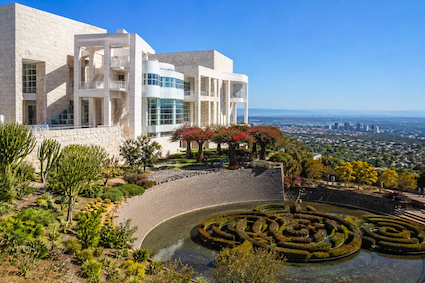
The Getty Center, Los Angeles, California, USA
Perched high in the Santa Monica Mountains above Los Angeles, the Getty Center is much more than a museum. Designed by American architect Richard Meier and opened in 19 [read more.]
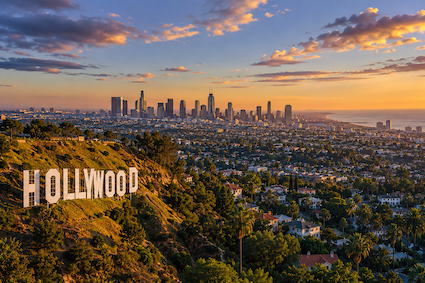
Los Angeles, California, USA
Los Angeles is a city built on movement, creativity, and reinvention. Stretching from the Santa Monica Mountains to the Pacific Ocean, it combines the glamour of Hollyw [read more.]
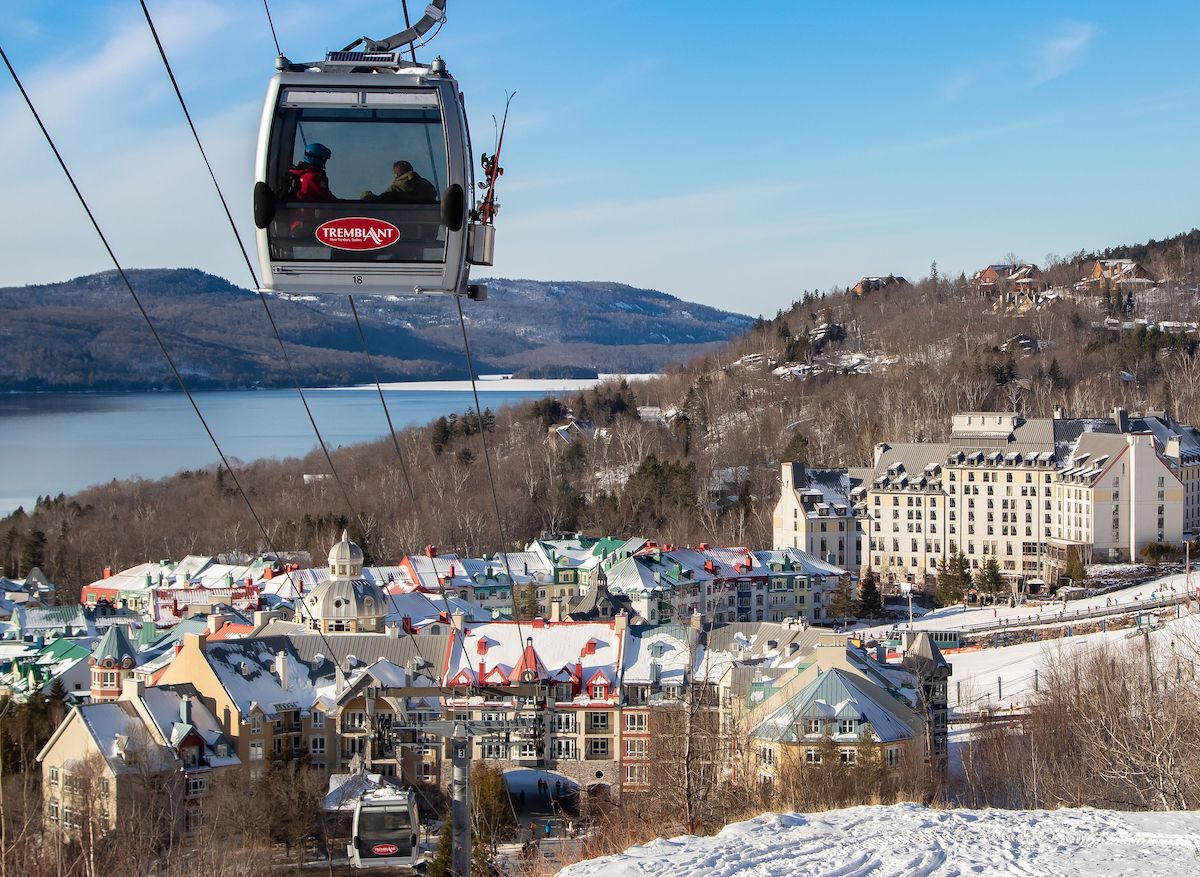
Mont-Tremblant, Canada
Mont-Tremblant, in the province of Quebec, Canada, is a city located in the Laurentian Mountains, about 125 kilometers from Montreal. Although sometimes informally refe [read more.]
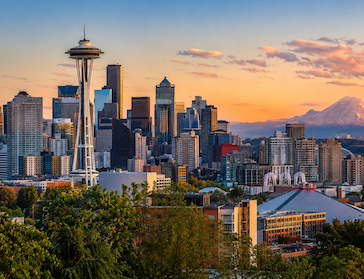
Seattle, Washington, USA
Seattle is a city where water, mountains, forests, and contemporary urban culture come together to create one of the most distinctive destinations on the Pacific Coast. [read more.]
To see more Waypoints in North America, please become a member here.
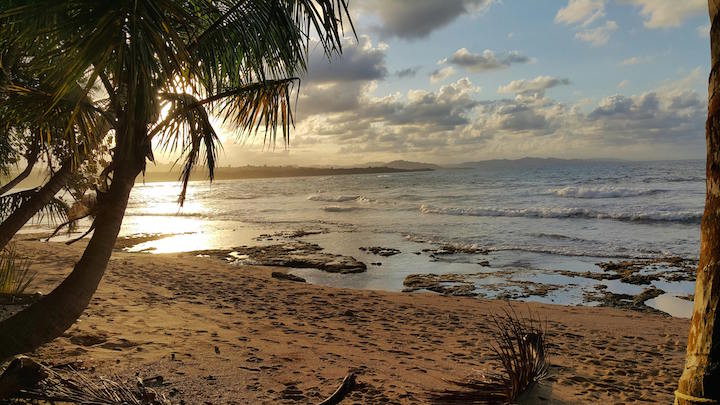
Costa Rica, Lemon
Limón, officially Puerto Limón, is Costa Rica's Caribbean gateway and a city whose identity was shaped as much by migration as by the sea. Christopher Columbus arri [read more.]
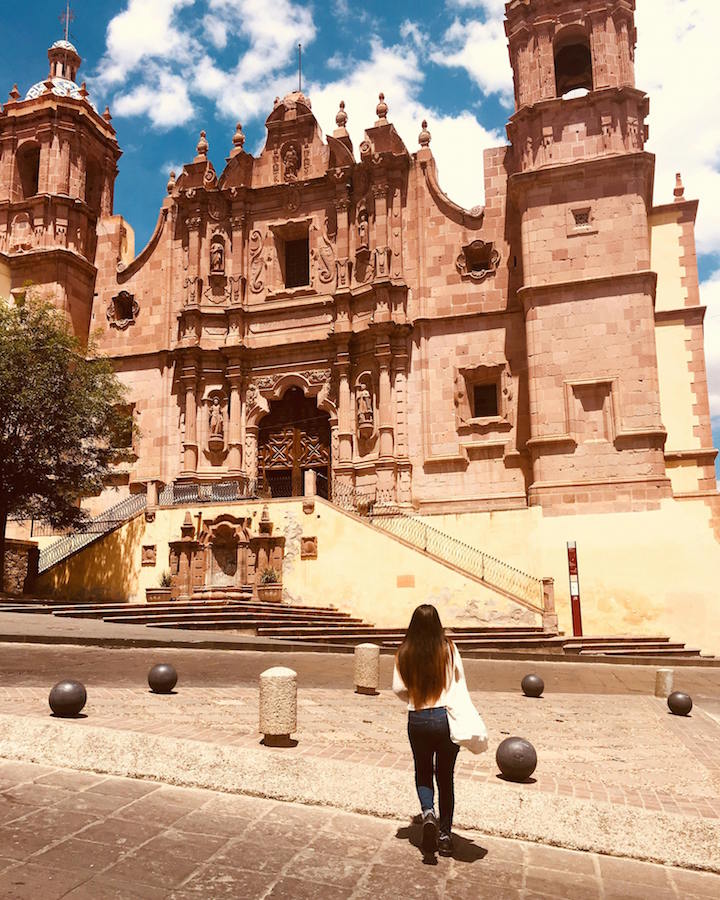
Zacatecas, Mexico
Zacatecas rose from the discovery of rich silver deposits in 1546 to become one of the most prosperous mining centers of New Spain. Built across the steep slopes of a n [read more.]
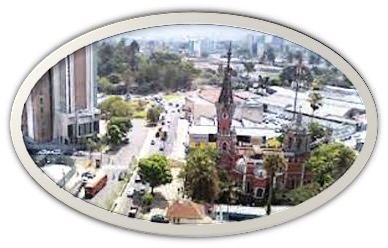
Guatemala City
Guatemala City sits in the highlands at more than 1,400 meters above sea level, surrounded by volcanoes and built over a landscape that has been inhabited for centuries [read more.]
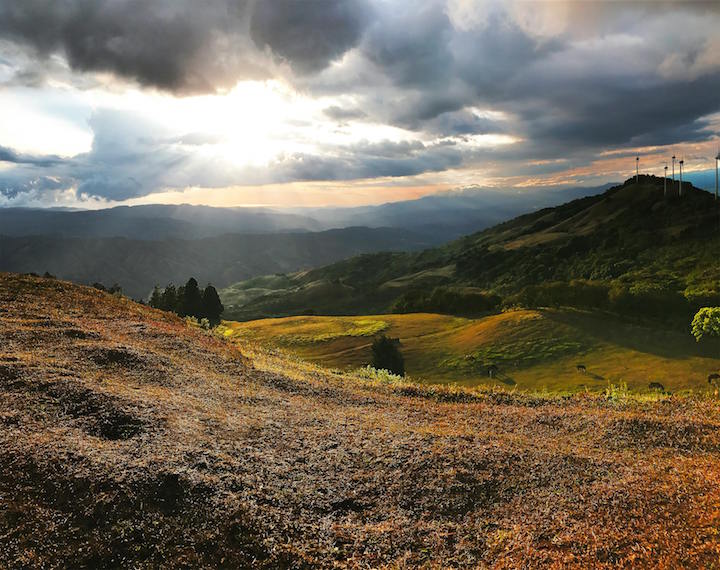
San José, Costa Rica
San José is Costa Rica's capital and the country's main urban, political, economic, and cultural center. Founded in 1737, it grew rapidly during the 19th century a [read more.]
To see more Waypoints in Central America, please become a member here.
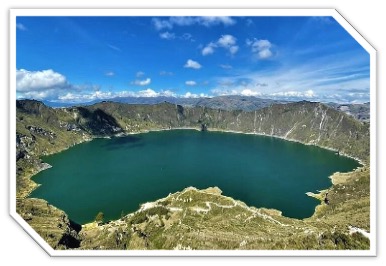
Lagoon Quilotoa, Ecuador
Quilotoa is one of Ecuador’s most spectacular high-altitude landscapes: a water-filled volcanic caldera set at approximately 3,914 meters in the Andes of Cotopaxi Pro [read more.]
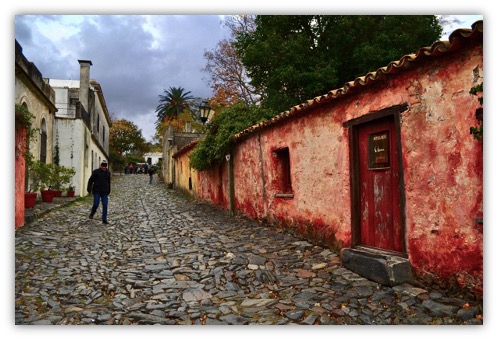
Sacramento Colony, Uruguay.
Colonia del Sacramento is one of Uruguay’s most atmospheric destinations, a small city on the Río de la Plata where Portuguese and Spanish history survives in street [read more.]
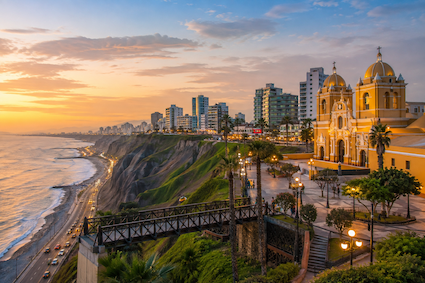
Lima, Perú
Lima is a city where Peru's ancient civilizations, colonial history, Pacific coastline, and contemporary creativity converge. Set along dramatic coastal cliffs overlo [read more.]
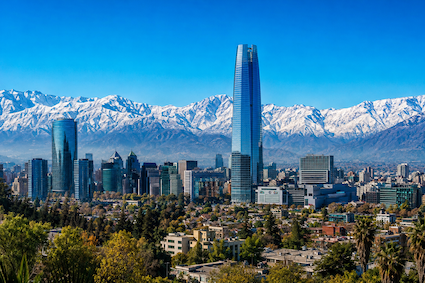
Santiago, Chile
Santiago is a city defined by contrasts: a sophisticated modern capital surrounded by the dramatic peaks of the Andes, a historic center shaped by centuries of Chilean [read more.]
To see more Waypoints in South America, please become a member here.
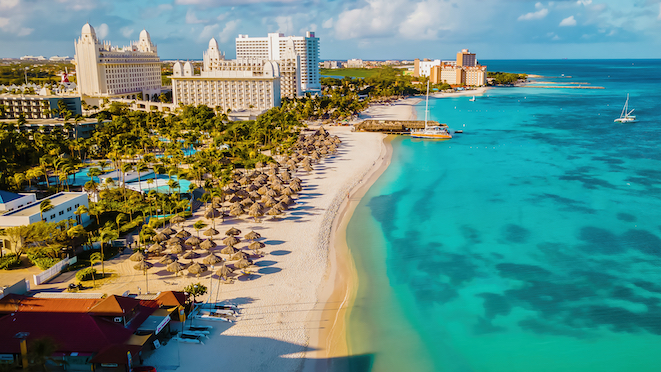
The Bahamas
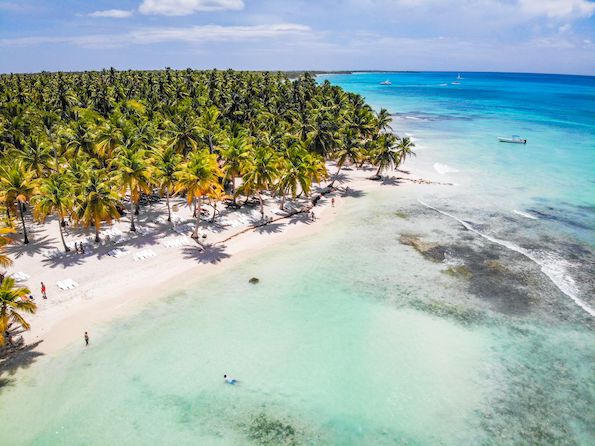
Dominican Republic
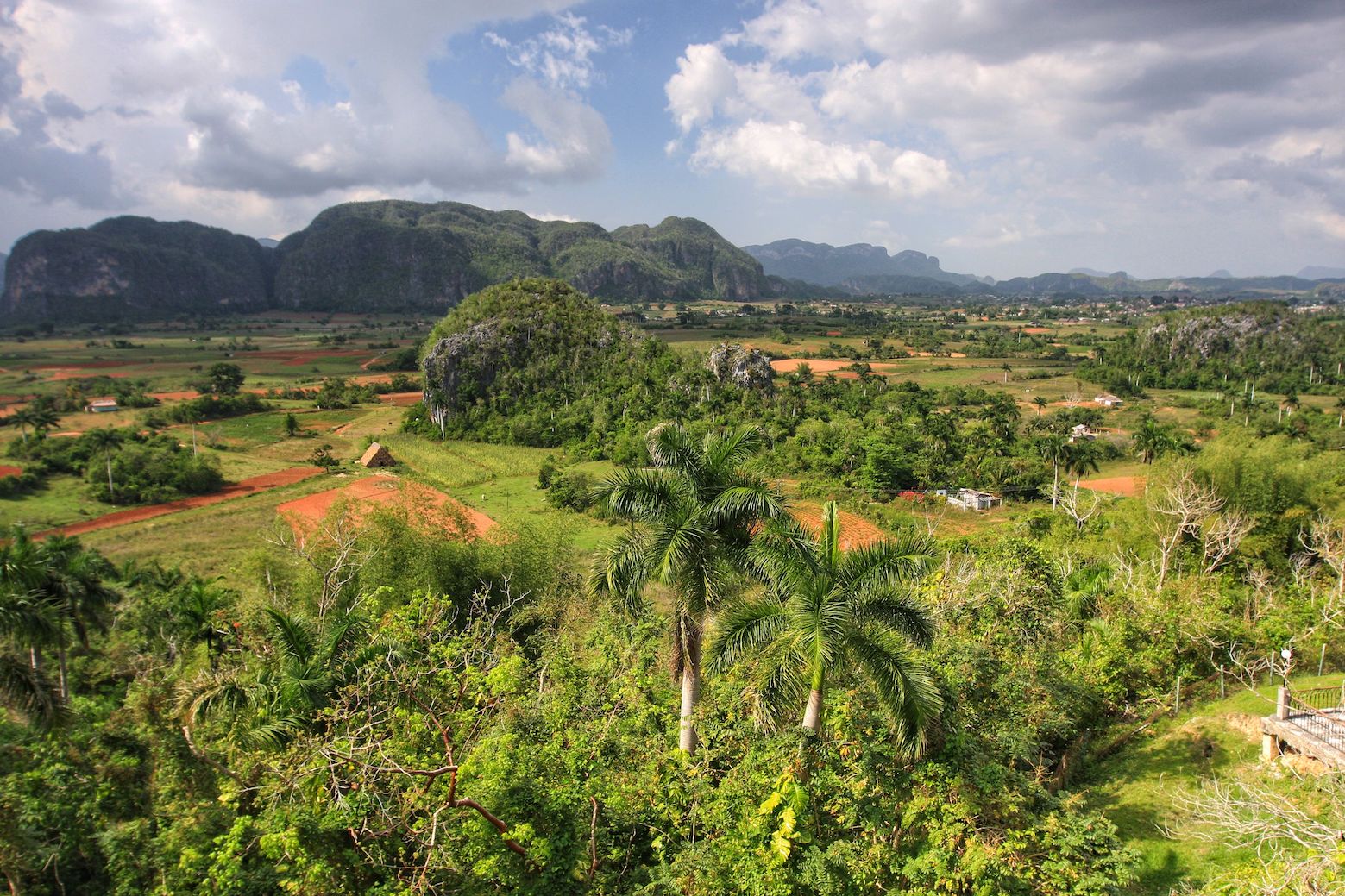
Viñales, Cuba
Havana, Cuba
To see more Waypoints in The Caribbean, please become a member here.

|
Waypoint Finder (Over 1,000 destinations in PanAmerica) |
|---|

Nature
Tours that connect us with nature.
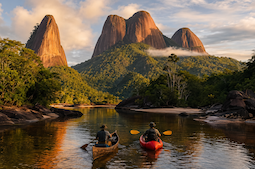
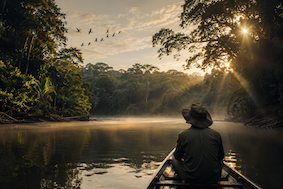
Explore the Tambopata Amazon Reserve
Food & Culture
What's coming up of interest to tourism specialists in Pan America.
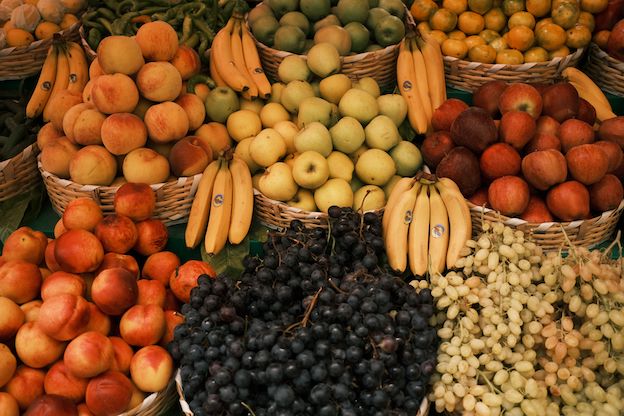
Real City Tours – Exotic Fruits Tour in Medellín, Colombia
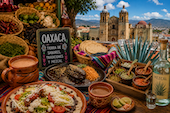
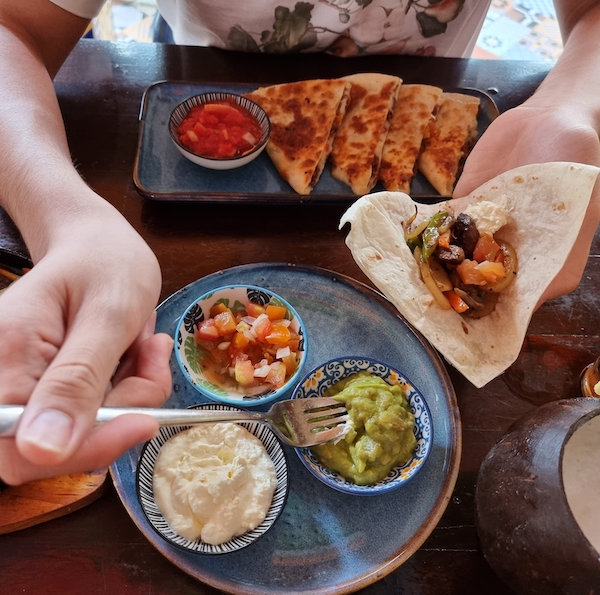
Oaxaca Food & Culture Tour – A Culinary Journey Through Mexico’s Indigenous Flavors
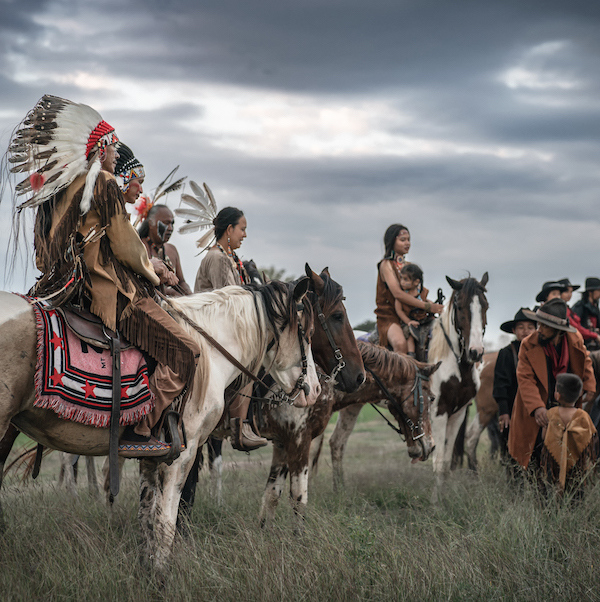
Indigenous Tours
Fashion, romance and wellness for travelers seeking confidence and style.
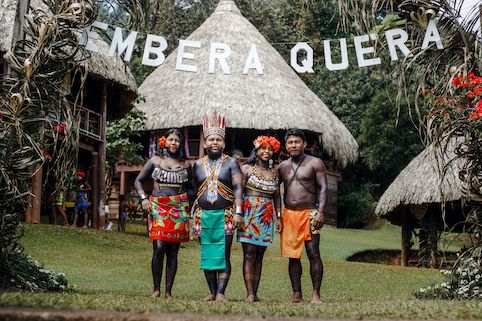
Experience the Emberá of the Darién – On the Only Expedition Operated by An Indigenous Community
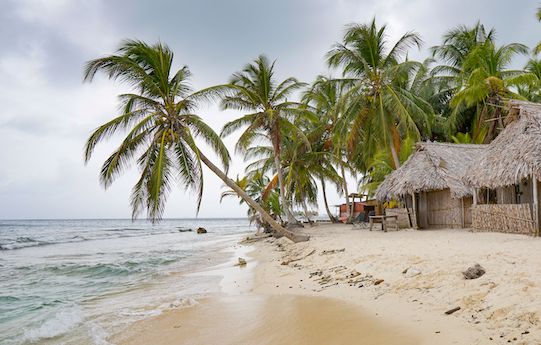
Indigenous Cultural Tour Guna Yala – Discover the Exotic San Blas Islands
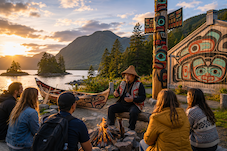
Indigenous Canada Tour – Explore First Nations, Inuit And Métis Cultures
Outdoor Sports
Fashion, romance and wellness for travelers seeking confidence and style.
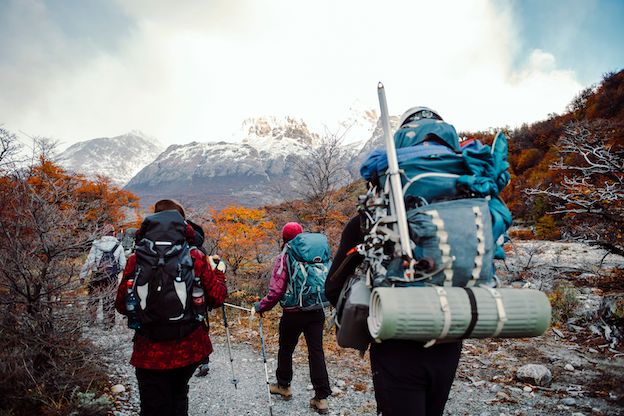
North Patagonia Ice Field Expedition Tour In Chile