 |
So Many Places To Visit!
|
----------- |

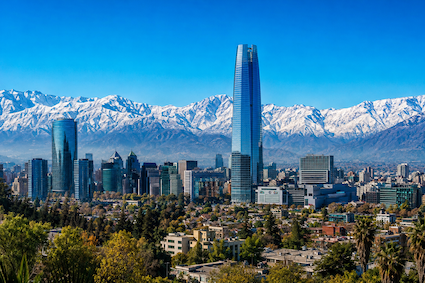
Santiago stretches beneath the snow-capped Andes, where a modern skyline, leafy neighborhoods, and towering glass buildings create a striking contrast between Chile’s urban sophistication and its spec 
Enter country Related Articles: |
ENTER COUNTRY -- METROPOLIS -----------------623[ARTICLE] | |||
Santiago, ChileThe Modern Andean Capital Where Urban Sophistication Meets Mountain LandscapesBy Marbel Montoya for Ruta Pantera on 8/27/2026 1:11:24 PM |
||||
|
Santiago is a city defined by contrasts: a sophisticated modern capital surrounded by the dramatic peaks of the Andes, a historic center shaped by centuries of Chilean history, and a contemporary cultural scene that extends from museums and galleries to restaurants, design districts, and lively neighborhoods. Located in a broad valley in central Chile, Santiago combines urban energy with remarkable access to mountains, vineyards, and natural landscapes, making it one of South America's most versatile destinations. A Historic Capital at the Foot of the Andes Founded in 1541 by Spanish conquistador Pedro de Valdivia, Santiago developed around the Mapocho River and gradually became the political and economic center of Chile. Today, the city's historic core preserves important colonial and republican buildings alongside modern towers and public spaces. Plaza de Armas remains the traditional heart of Santiago. The Metropolitan Cathedral, the Central Post Office, the National History Museum, and other historic buildings surround the square, creating an architectural landscape that illustrates the city's evolution from colonial settlement to modern capital. Nearby, the Palacio de La Moneda is one of Chile's most recognizable buildings. Originally constructed as a colonial mint, it became the seat of the Chilean government and an important symbol of the country's political history. Its monumental neoclassical design contrasts with the contemporary cultural spaces that surround it. |
||||

|
Architecture, Museums, and the Cultural Center Santiago's historic center is increasingly complemented by contemporary architecture and cultural institutions. The Centro Cultural La Moneda, located beneath Plaza de la Ciudadanía, presents exhibitions focused on Chilean and international art, design, photography, and cultural heritage. The Museo Chileno de Arte Precolombino provides another essential perspective on the region's history. Its collection includes objects from Indigenous cultures throughout Latin America, allowing visitors to explore civilizations and artistic traditions that existed long before the arrival of Europeans. The Museum of Memory and Human Rights offers a more contemporary and deeply historical experience, documenting human rights violations during Chile's military dictatorship. Together with Santiago's other museums and cultural institutions, it demonstrates the city's complex relationship with its past. |
|||
 Add this article to your favorites
[FOR MEMBERS ONLY]
Add this article to your favorites
[FOR MEMBERS ONLY]
Copy this link to send this article to a friend: [FOR MEMBERS ONLY] |
||||

|
Cerro San Cristóbal and Santiago From Above One of the best ways to understand Santiago's geography is from Cerro San Cristóbal. Rising above the city within Parque Metropolitano, the hill provides panoramic views across the metropolitan area and toward the Andes on clear days. The summit is crowned by the Sanctuary of the Immaculate Conception and a monumental statue of the Virgin Mary. Visitors can reach the upper levels by funicular, cable car, bicycle, or on foot, making the hill accessible to travelers with different interests and activity levels. Cerro Santa Lucía offers a more intimate urban viewpoint. Located close to the historic center, this landscaped hill contains stairways, fountains, terraces, gardens, and historic structures. Its elevated position provides a closer view of central Santiago and the surrounding architecture. |
|||
| Neighborhoods That Define Modern Santiago Santiago's personality changes considerably from neighborhood to neighborhood. Bellavista is known for its colorful streets, restaurants, bars, cultural venues, and artistic atmosphere. The neighborhood is also closely associated with Chilean poet Pablo Neruda, whose former home, La Chascona, is now a museum dedicated to his life and work. Lastarria offers a more refined cultural atmosphere, with independent bookstores, cafés, restaurants, galleries, museums, and historic architecture concentrated around pedestrian-friendly streets. It is particularly enjoyable for travelers who prefer to explore the city on foot. Barrio Italia combines restored historic buildings with design stores, antique shops, workshops, cafés, and restaurants. Its mix of heritage architecture and contemporary creativity has made it one of Santiago's most interesting neighborhoods for design and lifestyle experiences. A Culinary Destination Surrounded by Vineyards Santiago is also a gateway to one of the world's most important wine-producing regions. The Central Valley surrounding the capital contains renowned wine areas such as Maipo, Casablanca, and Colchagua, making wine tourism an important part of the city's travel experience. Chile's long Pacific coastline also gives Santiago access to exceptional seafood. Dishes featuring sea bass, shellfish, oysters, mussels, and other marine ingredients appear alongside traditional Chilean preparations such as pastel de choclo, empanadas, cazuela, and completos. Contemporary restaurants throughout neighborhoods such as Vitacura, Providencia, Lastarria, and Bellavista increasingly combine Chilean ingredients with international techniques. Local wines provide an important complement to the dining experience, particularly varieties such as Cabernet Sauvignon, Carmenère, Sauvignon Blanc, and Chardonnay. The Andes as Santiago's Outdoor Playground Few major Latin American capitals offer such immediate access to high mountains. The Andes rise dramatically east of Santiago, creating opportunities for skiing, snowboarding, hiking, trekking, mountain biking, and other outdoor activities depending on the season. During winter, ski resorts such as Valle Nevado, El Colorado, and La Parva attract visitors seeking snow within relatively easy reach of the capital. During warmer months, the same mountain environment becomes a destination for hiking and outdoor exploration. The Cajón del Maipo provides another popular escape. Located southeast of Santiago, the valley features rivers, mountains, hot springs, hiking routes, and dramatic landscapes. The journey from the city offers a rapid transition from urban density to rugged Andean scenery. A City of Parks and Contemporary Life Santiago contains an extensive network of parks and green spaces that provide an important contrast to its dense urban environment. Parque Bicentenario, Parque Forestal, and Parque Metropolitano are among the most notable, offering walking paths, gardens, cycling routes, cultural spaces, and places to relax. Providencia and Las Condes demonstrate Santiago's contemporary side, with modern office towers, shopping districts, hotels, restaurants, and high-end residential areas. The contrast between these neighborhoods and the historic center reveals how dramatically the capital has developed during the past century. |
||||
| Getting There and What to Expect Arturo Merino Benítez International Airport is Santiago's principal gateway and one of the most important aviation hubs in South America. It connects Chile with major cities throughout the Americas, Europe, and Oceania. Santiago has an extensive public transportation network that includes the Metro, buses, taxis, and rideshare services. The Metro is particularly useful for reaching major central neighborhoods and cultural attractions, while walking is often the best way to explore compact districts such as Lastarria, Bellavista, and Barrio Italia. Santiago has a Mediterranean-style climate, with hot, generally dry summers from December through February and cooler, wetter winters from June through August. Spring and autumn are especially comfortable for sightseeing and outdoor activities. Air quality can occasionally affect visibility, particularly during periods of atmospheric stagnation in winter. On clear days, however, the surrounding Andes can appear spectacularly close, creating some of the city's most memorable views. Accommodation ranges from luxury hotels and contemporary design properties to boutique hotels, apartments, and budget accommodations. Providencia, Lastarria, Bellavista, and Las Condes are popular areas depending on whether travelers prioritize culture, nightlife, restaurants, shopping, or access to business districts. A Capital With the Andes on Its Horizon Santiago offers an unusually complete urban experience. Historic plazas and neoclassical buildings reveal the city's past, contemporary museums and design districts reflect its cultural evolution, world-class restaurants connect the capital to Chile's diverse landscapes, and the Andes provide an extraordinary natural backdrop. Few destinations allow travelers to explore museums in the morning, visit a vineyard in the afternoon, and look toward snow-covered mountains from a city restaurant at sunset. Santiago's greatest strength is precisely this balance between metropolitan sophistication and the immense landscapes that surround it. |
||||
| --rutapanter.com-- | ||
|
References: Servicio Nacional de Turismo de Chile. (n.d.). Santiago. https://www.chile.travel/ Gobierno de Santiago. (n.d.). Santiago Turismo. https://www.santiagoturismo.cl/ UNESCO. (n.d.). Chile — World Heritage Convention. https://whc.unesco.org/ Museo Chileno de Arte Precolombino. (n.d.). Museo Precolombino. https://museoprecolombino.cl/
| |
|
| Instagram: | Email contact: | Interest area: |

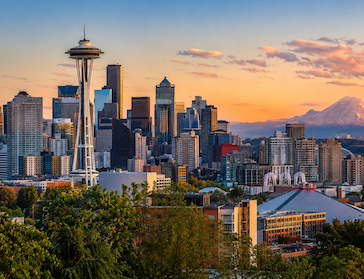
Seattle, Washington, USA
Seattle is a city where water, mountains, forests, and contemporary urban culture come together to create one of the most distinctive destinations on the Pacific Coast. [read more.]
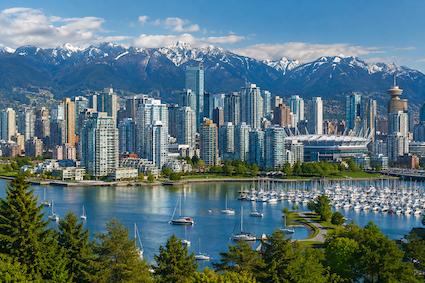
Vancouver, British Columbia, Canada
Vancouver is a city where dramatic natural landscapes and sophisticated urban life exist side by side. Located between the Pacific Ocean and the Coast Mountains in Brit [read more.]
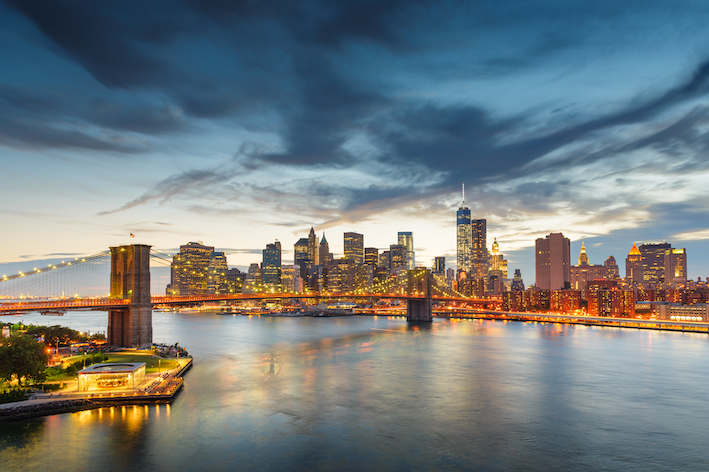
New York City, New York, United States
If there is one city that symbolizes the energy, ambition, and diversity of the modern world, it is New York City. Home to more than eight million people representing h [read more.]
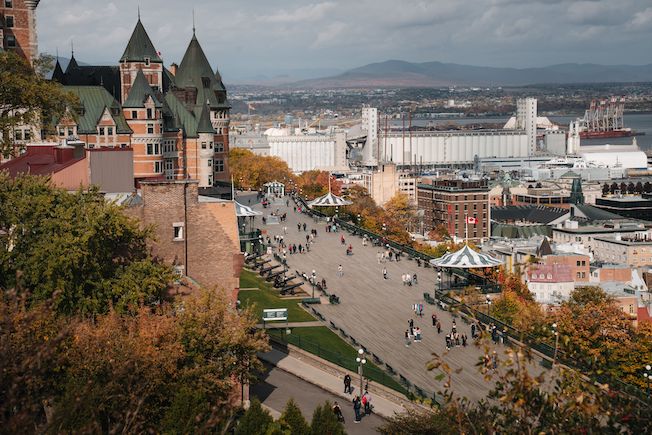
Québec City, Canada
If there is one city in North America that feels unmistakably European, it is Québec City. Perched above the St. Lawrence River, the provincial capital of Québec capt [read more.]
To see more Waypoints in North America, please become a member here.
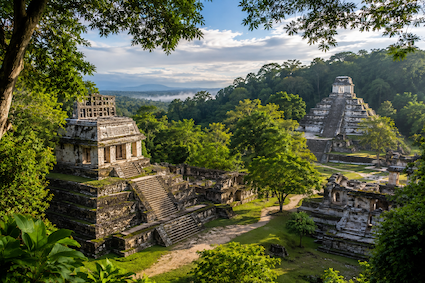
Palenque, Chiapas, Mexico
Palenque is one of Mexico's most fascinating archaeological destinations, not only because of the importance of its monuments but also because of the way the ancient [read more.]
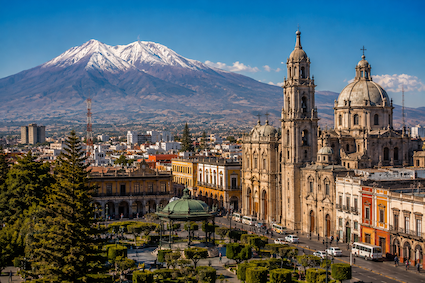
Toluca, México
Toluca is a high-altitude city where Mexico's colonial heritage, Indigenous traditions, contemporary culture, and dramatic volcanic landscapes come together. Located [read more.]
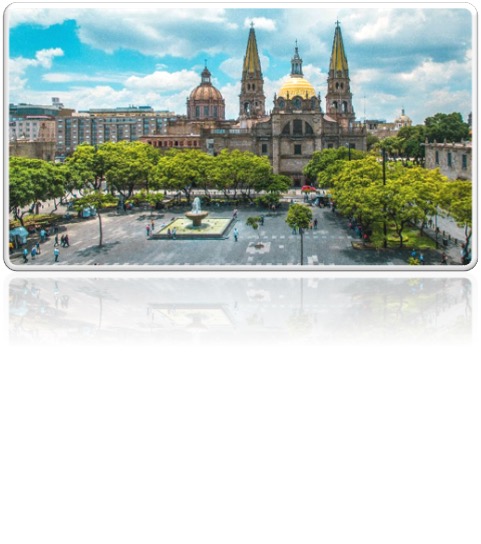
Guadalajara, Mexico
Guadalajara, the capital of the state of Jalisco, is one of Mexico’s most important cities for its history, culture, and economic dynamism. Officially founded on Febr [read more.]
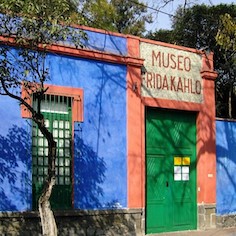
The Frida Kahlo Museum
The Frida Kahlo Museum, known worldwide as the Blue House, is located in the heart of Coyoacán, one of Mexico City’s oldest and most culturally rich neighborhoods. B [read more.]
To see more Waypoints in Central America, please become a member here.
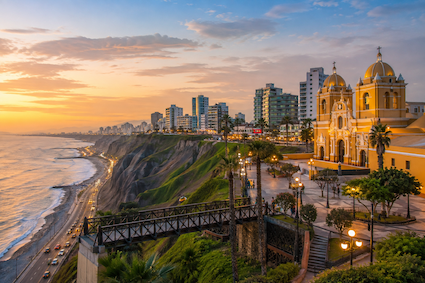
Lima, Perú
Lima is a city where Peru's ancient civilizations, colonial history, Pacific coastline, and contemporary creativity converge. Set along dramatic coastal cliffs overlo [read more.]
Santiago, Chile
Santiago is a city defined by contrasts: a sophisticated modern capital surrounded by the dramatic peaks of the Andes, a historic center shaped by centuries of Chilean [read more.]
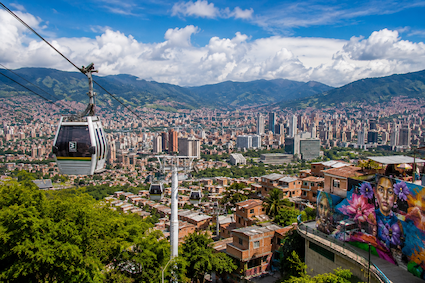
Medellín, Colombia
Medellín is a city shaped by mountains, creativity, resilience, and a remarkably pleasant climate. Set within the Aburrá Valley of Antioquia, Colombia's second-larg [read more.]
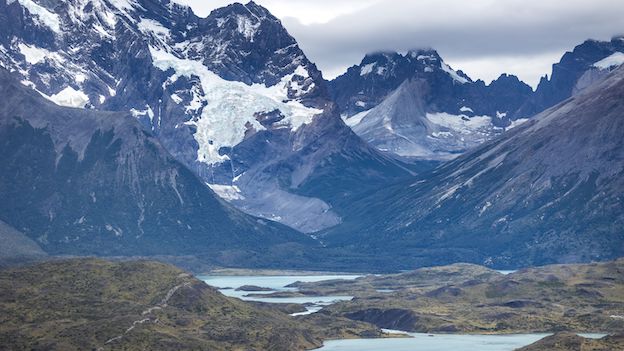
Patagonia, Argentina & Chile
If there is one destination that captures the true spirit of adventure, it is Patagonia. Stretching across southern Argentina and Chile for more than one million square [read more.]
To see more Waypoints in South America, please become a member here.
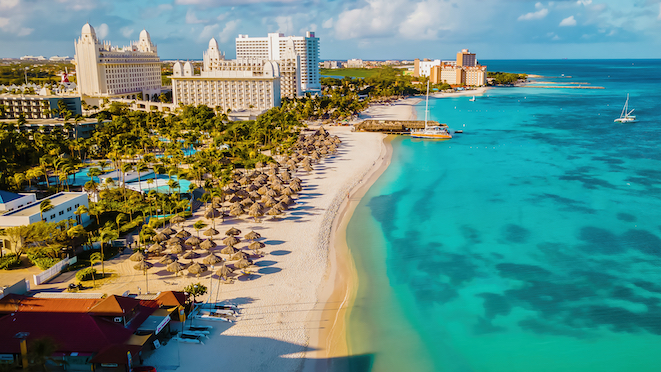
The Bahamas
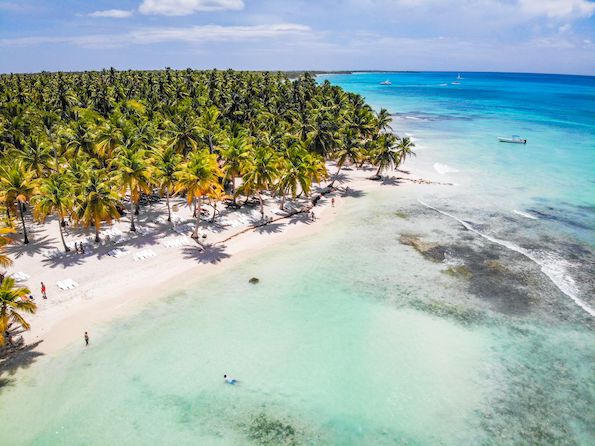
Dominican Republic
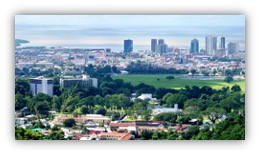
Port of Spain, Trinidad and Tobago
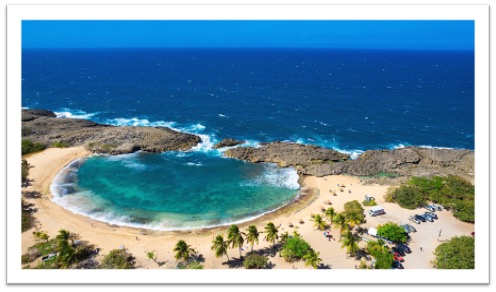
Puerto Rico
To see more Waypoints in The Caribbean, please become a member here.

|
Waypoint Finder (Over 1,000 destinations in PanAmerica) |
|---|

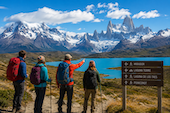

Nature
Tours that connect us with nature.
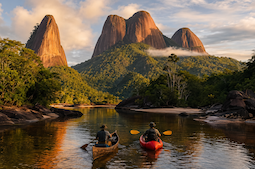
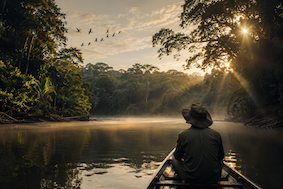
Explore the Tambopata Amazon Reserve
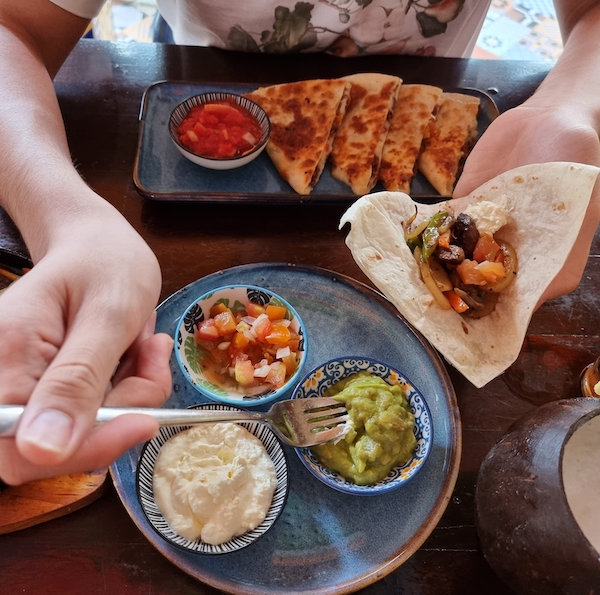
Food & Culture
What's coming up of interest to tourism specialists in Pan America.
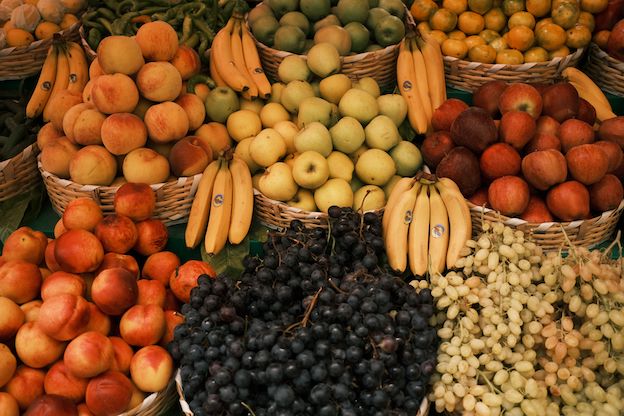
Real City Tours – Exotic Fruits Tour in Medellín, Colombia
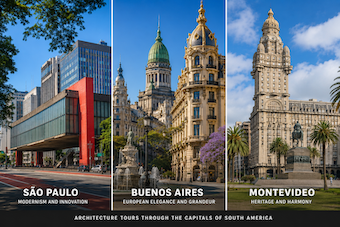
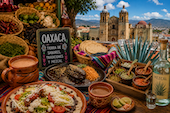
Oaxaca Food & Culture Tour – A Culinary Journey Through Mexico’s Indigenous Flavors
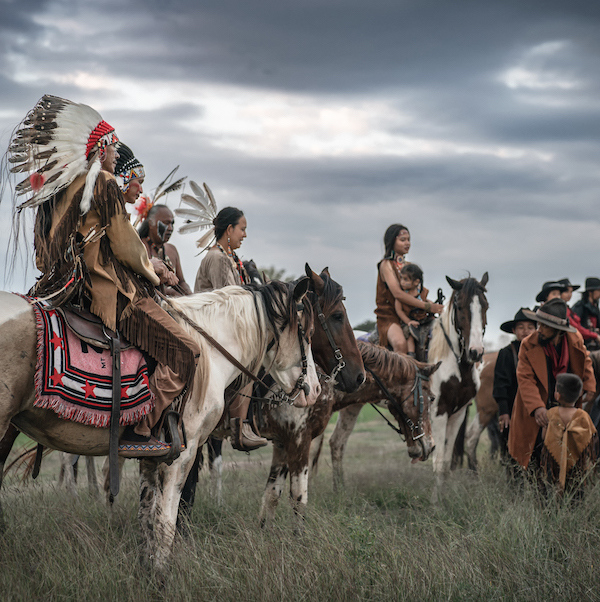
Indigenous Tours
Fashion, romance and wellness for travelers seeking confidence and style.
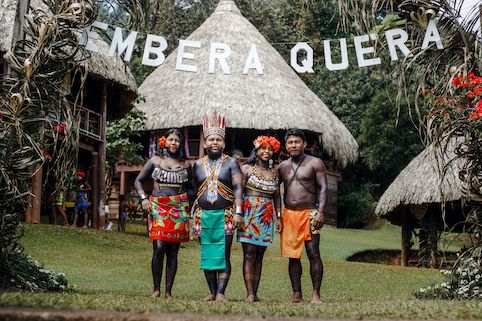
Experience the Emberá of the Darién – On the Only Expedition Operated by An Indigenous Community
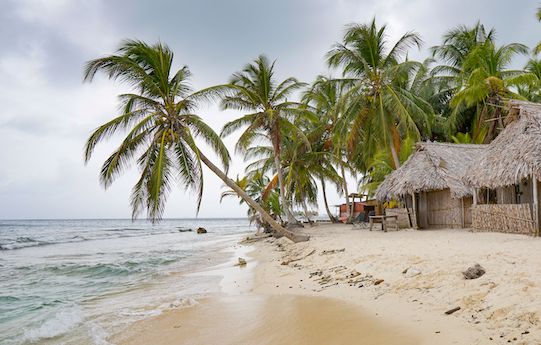
Indigenous Cultural Tour Guna Yala – Discover the Exotic San Blas Islands
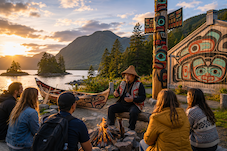
Indigenous Canada Tour – Explore First Nations, Inuit And Métis Cultures
Outdoor Sports
Fashion, romance and wellness for travelers seeking confidence and style.
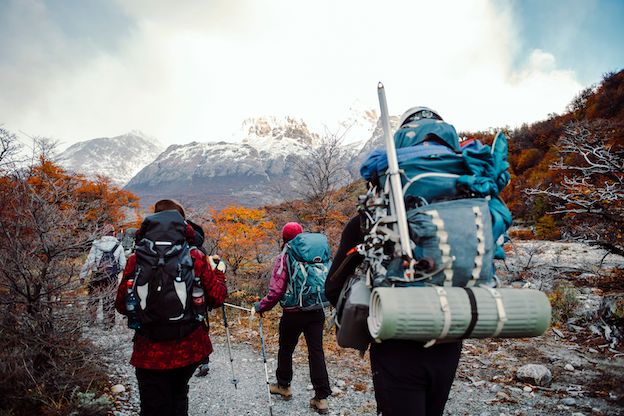
North Patagonia Ice Field Expedition Tour In Chile